








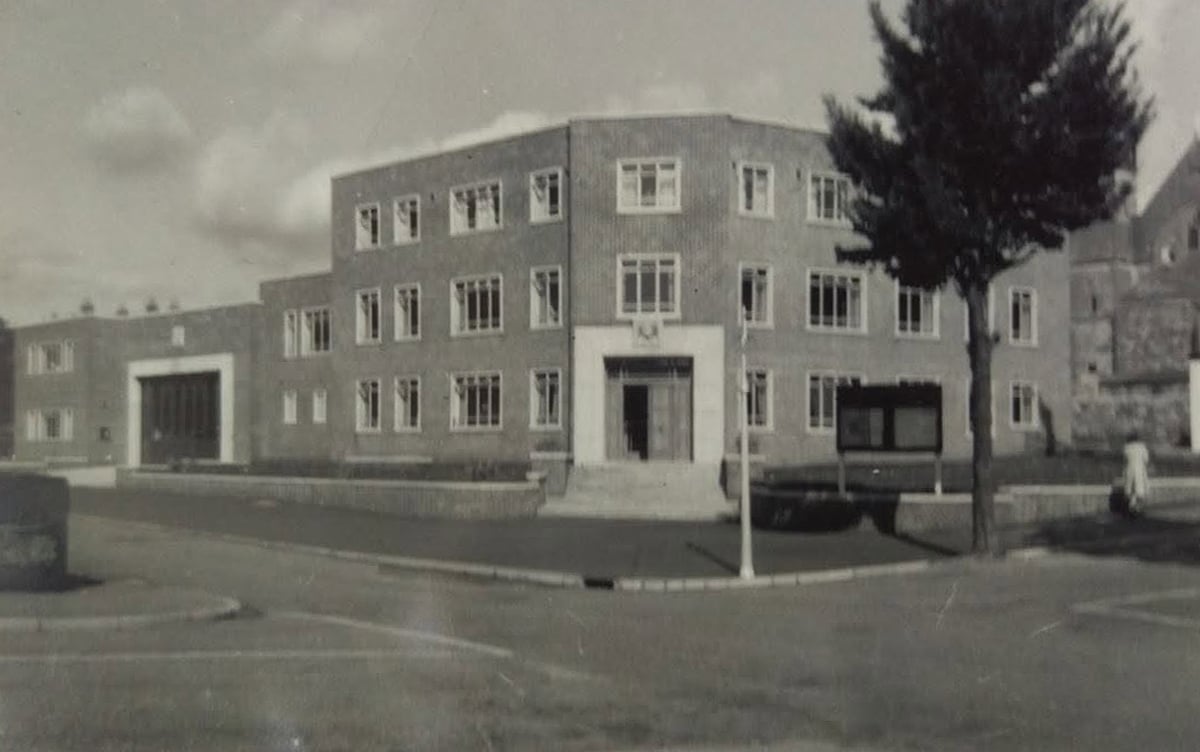







































The Isle of Wight has always had a changing landscape. In recent years, the entertainment offerings at its seaside attractions have evolved rapidly, and this has been more noticeable than ever. One building missed by many is the Rivoli Picture House, a gem of an Art Deco building. But what did happen to it, and why did it have such a special place in people’s hearts?
The Opening of the Rivoli
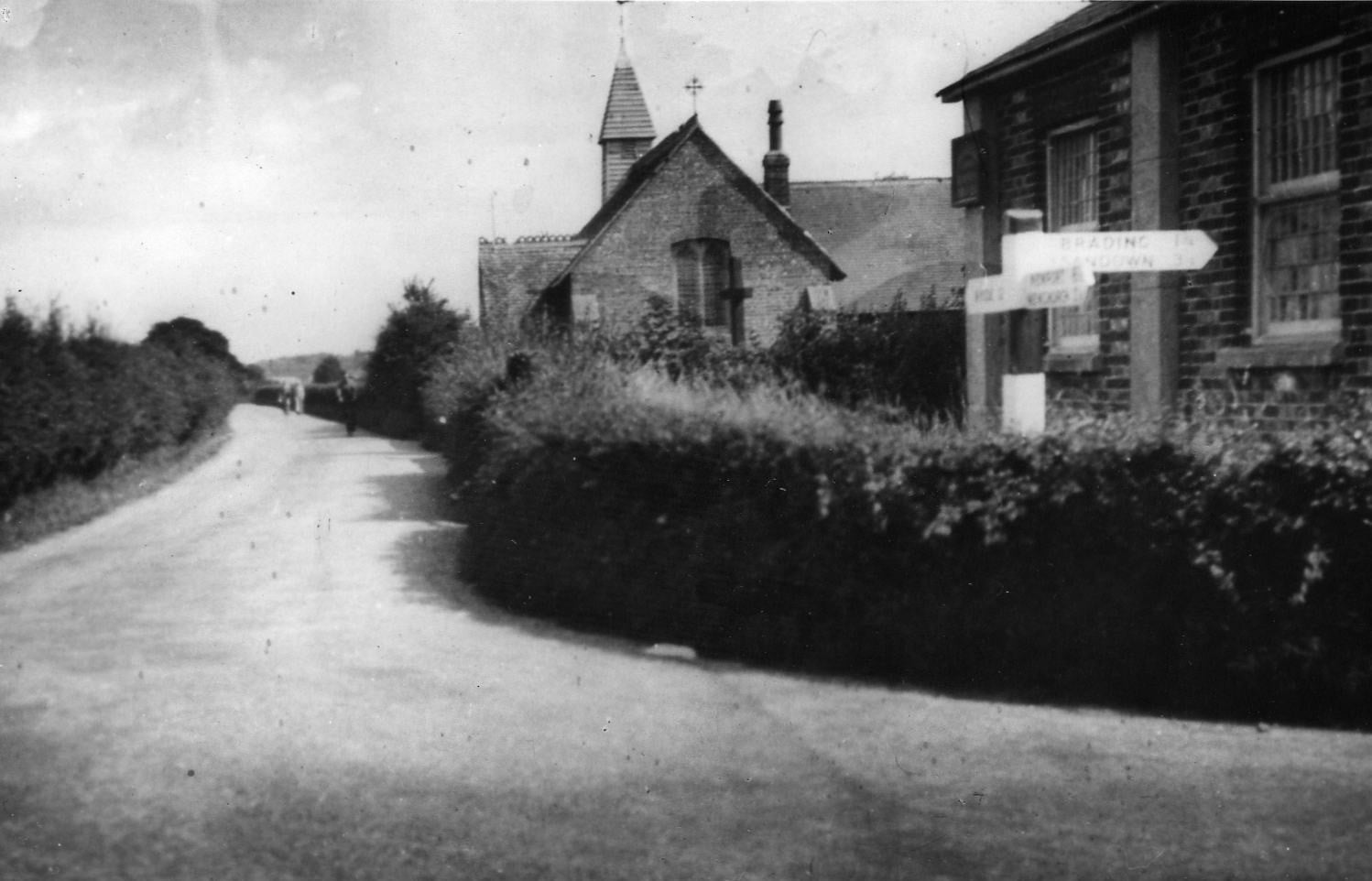
The Rivoli was constructed in 1885 and was originally an Oddfellows Hall. This was a philanthropic group that promoted ideas of charity. By 1921, it had entered the age of the silent movie and was converted into a cinema.
This became its golden era, seating 400 spectators in the stalls and 100 more in the circle. On opening night, it showed the film His Majesty the King, a black and white short about a baby who takes the throne. In 1937, a new façade was added, which gave it its characteristic appearance that many know and love.


The Age of Television
By 1961, these grand cinema complexes suffered the same fate as many around the country in the post-war period: the television. With people no longer needing to venture out, they became obsolete. Luckily, a more sociable pastime was gaining popularity, which went by the name of bingo.
It was a shame the building could not have held out for ten years more. A recent explosion in the popularity of bingo has brought it a renaissance, one that could have kept its doors open. This has been stimulated by the ability to play bingo online, which has allowed people the convenience of taking part and learning how to play the game on a device. As people now have different cash games at hand, they have moved into halls which have become hybrid entertainment venues.
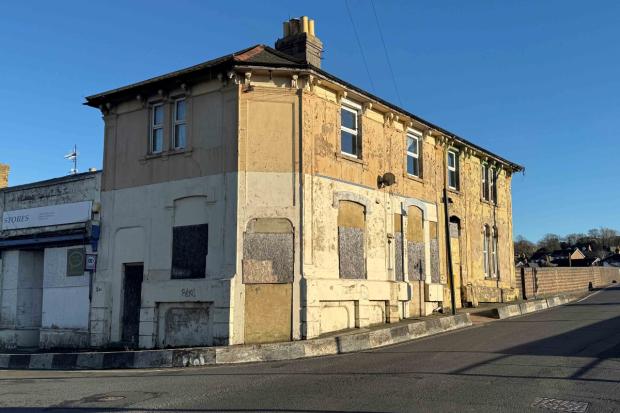
Yet it was not to be, and by 1993, the building was old and crumbling. The bingo businesses left it, and it became a warehouse for theatrical outfits. By 2012, it was totally in disuse and was awaiting a buyer.
Attempts to Restore the Rivoli

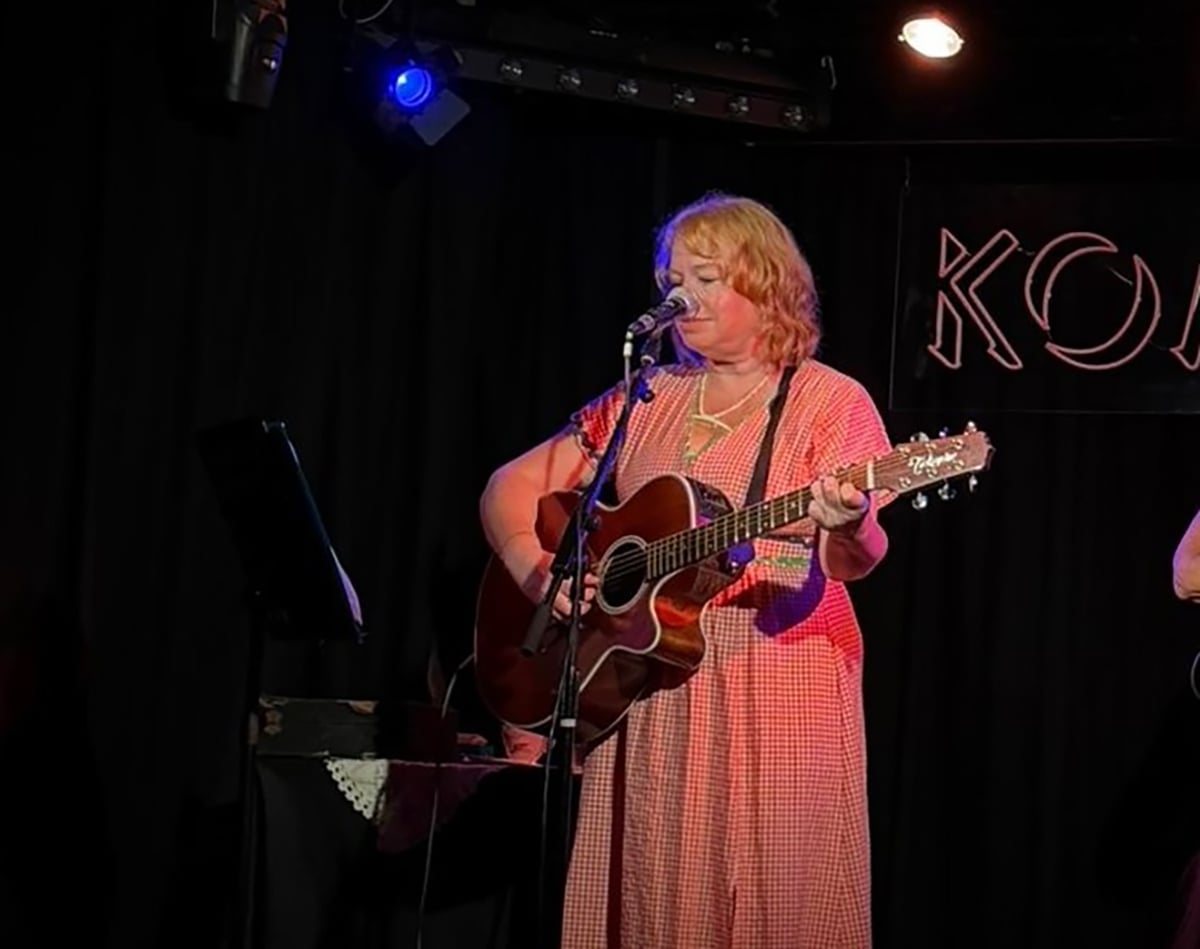
Plans then arose to restore the cinema to its former glory. A crowdfunding campaign began that would aim to raise £250,000. Many events were put on to try and reach this total, including musical nights.

The Isle of Wight Film Festival became heavily involved, helping out and organising the fundraising. Spearheaded by its director, Bruce Webb, the plan was to sell personalised seats and season tickets to raise the funds. He even discussed selling his own property to fund it.
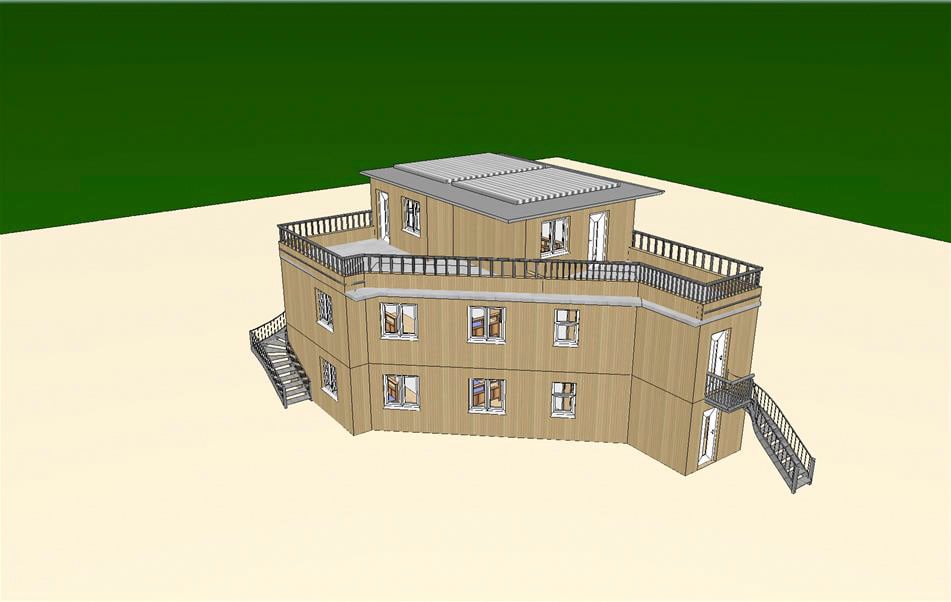
A huge amount of effort went into the campaign, but it was not to be, and it ended up around £100,000 short. Isle of Wight Councillors then approved a plan to replace it with several new homes. Its structural integrity was a main factor in this decision, with dangerously large cracks appearing in the walls.
Many buildings of this type are now being repurposed as live entertainment venues, or even have bingo moving back into them. It is a shame the Rivoli did not hold out, and it will go down as a footnote in the architectural history of the Isle of Wight.