



























































Jewellery has long been an expression of personal style, identity, and meaningful moments. But as awareness of environmental issues grows, both consumers and creators are increasingly focusing on how to reduce their impact on the planet. Companies like Roman Tavast, which specialise in bespoke corporate jewellery and decorations, have embraced this shift by incorporating sustainable practices into their design and production.
The jewellery industry, traditionally known for its heavy environmental footprint, is undergoing a transformation. Custom jewellery, in particular, has become a beacon of sustainable craftsmanship.
The Environmental Impact of Traditional Jewellery
Before diving into the evolution of sustainable practices, it’s essential to understand the traditional impact jewellery production has on the environment. Mining for precious metals and gems can cause deforestation, water pollution, and loss of biodiversity.


Furthermore, energy-intensive refining processes and transportation add to the industry’s carbon footprint. In recent years, the rising demand for ethically sourced materials and environmentally conscious production methods has prompted jewellers to rethink their approach.
Mining and Its Consequences
Mining operations are notorious for their environmental toll. For instance:
- Water contamination: Mining processes often lead to the release of harmful chemicals like cyanide and mercury into water systems.
- Deforestation: Large-scale mining operations clear vast areas of land, disrupting ecosystems and wildlife habitats.
- Carbon emissions: The heavy machinery used in mining consumes a significant amount of energy, contributing to greenhouse gas emissions.
The Rise of Eco-Friendly Practices in Custom Jewellery
As consumer preferences shift toward sustainability, jewellers have begun to adopt innovative, eco-friendly practices that preserve the craftsmanship of bespoke jewellery without harming the planet. These practices can be grouped into several key areas: material sourcing, manufacturing processes, and the ethical treatment of workers.
1. Sustainable Material Sourcing
One of the most significant shifts in custom jewellery is the use of sustainable materials. This includes recycled metals, lab-grown gems, and ethically sourced stones.
Recycled Metals
Recycled metals are melted down and refined to create new pieces, without compromising on quality or aesthetic appeal. Many custom jewellers are now sourcing metals from suppliers that specialise in recycled materials.

Lab-Grown Gemstones
Lab-grown diamonds and gemstones are becoming increasingly popular for custom designs. These stones are chemically and physically identical to their mined counterparts but are created in controlled environments. This process eliminates the environmental damage associated with traditional mining while maintaining the brilliance and durability that customers expect.
Ethically Sourced Stones
For customers who prefer natural stones, ethically sourced gems offer an alternative. These stones come from mines that prioritise fair labour practices and minimise environmental harm. Although these stones are more expensive, their growing popularity reflects the increasing demand for ethical transparency in the jewellery industry.
2. Eco-Friendly Manufacturing Processes
In addition to using sustainable materials, many jewellers are adopting eco-friendly production methods that minimise waste and energy consumption. These include:
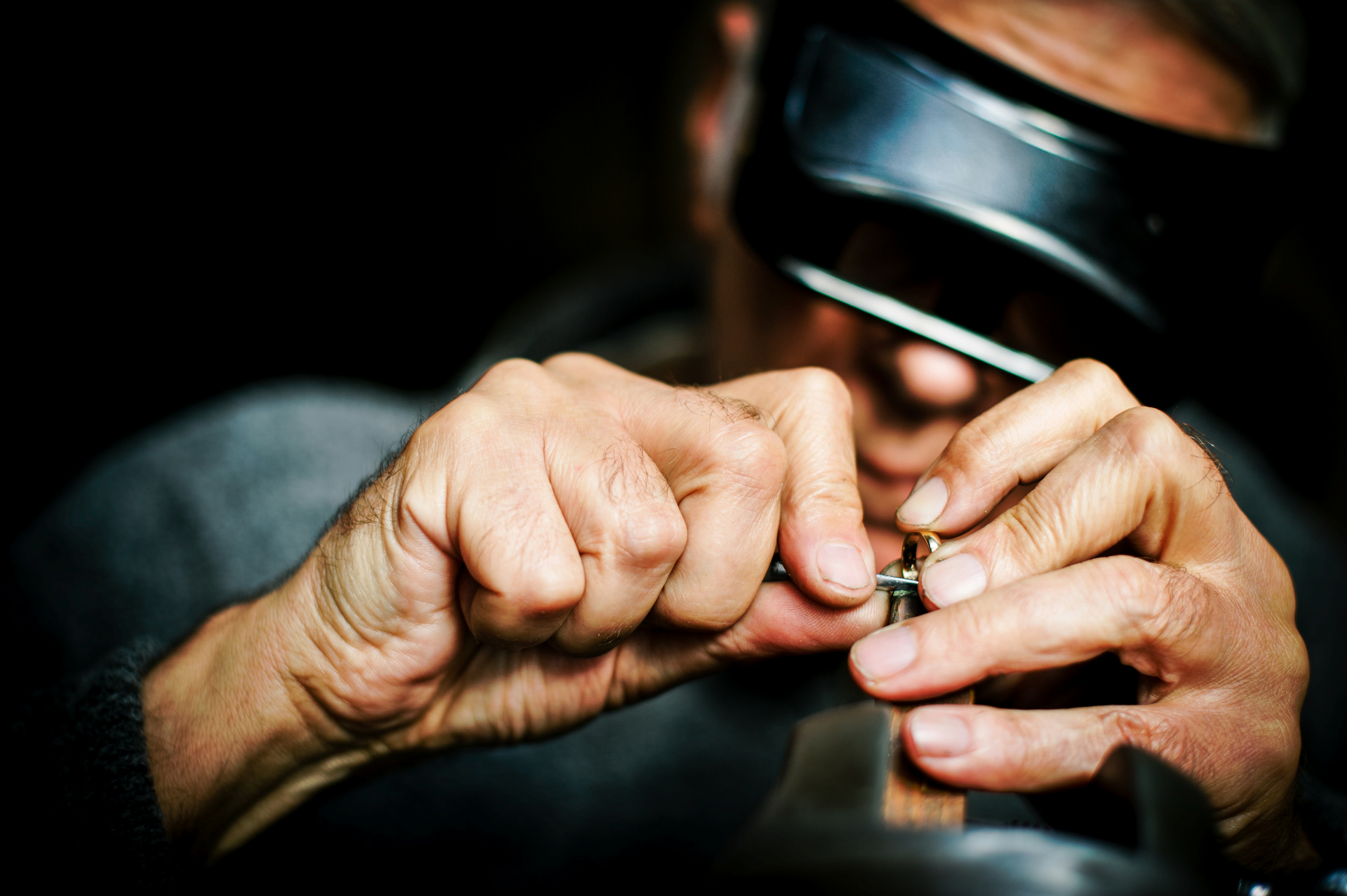
- Handcrafted techniques: Small-scale, handcrafted jewellery production generally uses fewer resources than mass-produced items. Artisans are able to control every aspect of the design process, ensuring minimal waste of materials.
- 3D printing technology: In recent years, 3D printing has revolutionised jewellery making. By allowing jewellers to create intricate designs with pinpoint precision, 3D printing reduces material waste and the need for harmful chemicals.
- Water recycling systems: In workshops where water is used for cutting and shaping stones, closed-loop systems can recycle the water, dramatically reducing overall consumption.
3. Ethical Labor Practices
Sustainability in jewellery isn’t just about environmental impact—it’s also about ethical labour practices. Custom jewellers who prioritise eco-friendly practices often work closely with suppliers who ensure fair wages and safe working conditions for their employees. This holistic approach ensures that the entire production chain is responsible and fair, not just environmentally friendly.
The Shift Toward Conscious Consumerism
Today’s consumers are more informed and aware of the consequences of their purchases. Many seek jewellery that reflects their values, particularly when it comes to sustainability. Custom jewellery allows buyers to make informed decisions about the origins of their pieces and the processes used to create them.
The Appeal of Custom Jewellery for the Eco-Conscious Buyer
Custom jewellery holds a unique place in the sustainable market for several reasons:
- Personalization: Every piece is designed with the individual in mind, which creates a deeper connection between the buyer and the item. This personalised approach tends to encourage thoughtful purchases, as buyers are more likely to cherish and preserve their jewellery.
- Smaller production scale: Unlike mass-produced jewellery, custom pieces are often made in smaller workshops with more attention to detail, which naturally leads to less environmental waste.
- Transparency: Custom jewellers often work closely with their clients, discussing where materials are sourced, how they are processed, and the overall environmental impact. This level of transparency fosters trust and reinforces sustainable choices.
The Longevity Factor
Another factor contributing to the sustainability of custom jewellery is its longevity. Unlike fast fashion pieces, which are often discarded after a few seasons, custom jewellery is typically designed with timelessness in mind. A well-made, thoughtfully designed piece can last a lifetime and even be passed down through generations, reducing the need for constant production and consumption.

Balancing Tradition and Innovation
Custom jewellers are finding ways to integrate new technologies like 3D printing and blockchain while preserving the artistry and personal touch that has always defined their work.
Traditional Craftsmanship in a New Light
Many custom jewellers still use age-old techniques such as hand-setting stones or creating wax models. These methods, when combined with eco-friendly practices, result in pieces that are both artisanal and sustainable. The slow, meticulous nature of handcrafting jewellery aligns perfectly with the principles of sustainability, emphasising quality over quantity.
Innovation at the Forefront
Innovations like lab-grown gemstones and 3D printing aren’t just about reducing environmental impact—they also open up new creative possibilities for jewellers. With lab-grown diamonds, jewellers can offer clients a wider variety of sizes and colours, while 3D printing allows for complex, bespoke designs that would be difficult to achieve by hand.
A New Era of Jewellery
The custom jewellery industry is embracing a sustainable future, with artisans and innovators working together to reduce environmental impact without compromising on quality or beauty. As eco-conscious consumers continue to prioritise sustainability in their purchasing decisions, the shift towards eco materials, ethical practices, and innovative technologies will only become more pronounced.