































A controversial development in Niton — which led to the Isle of Wight Council being heavily criticised by a national watchdog — has been refused, despite being partially built.
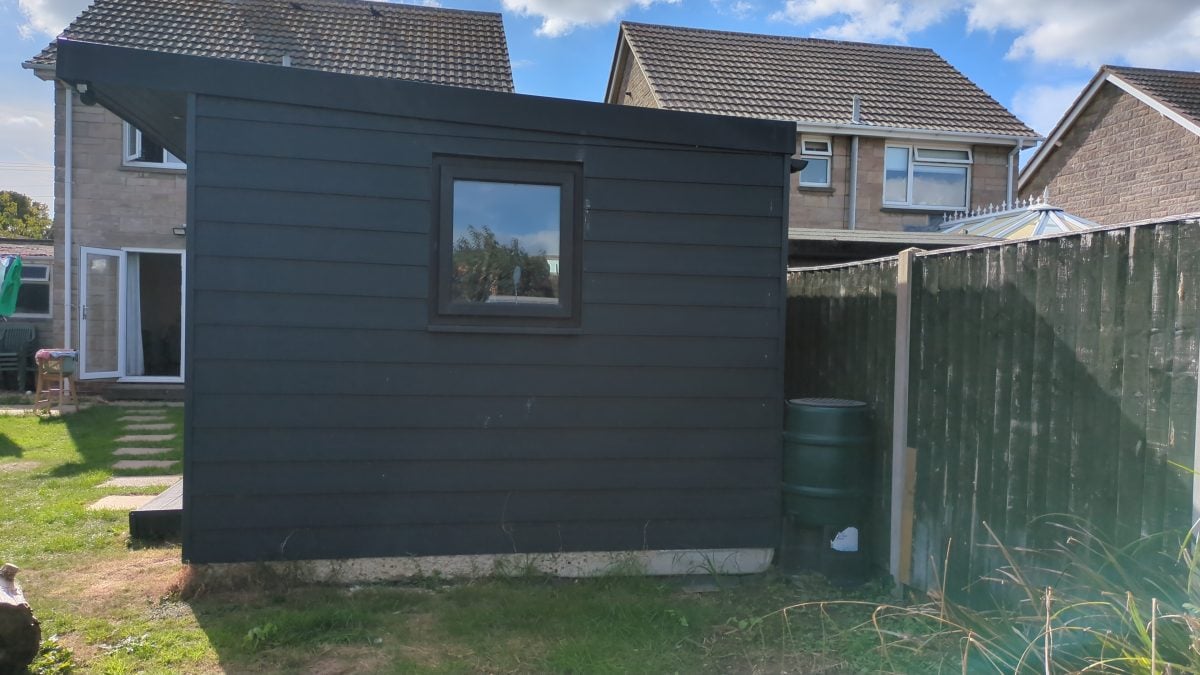
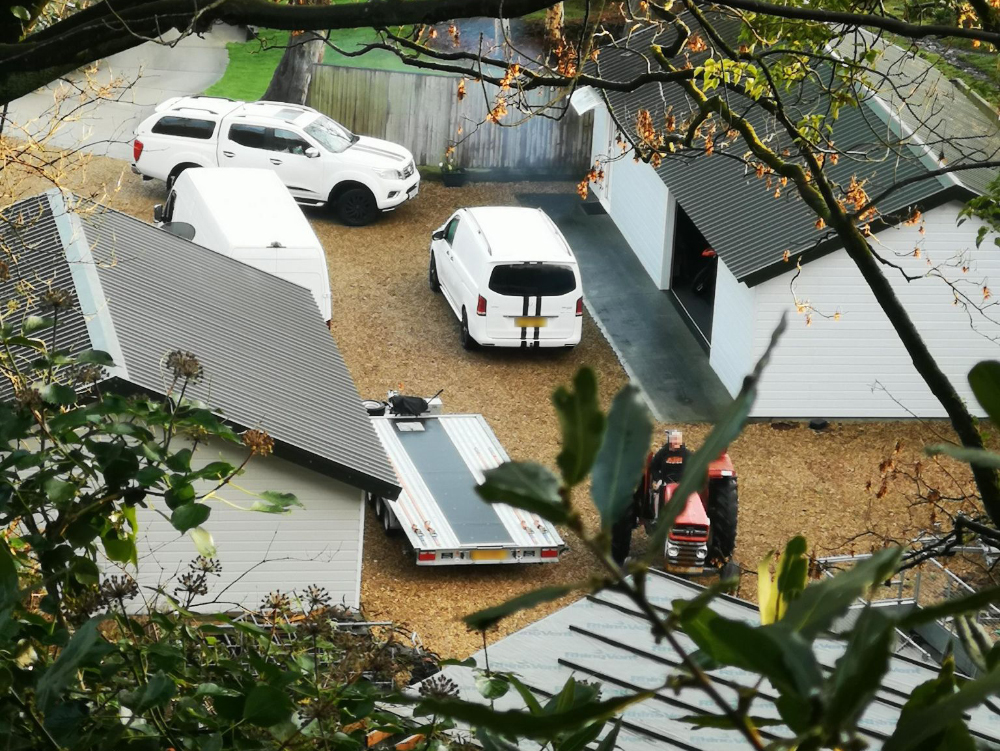
Retrospective planning permission had been sought by Martin Cotton at Bridge Cottage for the retention and completion of 2 garages for domestic purposes — 1 built in 2019 and the other started in 2021.
The application was originally submitted in October 2020, revised in April 2021, and finally determined earlier this week by the Isle of Wight Council after the authority carried out investigations.


The site, on the edge of Niton, is part of the Area of Outstanding Natural Beauty (AONB), Site of Special Scientific Interest (SSSI) and Special Area of Conservation (SAC), and council planning officers decided the ‘large garage structures’ would result in a ‘significantly harmful impact’ on the landscape character.
Due to the nature of the area, planning policies say there has to be a specific local need for development.
The council, however, said it was not clear why such large, and numerous, outbuildings were required at Bridge Cottage.
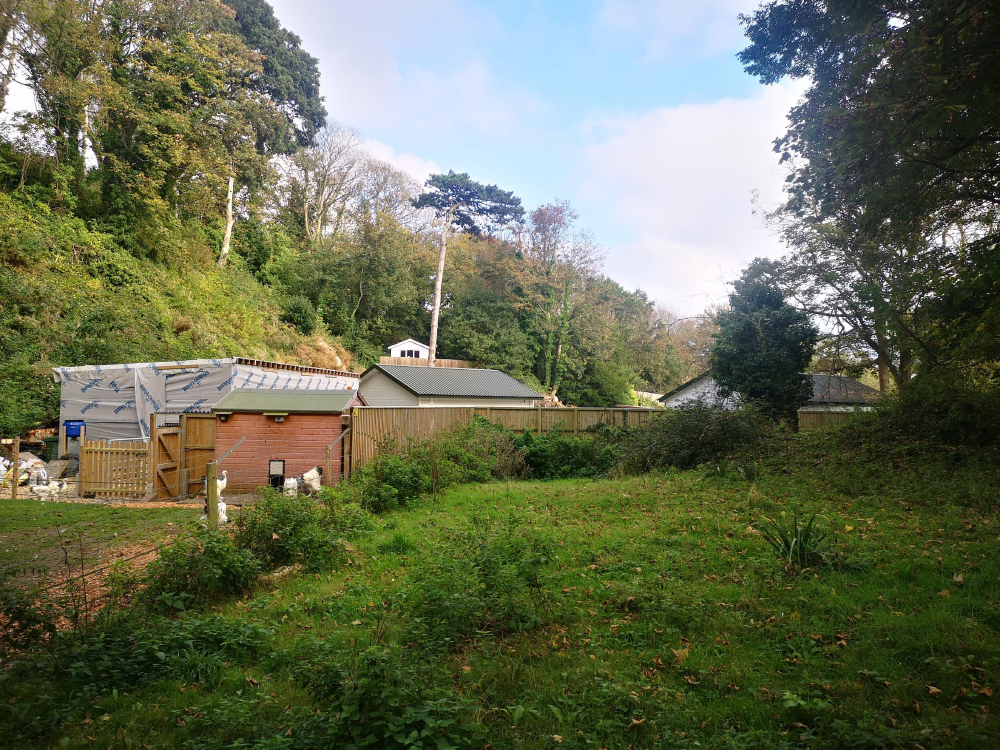
Asking the planning agent, Norman White, for clarification, officers were told they were to house a significant collection of classic cars and motorbikes. Officers said they noted the hobby but the outbuildings would alter the character of the grounds surrounding the cottage from domestic to commercial or industrial use.
The design and finish of the garages, they said, appear commercial in nature causing the site to appear out of place, being of ‘excessive size and scale’.
The argument put forward by Mr White for the outbuildings, the council said, did not outweigh the harm they would cause.
Officer determined the garages would also fail to protect or enhance the special qualities of the AONB, appearing as urban and incongruous features in their surroundings, and result in a significant adverse effect on the SAC and SSSI.
Officers also said there was inadequate information in respect of the impact on protected trees and ground stability and in the absence of sufficient information, the proposed development would be likely to result in harmful impacts to the protected species and habitats.
Mr Cotton is able to appeal the decision made by the council, to the government’s Planning Inspectorate, otherwise the structures may have to come down.
A complaint about the council’s planning considerations of all development at Bridge Cottage was made by a concerned resident to the Local Government and Social Care Ombudsman (LGSCO), leading to an investigation launched at the end of 2020.
The watchdog determined the council had committed errors and given wrong advice resulting in more development than might otherwise have occurred.
An LGSCO inspector said the council’s failure to properly assess development as part of protected sites was significant. They said:
“If we cannot rely on the council as the local planning authority to be aware of the position and importance of protected land, then it is a matter of serious concern … to ensure that it remains undisturbed.”
The Isle of Wight Council has since apologised for the mistakes it made and accepted the ombudsman’s findings.
The authority has agreed to review its procedures, already undertaken officer training and pay £300 in compensation to a charity of the complainant’s choice.









The ONLY time planning acts as it should is on small scale developments such as this.
Large scale ruination is allowed, despite causing more issues, because large scale means large life changing sums of money, with enough profits for developers to send larger ‘thank you’ cards to those who matter.
Do you honestly think, with huge sums of money at stake as there is in granting permission for cheap farm land into millions of pounds worth of building land, that corruption could never be an issue?
Unfortunately there will always be pressure on farmland to build houses not only on the Island but in the whole of the UK. As the population of the Island grows and people want to move here there is pressure to build more housing, I do not see how it can be stopped, as much as I hate to see greenfield development where else do we build them. If we manage to stop one greenfield development they will only build on another. There will come a point (not in my lifetime) that there will be no working farms on the island just land allocated for housing. Unfortunately it is a sad fact
Well done to the complainant. Most people probably would of thrown in the towel. All organisations must be held accountable for their action (or lack of it).
Strange isn’t?
This gets declined, BUT, when a Councillor ‘accidentally’ builds stables much larger and in a different place to the plans, plus other ‘errors’, the transgressions are permitted by the Planning Department!
Just saying…
yes yes yes you are 100% correct. I wonder if Clair mosdell had anything to do with the refusal
Given what’s going on in the world and COVID etc what harm has this guy done,public money should be spent on priorities and life saving etc, cover buildings in camouflage neeting – job done.
criticised by a national watchdog stops the council in there tracks BUT the people who live on the island are ignored. Just shows that the chain mean nothing to that lot.
Shame the Penny Feathers development can’t be turned around and refused! 904 homes is way too many to be built in Ryde.
The retrospective planning fiasco should not be an option in planning. If you can afford to develop your land you can therefore spend the money and time to apply for planning! The planning department are not only there for official purposes they are there with bags of advise, so why not use them before risking a whole lot of aggravation.
No confidence in this council, if I made the mistakes they do I’d be out of work