


















































Isle of Wight NHS Trust has launched a digital project that is transforming how pressure injuries are recorded, reviewed and treated across hospital wards, improving patient safety while saving valuable clinical time.
Through close collaboration between ward teams, IT, Pharmacy and the Prevention of Avoidable Harm Council, every ward now has access to a secure iPad which allow staff to photograph pressure injuries (Category 2 and above) and attach them directly to patient records and incident reports.
Previously, wards did not have the technology to capture clinical images, meaning specialist teams often had to visit in person to assess wounds. With a small Tissue Viability team, this could delay reviews. The new system provides instant visual information, enabling faster expert input and more accurate documentation.


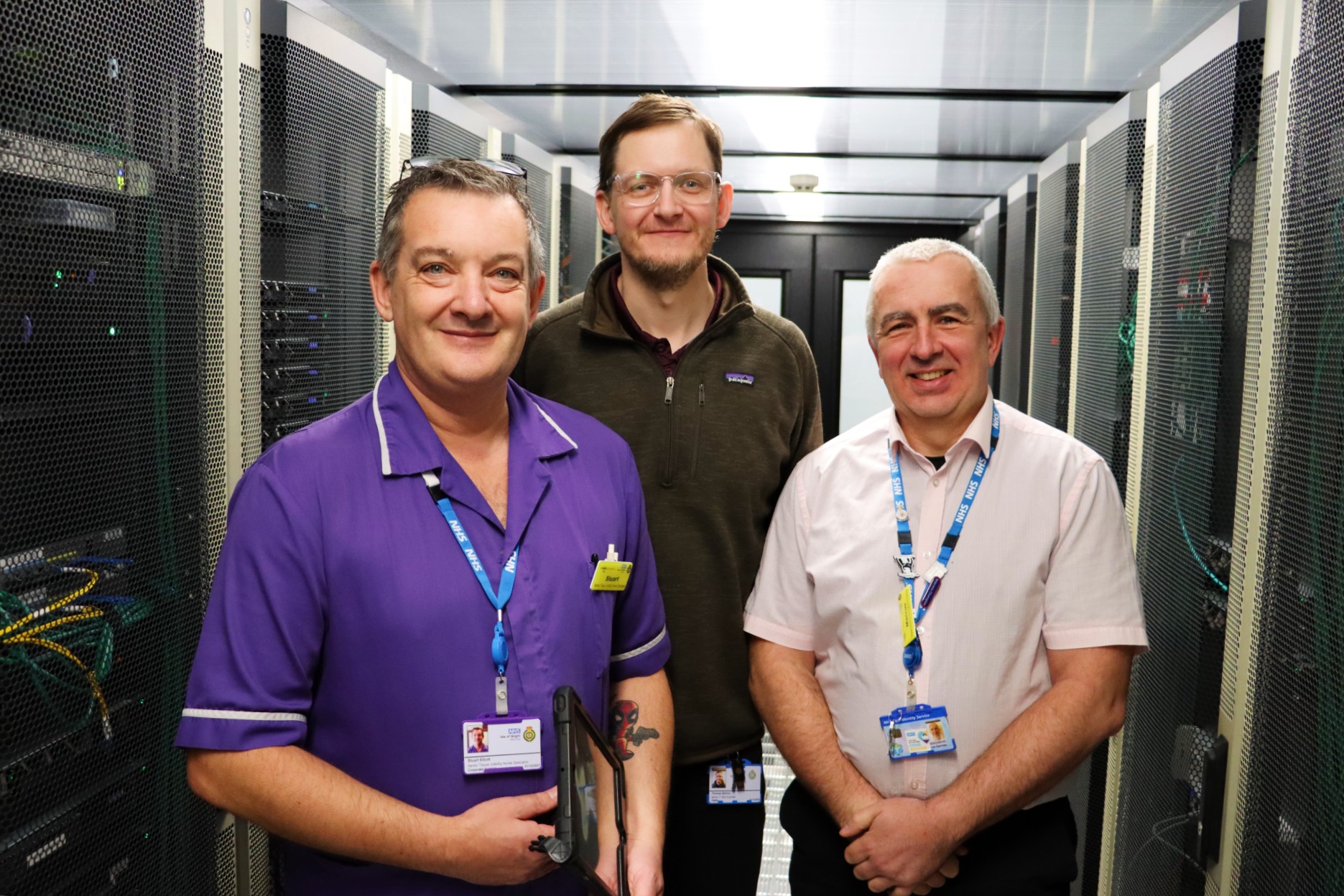
Senior Tissue Viability Nurse, Stuart Elliott, said:
“As a small team, we simply couldn’t review every pressure injury in person, and it took time. This has transformed how quickly and effectively we can review wounds and improve patient safety.”
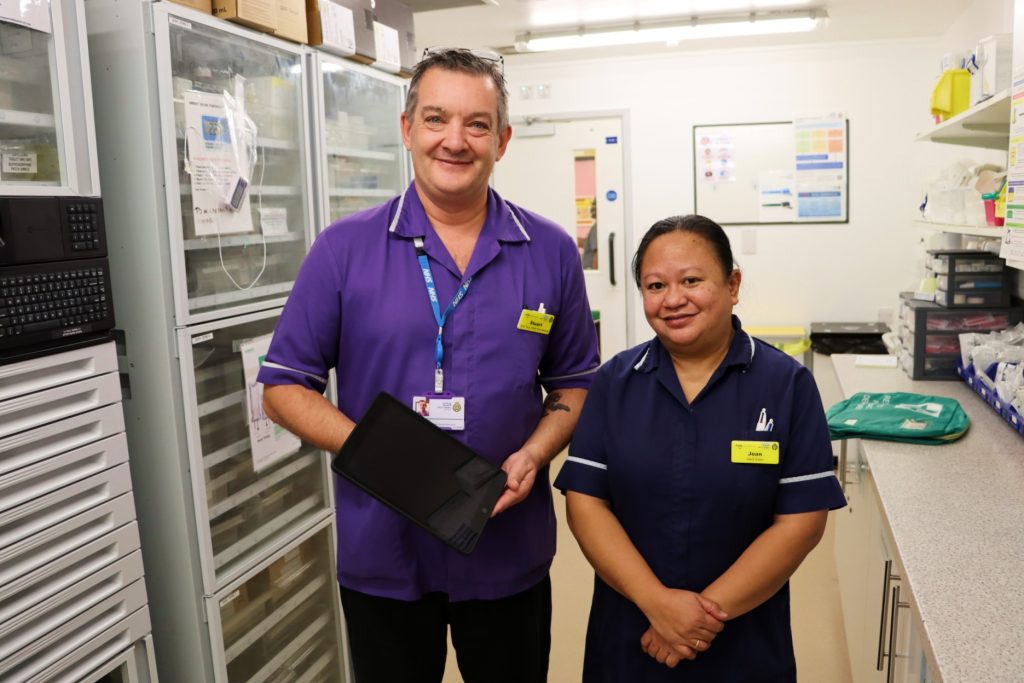
Images are shared securely through a digital platform and are automatically deleted after use, ensuring both data security and sustainability.
The impact is already clear. In July, 0% of Category 2+ pressure injuries were recorded due to the lack of technology. Today, over 30% are captured, with a target of 80% by the end of the financial year.
Ward Sister at Colwell Ward, Joan Pedrozo, said:

“This allows us to easily record and photograph pressure and tissue injuries and send them straight to the specialist teams. It’s much faster, more efficient and very easy to use, it makes a real difference on the ward.”
From idea to delivery in under a year, this collaborative initiative is a powerful example of how digital innovation can enhance patient care, reduce risk and support frontline teams to deliver safer, faster treatment.










Why are there so many patients with pressure sores !!!!!
If a patient is nursed properly this should not happen very often.
Lack of care is the problem, too many nurses are
shirking.
And when AI really kicks in, the NHS can lay off staff.
They won’t be needed.
I worked at St Mary’s and Stuart is a lovely guy. Well done.
Pressure sores shouldn’t occur if nursed properly. Can care homes where there’s lots of bed ridden, some bad care and pressure sores have access to this system.
Lack of care is the problem, too many nurses are
shirking, especially since the pandemic.
Can the technology answer the phone when calling the hospital?
Lazyitus is the problem, no cure for such symptoms.