








































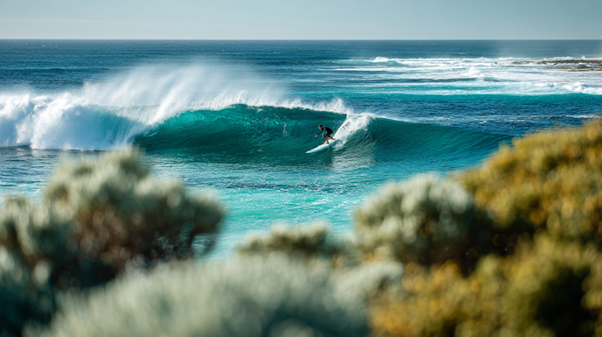

Morocco’s Atlantic coastline offers some of the world’s most consistent and diverse surfing conditions, transforming from a hidden gem into a globally recognised surf destination. With over 1,800 kilometres of coastline facing the Atlantic Ocean, Morocco provides year-round waves suitable for every skill level, from gentle beach breaks perfect for beginners to powerful point breaks that challenge even the most experienced surfers.
The country’s unique geographical position creates ideal surfing conditions throughout most of the year. Trade winds, Atlantic swells, and Morocco’s varied coastal topography combine to produce reliable surf that has attracted wave riders from across Europe and beyond. For those seeking an authentic surfing experience combined with rich cultural immersion, choosing a surf camp Morocco offers the perfect blend of adventure, community, and local expertise to maximise your time in the water.
Discovering Morocco’s Surfing Paradise
Morocco’s surf culture has transformed sleepy fishing villages into vibrant surf communities whilst maintaining authentic character. The Atlantic coast delivers consistent waves year-round, with prime conditions from September through April when North Atlantic storms generate legendary swells.


What sets Morocco apart is incredible wave consistency. While European spots might go flat for weeks, Morocco’s position ensures rideable waves are almost always available somewhere along the coast. Local surf guides possess intimate knowledge of wave patterns and hidden spots, proving invaluable for maximising your time in the water.
According to UN Tourism data, Morocco welcomed 17.4 million international tourists in 2024, representing a 20% increase from 2023 and making it Africa’s most-visited destination. The country’s surf tourism sector has contributed significantly to this growth, with coastal regions like Taghazout Bay becoming increasingly popular among international wave riders.
Key Morocco Surf Advantages:
- Consistent year-round swells from Atlantic storms
- Warm water temperatures requiring minimal wetsuit protection
- Diverse wave types from gentle beach breaks to challenging point breaks
- Affordable costs compared to European destinations
- Rich cultural experiences beyond surfing
Top Surf Regions Along Morocco’s Coast
Morocco’s premier surf region centres around Taghazout Bay, approximately 19 kilometres north of Agadir. This area hosts an impressive collection of world-class surf breaks within a relatively compact stretch of coastline, making it the logical base for most surfing adventures in Morocco.
Taghazout village serves as the epicentre of Moroccan surf culture, offering everything from budget-friendly accommodation to professional surf coaching. The village’s transformation from a traditional fishing community to a surf destination exemplifies Morocco’s ability to embrace tourism whilst preserving cultural authenticity.

The bay features several distinct surf breaks, each with unique characteristics. Anchor Point stands out as Morocco’s most famous wave, a right-hand point break that can produce rides exceeding 300 metres during optimal conditions. Hash Point offers another right-hand option with slightly less intensity, making it more accessible to intermediate surfers.
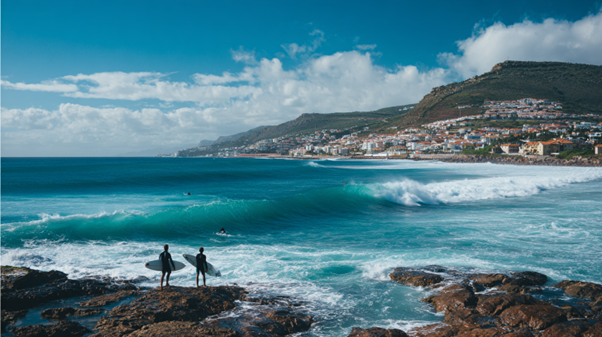
Taghazout Bay and Surroundings
The concentration of world-class surf breaks within Taghazout Bay creates an ideal environment for surf camps and schools. Multiple breaks means consistent options regardless of swell direction or size, whilst the compact geography allows easy access to different spots throughout a single day.
Essential Taghazout Area Breaks:
- Anchor Point – Morocco’s flagship wave, powerful right-hand point break
- Hash Point – Intermediate-friendly right-hander with consistent waves
- Panorama – Beach break offering both left and right-hand waves
- Boilers – Advanced break requiring specific swell and tide conditions
- Killer Point – Challenging left-hand point break for experienced surfers
Beyond Taghazout, the coastline north towards Essaouira reveals additional surf opportunities, including more secluded spots that receive less crowded conditions. Essaouira itself offers excellent windsurfing and kitesurfing when Atlantic winds pick up, providing alternative water sports when surf conditions prove challenging.
When and How to Surf Morocco’s Waves
Morocco’s surf season runs year-round, with prime conditions from September through April coinciding with North Atlantic storm patterns. Water temperatures remain comfortable at 18-22°C during peak season, requiring only a 3/2mm wetsuit for most surfers.
Summer months offer smaller, gentler waves perfect for beginners, whilst autumn and winter deliver the powerful swells that challenge experienced surfers. Equipment requirements remain minimal compared to colder destinations, with most surf camps providing board rentals and local guidance.
Seasonal Conditions and Equipment Needs
Data from Morocco wave statistics shows that Morocco’s Atlantic coast maintains consistent surfable conditions throughout the year, with the dominant swell direction coming from the northwest and wave heights typically ranging from 1.5 to 10+ feet depending on seasonal storm activity.
Essential Planning Guide:
- September-November: Peak swell season with warm water temperatures
- December-February: Largest swells, cooler conditions requiring thicker wetsuits
- March-May: Excellent balance of consistent waves and improving weather
- June-August: Smaller waves ideal for beginners, warmest conditions
Local surf forecasting proves crucial for maximising wave quality, as Moroccan breaks respond quickly to changing swell directions. Many surf camps provide daily reports and guide services to help navigate these conditions effectively.
Making Your Moroccan Surf Adventure Happen
Planning a successful surf trip to Morocco involves understanding visa requirements, cultural customs, and practical logistics. British citizens can enter Morocco visa-free for stays up to 90 days, with Agadir Al Massira airport located just 30 minutes from Taghazout by taxi or bus.
Cultural sensitivity enhances your experience considerably. Learning basic Arabic or French phrases, dressing modestly away from surf areas, and showing respect for local customs creates positive interactions with Moroccan communities. The country’s predominantly Muslim culture influences daily rhythms, particularly during Ramadan when schedules may adjust accordingly.
Morocco’s position as a stable, tourism-friendly destination makes it accessible for European travellers seeking exotic surf experiences without extensive complications. The combination of reliable waves, affordable costs, and rich cultural immersion continues attracting surfers worldwide.
Key Planning Takeaways:
- Timing: September-April offers optimal conditions with September-November providing the best overall experience
- Equipment: 3/2mm wetsuit sufficient for most conditions, reef booties recommended for rocky breaks
- Cultural preparation: Basic language skills and cultural awareness significantly enhance the experience
- Flexibility: Maintaining flexible daily plans allows adaptation to changing surf and weather conditions
Your Moroccan surf adventure awaits along one of the world’s most consistent and culturally rich coastlines, where Atlantic swells meet North African hospitality to create unforgettable surfing memories.