




































































If you are a business with an office or a physical store, security it from theft is undoubtedly one of your primary concerns. A CCTV (video surveillance) system remains the most effective way to do so. However, installing a camera on your business premises is not as simple as it might sound. Not only are there various practical considerations, but also regulatory requirements. Here’s what you need to know.
Legal compliance
First and foremost, before installing your CCTV system, it is important to understand the various legal complications attached to it. Every person has a right to privacy, so filming them, even if it is for the purposes of security, requires a form of public consultation. It is, therefore, self-explanatory that you cannot place a camera in an environment where privacy is expected, such as changing rooms or toilet facilities.
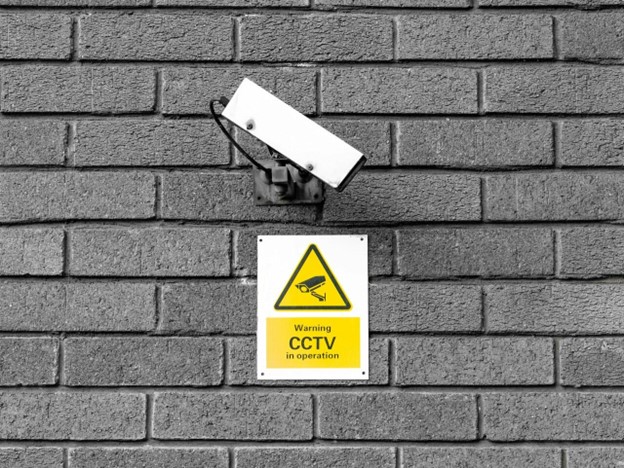
But, even in more public areas, like the corridors or the street outside your office, you will be required to inform people of what you are doing. Seton by Brady have a range of security and CCTV signs designed specifically for this purpose. These bright yellow signs are easily noticeable and clearly understandable, stating that a CCTV system is operating in the area. Depending on your needs, you may also customise these signs, adding additional text or branding.


In addition to this, keep in mind that people are legally entitled to the rights of the information related to them. For example, if you have video surveillance on the shop floor where your employees are always visible, they are entitled to copies of the videos you hold. Your data should be stored for a specific amount of time as well as include strict access control policies, ensuring that only authorised persons are able to access it.
Not just that, your CCTV cameras should be used for the intended purposes only. For instance, a business cannot use it to monitor the performance of their staff – it’s solely there to detect crimes. Each country has different rules and requirements for the use of CCTV cameras. UK businesses can find more details here, on the official government page.
Types of CCTV systems
CCTV systems come in a variety of types and models, suitable for a range of budgets. The cheapest and most simple options are the usual dome or bullet cameras. They are easy to install as well as have a discrete design, which will not make the customer feel intimidated. Typically mounted on ceilings or walls, these types of cameras are often waterproof and windproof.
For a more advanced option, consider PTZ (Pan, Tilt, Zoom) cameras, which can typically be controlled remotely. These are great for covering larger areas, as they allow you to move around and capture more of the room. The smartest options will do so automatically, even through movement detection.
Moreover, you can opt for a CCTV camera that records audio as well as video, however, that should only be used when necessary for the security purposes. Some CCTV systems are also fully integrated with alarm systems, triggering video recording only upon alarm activation, making the data easier to manage.
Best practices
Lastly, installing a CCTV system will require some thoughtful planning. You should start by assessing your premises thoroughly, identifying the most vulnerable areas that need to be monitored. Make sure that the area is well-lit and people’s faces will be easily identifiable in case of theft or vandalism. Consider any potential obstructions too, such as snow outside which could cover up the camera view.
Next, the placement of your camera will be a crucial consideration. Typically, CCTV is installed at the entry and exist points of the business, including main entrances and emergency exists. If you have a lot of deliveries or visitors, the loading docks and car parks will be important to monitor. Internally, cameras should be placed in high-traffic areas, such as lobbies and hallways. Make sure that it is capturing the widest angle possible, minimising potential blind spots. Typically, cameras will be mounted high-up, as this improves visibility as well as prevents anyone from tapering with it.
Lastly, don’t forget to test your new CCTV system fully, ensuring that all components are working properly, and the cameras are positioned at optimal angles. Poorly installed cameras might lead to malfunctioning, which would pose security risks (i.e. if the camera was not functioning properly when the crime took place). As such, it’s always a good idea to do regular checks on your CCTV system, ensuring that everything is working well, including the data storage and access controls in place.
Final word
While getting a CCTV system might sound like a bit of fuss, the effects of it can be detrimental to a business. The existence of video footage could be the reason you are entitled to an insurance payout in the event of theft or, even better, the crime could be deterred all together.