























































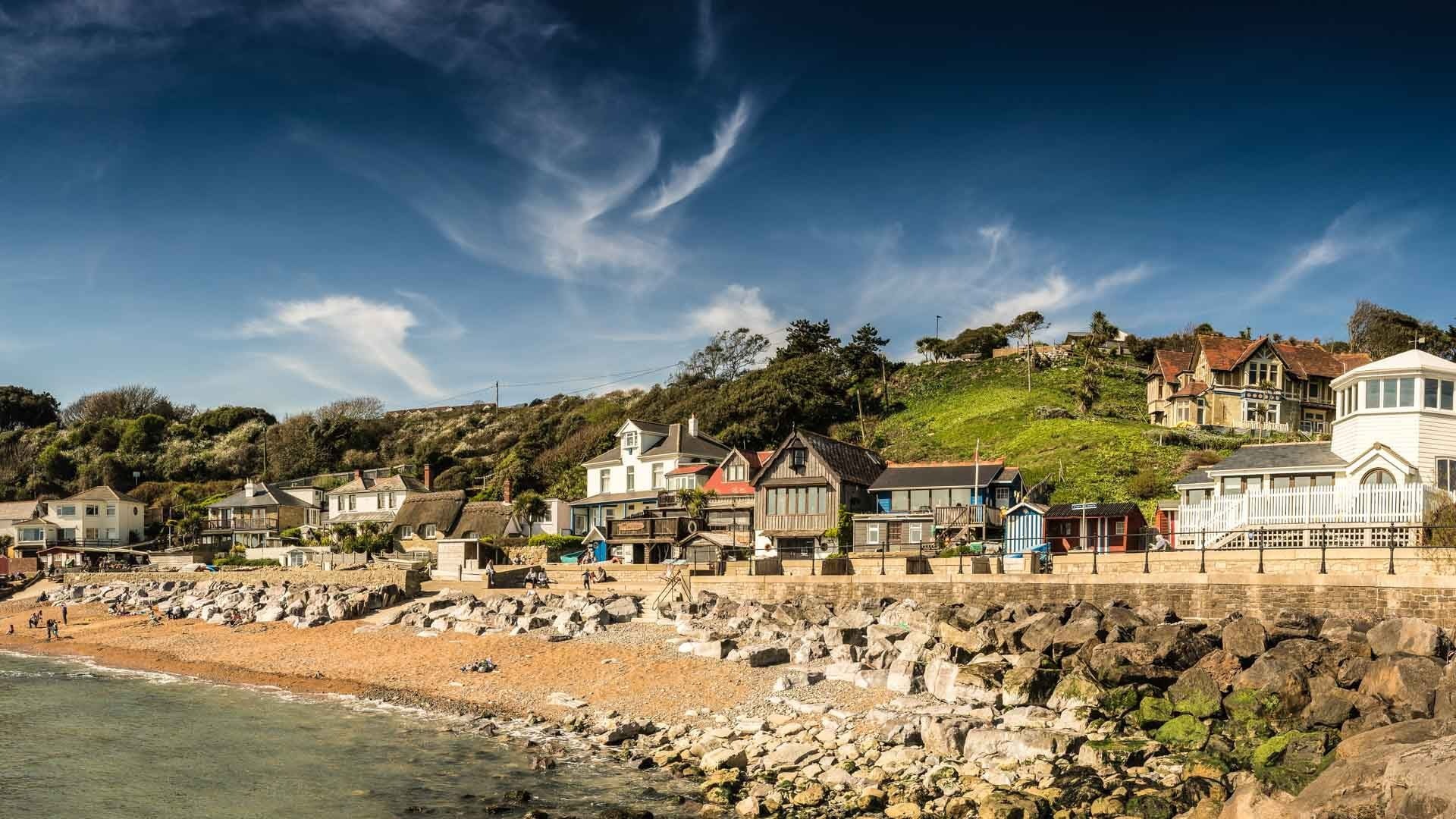

After years of consistent property prices, things seem to be cooling in 2025, reaching a 5%-7% drop. How can new legislative norms foster positive changes in the life of the community of the Isle? Will young families be able to get on the property ladder? Here are some topics to discuss further.
The situation in the real estate market in numbers
The latest situation on the market shows quite disturbing trends for future buyers. The share in transactions related to second home properties from 8.3% in 2021 has dropped to only 1.7% in 2025. Increased stamp duty and ownership expenses involving property transaction costs make potential buyers from the mainland think twice before making a decision to obtain a second home on the island.
While rental prices continue to grow, the average house will cost between £244,000 and £296,000. The recent highs have started to slow down with a 5% decrease since the 2022 peak. But the letting sector continues to show strong demand, especially when it comes to 1-bedroom properties, with average rental price reaching up to £757 PCM (+14.35%) while bigger homes show a decrease in interest for potential tenants, losing approximately -12.2% with the average price estimated around £1,650 PCM.


What changes in tax regulations?
Since April 2024, according to the Levelling Up and Regeneration Act 2023 (LURA), the councils can charge the premium on homes that have stayed empty for one or more years. And since April 2025, after new amendments entered into force, it is up to local councils to put an additional tax on homes that are substantially furnished but have no resident and are not considered someone’s sole or main residence.
This means that the second homeowners will have to pay a lot more each year if they’re willing to keep their properties that stay unused or used as part-time residencies, like country or vacation houses.
Who benefits from the new tax increase on second home properties?
According to local estate agents, these changes will provide more real opportunities to Isle residents for property owning.
“For years, we saw islanders priced out by buyers from London and the South East,” said Sarah Thompson, a local agent. “Now, first-time buyers finally have a shot at securing a property.”
Although most of the buyers belong to the oldest population, with nearly 30% of residents aged over 65. Agency advisers believe that younger buyers start to play more bigger role in transaction shares. With an average price ranging between £200,000–£400,000 housing market on the Isle of Wight becomes more accessible to the young generation.

“It’s encouraging to see more families coming forward,” noticed housing adviser Mark Reynolds. “Stable prices and fewer second-home investors are changing the buyer profile.”
Market analysts estimate that real estate prices will stay stable through 2026, with more new listings being presented by agents and sellers.
“For the first time in years, buying here feels possible again,” one island resident told Island Echo.
Who are the most frequent property buyers on the island?
In view of the tax increase for second home ownership and price stabilization on the market, for the first time in a long period, main buyers on the island of Wight become first-time owners and mortgage buyers. According to ons.gov.uk, in June 2025, first-time buyers paid approximately £199,000, and mortgage agreement holders chose properties with an average price of around £244,000. This indicates that the majority of the buyers come from the community and have strong family ties with residents.
What to expect?
It looks like the latest tax updates implemented by the council of the Isle of Wight had a positive impact on local purchasing ability. More young people have gained the possibility to move from a rental property to their own house. The share of second-home buyers and speculation deals has significantly diminished, opening more opportunities for the residents to obtain their first-time home on the island.
The problem of the younger generation not being able to buy the property looks like it is becoming more serious, not only for the residents but for UK youth in general. And solutions, or at least perspectives on resolving the issues, must be found soon. People start to believe more in winning in casinos than in being able to make enough money, even to consider the property ladder as a real scenario. The non UK casinos accepting UK players are on hype, pushing people to the pit of easy money, and buy the desired property.