

































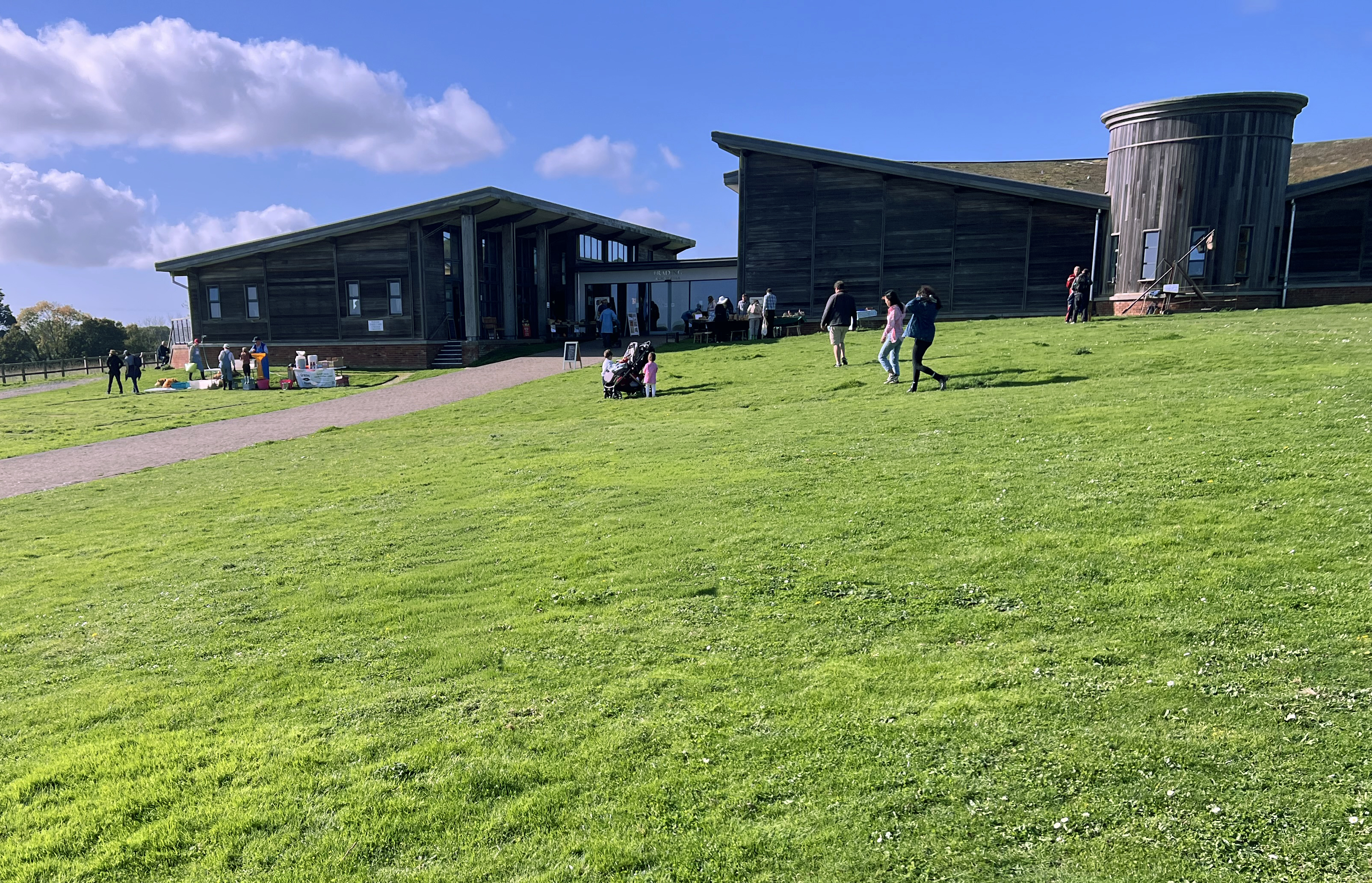















A team of volunteers has delved into the past of Appley Tower as part of the project to restore the much-loved landmark to its former glory. Their discoveries are being shared in a series of free exhibitions and have been included in a research report, written by Ken Dueck. The display may be seen at Brading Roman Villa until 29th May and then at Ryde Library from 3rd-13th June. Anyone with an interest in heritage is invited to become a volunteer tour guide at Appley Tower. Full training will be provided before the re-opening this summer. For more information, contact rachael.ardley@naturalenterprise. Natural Enterprise Chairman, Brian Friend, said:
“Understanding how Appley Tower came to be built helps bring the building to life. It gives us a window into Ryde’s past and highlights the importance of looking after our local heritage.”
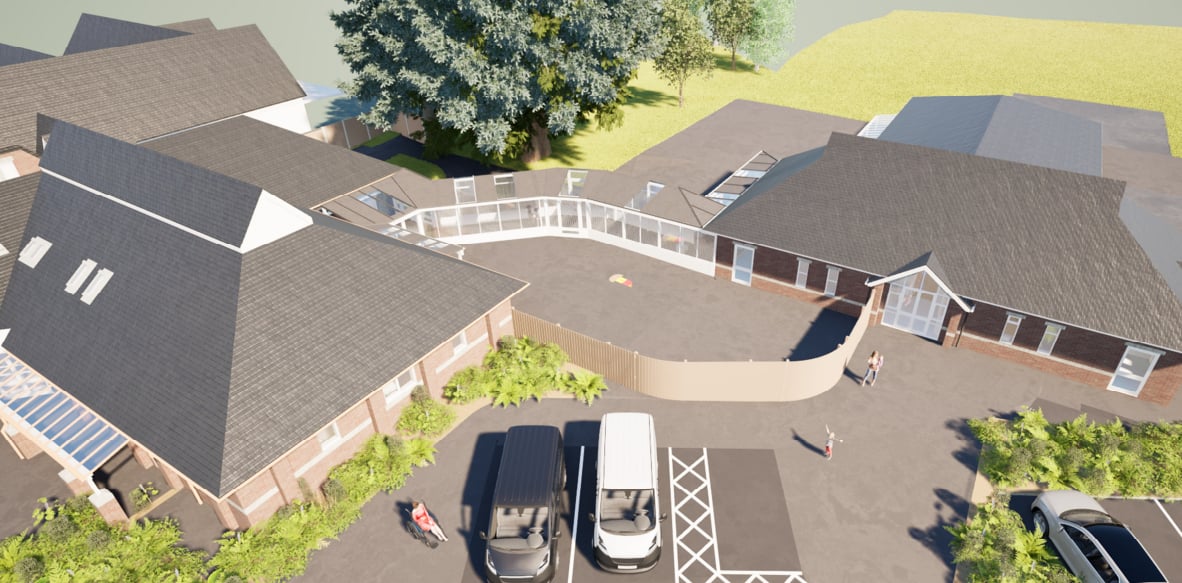
It is anticipated that the restorations will be complete by the end of July, when Monkton Arts will be opening an art gallery and offering free access to the top of the Tower. For more details about the project and to read the full research report go to Natural Enterprise|Appley Tower Heritage Project











I’d love to know what it was used for.
While I was a pupil at Bishop Lovett Middle School, the caretaker, Mr Arapiss, told me that there was a secret passage from St. John’s House down to the tower. He also mentioned that the basement and the secret passage were haunted, probably to prevent pupils from annoying him as he slept in his room.
I’m sure other ex-pupils from Bishop Lovett have their memories of the tower and St. John’s House’s linkage, if any.
I remember a water tower, an odd shape building right in the woods by the lane which runs past to Nunnery, in what was Bishop Lovett grounds.
I doubt that a tunnel would have run all the way to the Appley tower.
I remember years back some hippy guy, whose hair resembled that of his huge dog, running some sort of shop there, and I also remember the rough stone steps shown in the photo, and IF you went down them, and went over some rocks and rock pools which were just in front of the tower, you could easily get ‘cut off’ as the tide came in right up to the wall where the tower was, as there were no steps then to the right hand side of the tower.
The beach has changed a lot, and the rocks all covered by sand now.
Lovely beach
Yes, the “some hippy guy” was called “Yarl” if I remember rightly, and what he didn’t know about precious stones wasn’t worth knowing. A lovely chap, always had time for people. His lovely dog had a beautiful fairy-tale-like name, but after she died, (tragically, I heard) we sadly never saw him again – it was presumed he’d gone to London.
Yes I remember him with fondness. There was also a small building in the woods at the bottom of the field near the golf course that they say a monk was put in and fed through a slit in its wall. The old tramp slept near there too. I’d love to know why it was built as well. Fascinating history
Hi Stefan i to went to Bishop Lovett St John’s House had no connection with the tower it was was built by the owner of Appley Hall who’s land went right down to the sea wall