




























































 Gardeners across the Isle of Wight are being asked to help the UK’s beleaguered butterflies, bees and moths by making the Island the most pollinator-friendly location in the UK.
Butterfly Conservation is trying to discover which UK county is home to the most butterfly-friendly gardens after it was revealed that butterflies are declining faster in urban areas than in the countryside.
The wildlife charity is urging nature lovers and gardeners to take part in their ‘Plant Pot for Pollinators’ campaign and provide nectar sources for pollinating insects in their outdoor spaces.


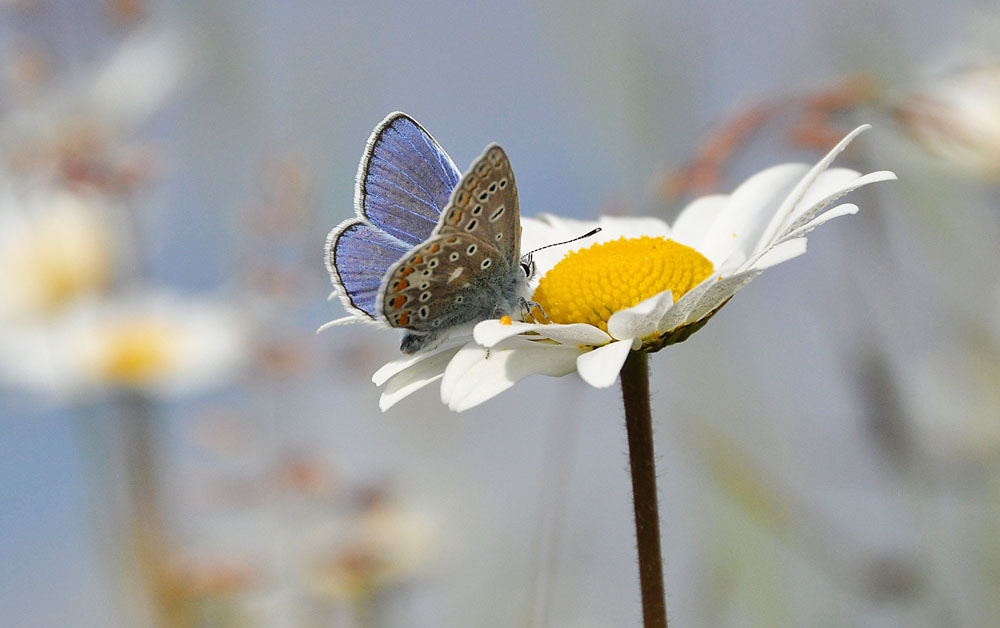
The project, sponsored by retailer B&Q, is encouraging householders to plant a pot with nectar sources such as Shasta Daisy, Cosmos and Catmint. By planting just 1 pot in each of the UK’s estimated 24 million gardens, nature lovers can provide pollinators with an important source of food and shelter throughout the summer.
Those taking part can plot the location of their pot on the Plant Pots for Pollinators website and help reveal the most pollinator friendly country in the UK.
By planting flowers such as French Marigold, Calendula and Dahlia gardeners provide food for butterflies such as Small Tortoiseshell, Red Admiral and Peacock, while providing a few Thyme and Lavender plants will attract species of bees and other pollinating insects.
Pollinating insects are essential for the fertilisation of many crops, including fruit, seeds and oils as well as many plants, trees and wild flowers.
Butterfly Conservation Ambassador and wildlife gardening writer Kate Bradbury, said:

“Many butterflies will travel far and wide for a good meal, and you don’t need a big garden to lure them in.
“A simple pot of Lavender or Buddleia on the doorstep can do the trick, and a well-planted window box can be a butterfly magnet. And don’t forget moths – stepping outside at night and watching moths buzz around your flowers is a magical experience – what are you waiting for? Get planting!”
The Butterfly Conservation scheme runs throughout the summer. To take part visit www.plantpotsforpollinators.org.