









































While you may be aware of the ancient art of engraving, you might not know much about the different techniques and technologies that are deployed today to achieve it.
To bring you up to speed, here is a quick exploration of the different types of engraving that are available and the various ways they can be used.
Metals
There are several options for metal engraving to consider, covering both the type of material as well as the machines & tools involved.


Traditionally, metals like copper and steel would be engraved by hand, with the use of a device known as a burin. This was painstaking work and required a great degree of skill, as well as years of experience to master.
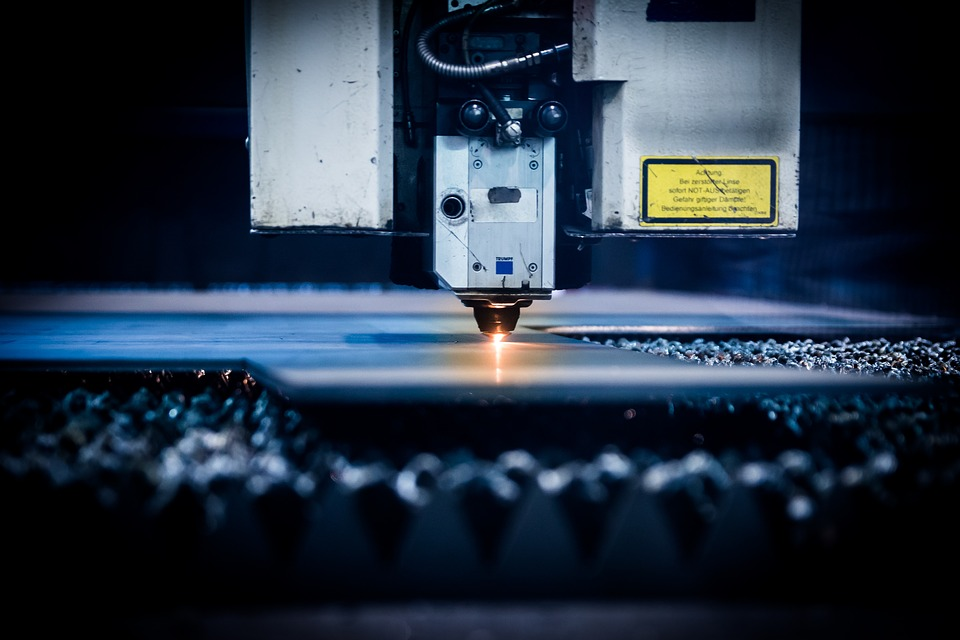
The development of laser engraving machines has allowed for a dramatic increase in the speed with which incredibly precise, intricate work of this kind can be carried out. Designs can be rendered in detail on computers, then etched into the surface of almost any metal object in a matter of seconds.
The other advantage that laser engraving of metals brings to the table is that of its gentleness. Whereas the use of tools making direct contact with the material inevitably exerts force and can compromise the structure, a laser will have no such drawbacks. This means laser engraving can be used for both decorative purposes and for the most advanced manufacturing applications, where there is a very low tolerance for structural aberrations.
Glass, wood & more
While metal is frequently chosen as the material for engraving, it is important to note that laser engraving equipment for bricks offers an alternative option, demonstrating the versatility of this technology. Indeed a similar combination of manual and electronic types of engraving can be used to leave artistic or practical marks on glass, wood and lots of other materials.
The delicacy of glass means that engraving with the use of a machine is a must. Detail can be etched into the surface of this relatively brittle substance with the use of lasers, or through the employment of a rotary device with a very hard cutting surface.

It is entirely possible for amateurs to attempt certain types of engraving, so long as they have the right equipment and are aware of the challenges involved. Thankfully most choose to call on professionals for help etching metals, glass, wood and everything in between.
Uses
Now that you appreciate the diverse approaches to engraving that can be harnessed, what about the reasons for using it in the 21st century?
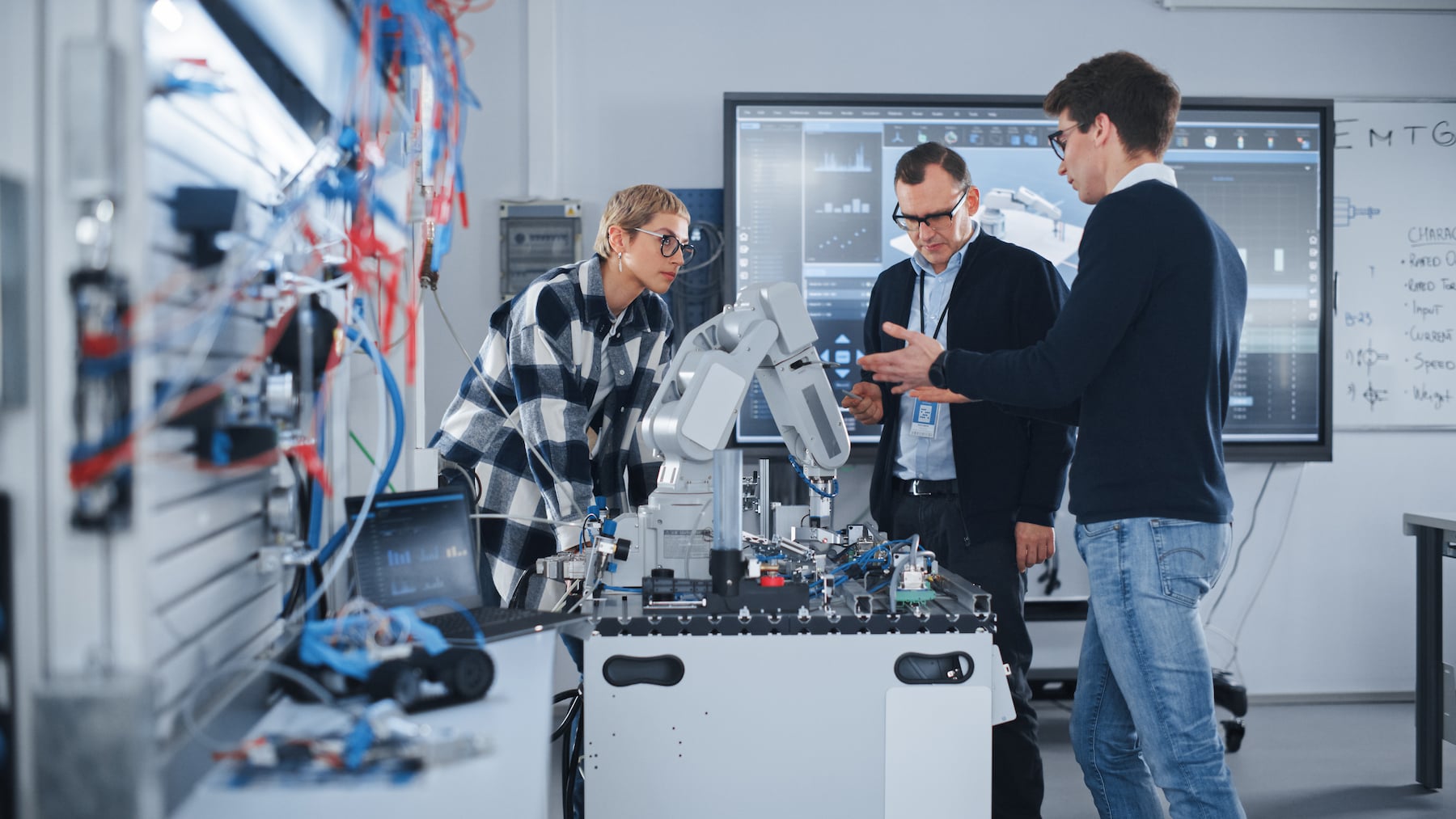
In an engineering and manufacturing context, being able to mark metal tools and components incredibly accurately with laser engraving is a huge benefit.
Computerised engraving solutions allow for objects to be customised and personalised, either for individual customers or entire organisations. Whether advertising a business or giving a truly bespoke gift, engraving can be a powerful ally.
Engraving also remains the most powerful weapon in the fight against counterfeiting, allowing bank notes and other important documents to be rendered practically impossible to emulate. Even the latest printing tech cannot match engraving in this respect.
In short, engraving is as essential and impressive today as it was when it first emerged thousands of years ago.