
































































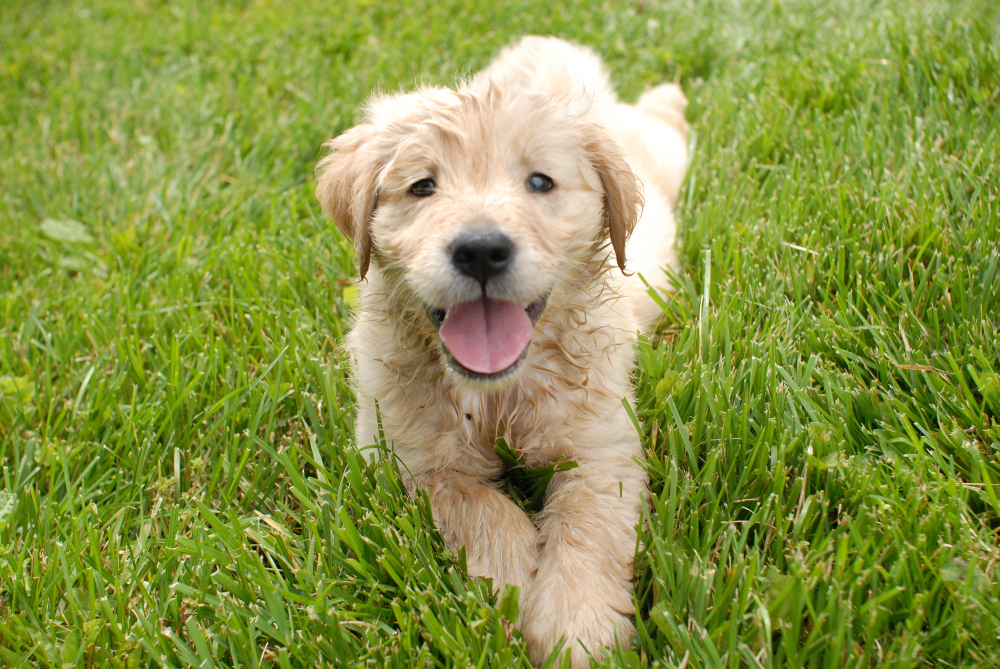

Bringing home a new puppy is such an exciting time. Full of mischief and energy, puppies are also the cutest bundles of joy and bring so much happiness to families around the world.
However, many well-meaning owners unknowingly fall into bad habits, laying foundations for future stress, frustration and burnout.
Puppies are never ‘just for Christmas’; they’re developing animals with very specific physical, mental and emotional needs. But sometimes these needs can be misunderstood, resulting in overwhelming your puppy and even long-term behavioural issues.
That’s why understanding the most common puppy training mistakes, and how to avoid them, can make the difference between a confident, well-adjusted dog and one that struggles.


The Most Common Mistakes New Puppy Owners Make
New owners often approach puppyhood with enthusiasm and the desire to “do everything right.” Ironically, this can sometimes lead to doing too much, too soon.
Over-exercising young puppies
One of the most common puppy training mistakes is assuming that more exercise equals a happier puppy.
In reality, puppies are very susceptible to injuries. Their excess energy can put strain on their developing joints and risk orthopaedic issues, which can affect their ligaments, bones and muscles.
So, playing with them all day or taking them for excessive walks can quickly lead to fatigue and should be resisted.
Diving headfirst into training
Teaching your puppy new tricks is exciting! And it might seem like you’re doing them a favour by jumping to teaching them tricks.

However, teaching them too much too soon can lead to over-stimulation and impact their ability to retain anything you teach them.
Inconsistent daily routines
In a puppy’s life, much like human babies, their first few months are crucial for their development. During this time, they’re gradually learning when to sleep, play, eat and go to the bathroom, as well as new skills essential to a well-trained dog.
That’s why puppies need consistent daily routines. Irregular feeding times, changing walk schedules, or inconsistent training expectations can lead to unpredictable potty accidents, increased barking and poor eating habits.
When routines shift constantly, puppies struggle to settle, learn, and self-regulate, resulting in confusion and stress, alongside increasing the risk of new puppy burnout for both dog and owner.
How to Prevent Puppy Burnout: Building Healthy Habits from the Start
Learning how to prevent puppy burnout starts with recognising that progress doesn’t come from cramming everything into the first few weeks, but from steady, balanced development.
Avoiding puppy overwhelm doesn’t require perfection; it requires intentional actions.
Pace walks and physical activity
Puppies need balance; a healthy mix of rest and play should support their development and give them adequate downtime.
Veterinary surgeon, Dr James Ede, recommends that puppies need about five minutes of walking for every month of age. Short, age-appropriate walks combined with gentle play are far more beneficial than pushing your puppy’s physical limits early on.
Keep training consistent
As with all training, staying consistent and maintaining a routine is essential for teaching your puppy new tricks and essential life skills.
Toilet training, for example, should start immediately when they get home. This is arguably one of the most important skills they will learn.
Taking your puppy outside after every meal, when new visitors arrive, after they’ve woken up and just before bedtime will enable them to associate these activities with needing the loo and encourage them to gain control of their bladders.
Introduce social experiences thoughtfully
Although puppies need their vaccinations before they can properly socialise with other dogs, early social exposure is essential for their development. In these early stages, it should be controlled, positive and safe, like during puppy training classes.
Gradual introductions to new people, environments, and other dogs help build confidence without overwhelming young puppies.
Staying Balanced Without Losing Track
One challenge many new owners face is simply keeping track of everything. From walks and training to rest, feeding and health milestones, such as vaccinations, it’s so easy to unintentionally overdo certain activities while missing others.
This is where tools like Biscuit can play a supportive role.
Biscuit acts as a second brain for new puppy owners. By helping owners track their puppy’s daily walks and keep up to date with vaccinations, flea & worm treatments, microchipping and more, Biscuit makes it easier to stay in control of everything puppy-related.
Rather than adding pressure, having a clear overview can give owners confidence that they’re meeting their puppy’s needs in a balanced way.
Why Early Balance Matters Long Term
The habits formed during puppyhood shape a dog’s future behaviour, resilience, and wellbeing. Puppies raised with consistent routines, appropriate levels of stimulation, and adequate rest are more likely to grow into calm, adaptable adult dogs.
Avoiding common mistakes new puppy owners make doesn’t just prevent short-term stress; it reduces the likelihood of behavioural issues later on and strengthens the bond between dog and owner.
A More Sustainable Approach to Puppyhood
Remember, raising a puppy isn’t a sprint to the finish line!
It’s a gradual process of learning, adjusting, and growing together. By slowing down, focusing on balance, and staying mindful of both physical and mental needs, owners can avoid puppy overwhelm and build healthy habits that last a lifetime.
With the right expectations and the right support, puppyhood can be less about burnout and more about laying the foundations for a happy, healthy future.