
































 The current restrictions imposed by the Government mean that only a handful of close family are allowed to attend funerals – but the Diocese of Portsmouth’s clergy have found innovative ways to help bereaved families.
Clergy across Hampshire and the Isle of Wight are using resources developed by the national CofE to help family members and friends who are unable to attend pay their respects from home while the funeral takes place. They are also offering pastoral support to bereaved families over the phone and offering families a memorial service in church, once church buildings are re-opened.
At present, all funerals have to take place either at the graveside or in a crematorium.


The Diocese is also trying to help bereaved families by waiving the church’s fees for funerals while churches are closed and a full funeral service can’t be offered in church. They’re also offering funeral directors a single phone number to ring, so that funerals can be co-ordinated across the diocese, especially in situations where the local vicar may be self-isolating.
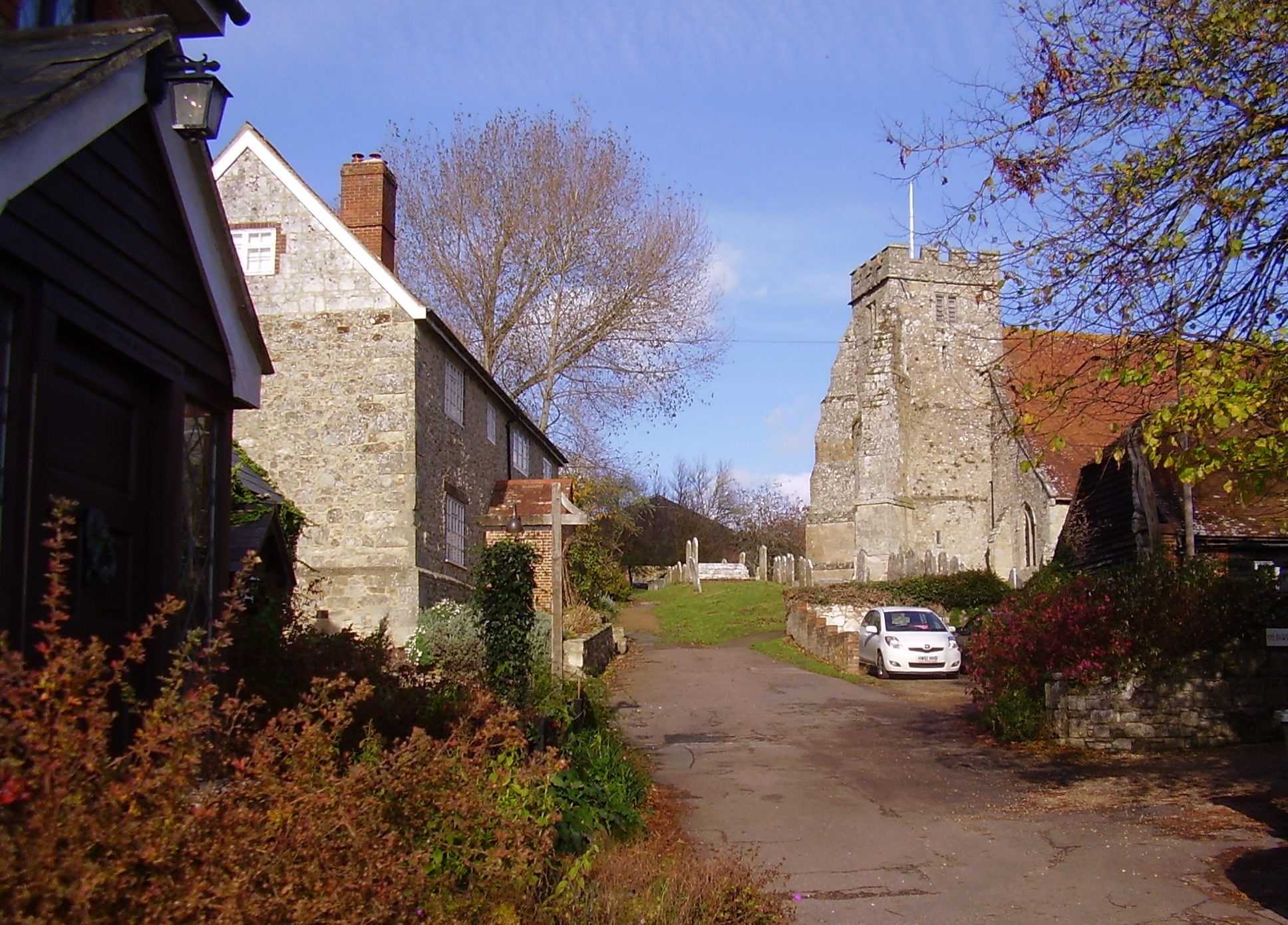
Worshippers from Newport Minster were recently able to watch a specially-created video while the Archdeacon of the Isle of Wight led the funeral of PCC member Tony Hayman, who had lost his battle with cancer.
Tony had always wanted the instrumental Il Silenzio to be played at his funeral, and the parish had been planning to play it live with an organ and 2 trumpets. Instead, director of music Steve Parker and social media manager James Bremridge created a Youtube video featuring that piece of music, with images and video footage from the minster, to honour Tony’s request. It was premiered online on the minster’s Youtube channel as the funeral took place.
Rev Samantha Martell, priest-in-charge of All Saints and St Michael’s in Ryde, has found the value of providing orders of service to bereaved families, for them to hand on to those who aren’t able to be at the funeral.
She says:

“We are having to do our pastoral care over the phone, so it is a bit more business-like than visiting a family in their own homes. Things like a photo of the coffin, or the emailing of an order of service become important to families. It is difficult at the end of a service, when you can’t even offer to shake hands or touch the shoulders of someone who is bereaved. But what we are offering is still personal, pastoral care.”