















































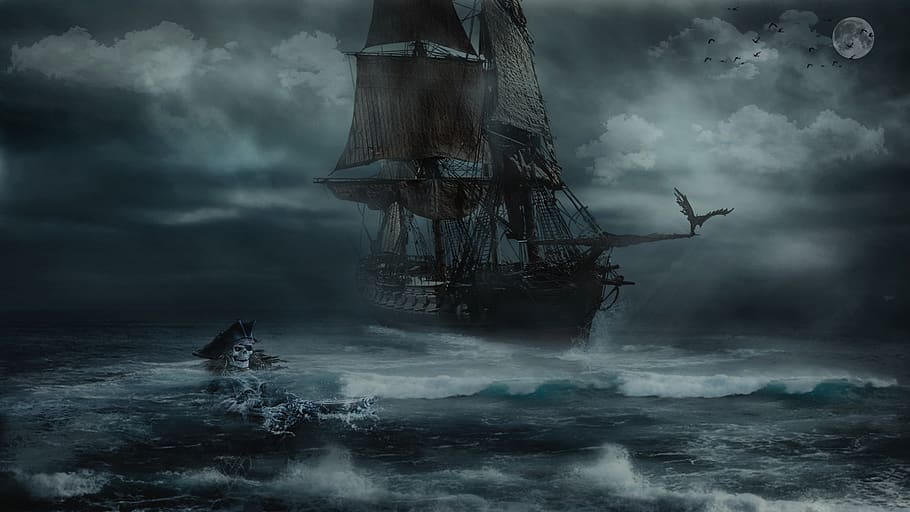

 A British warship returning from Jamaica – HMS Assurance – carrying a fortune in silver coins stuck Goose Rock off The Needles on 24th April 1753.
The loss of the frigate was due to the foolhardy actions of David Patterson – the ship’s master. Patterson took over the navigation from Captain Scrope, declaring that the ship:
“would be so close [to the outer Needles Rock] that the flag of the ensign will touch the rock.”
Article continues below this advertisement

The ship sailed dangerously close to The Needles, striking Goose Rock, before sinking. Fortunately, the crew were saved.
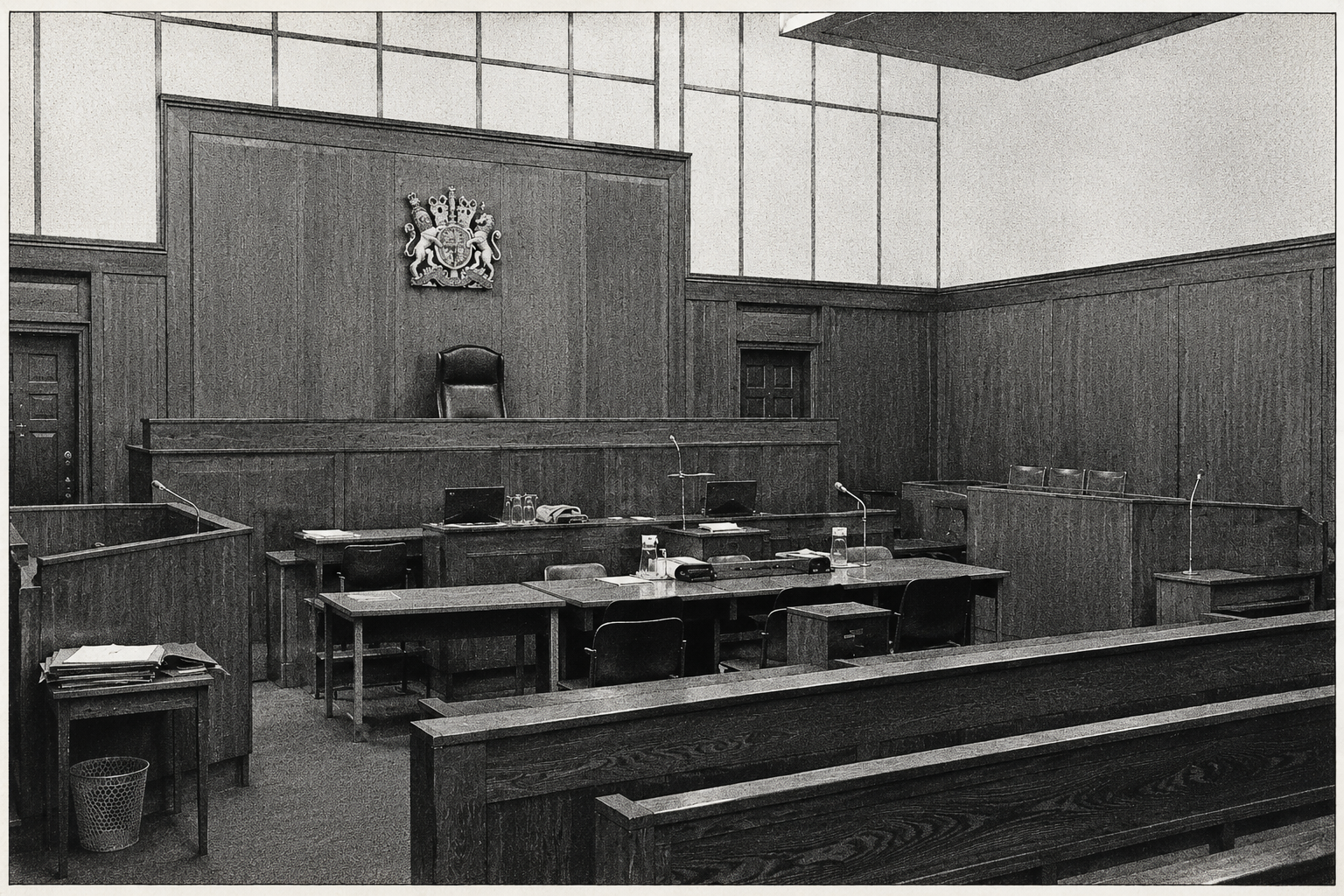
At the subsequent court-martial, Patterson accepted blame for the loss of the Assurance, stating that his overconfidence had led him to dispense with the services of a pilot.
Patterson was sentenced to 3 months imprisonment.
In 1970, the wreck was discovered by Isle of Wight resident Derek Williams. It was subsequently designated under the Protection of Wrecks Act in 1974 and is now managed by Historic England.
A great deal of ‘treasure’ has been recovered from the wreck, including Spanish reale cob coins and Roman coins.


The finds have been placed in the Royal Naval Museum in Portsmouth.









I bet far more coins have not been declared. Why would Roman coins be on a ship wreck over 1800 years later?
thought the same mark
Up the Palace
Many hoards of Roman coins have been discovered in the Americas. Europeans who emigrated in the 15th century onwards would take all their possessions with them, including all their gold, silver and other coins etc. Many would be Spanish and Italian, where Roman coins were plentiful
Some of their ships would have been taken by pirates, and most pirates were based in the West Indies so would make their attacks in that area. HMS Assurance would then come along and politely relieve the pirates of their ill-gotten gains and bring them to England. The Italians and Spanish lose – the pirates lose – England wins (well, the Royal family of the time win – the peasants didn’t). Britain ruled the waves.
Really enjoy these postings of a time long ago. So interesting to read but pleased that the crew were saved. God bless the Royal Navy.
I believe a University dumped a load of replica Spanish coins in that area as markers to study tidal flow and seabed movement, many local ‘historians’ have these put by as a pension pot, so ledgend has it.