























































 During Mental Health Awareness Week (10th – 16th May), an Island housebuilder has launched Nature on Your Doorstep, a project designed to inspire and advise people how to turn their outdoor spaces into havens for wildlife – whether it be a garden, balcony, yard, or community green space.
In partnership with the RSPB, the project comes after many individuals across the region have rediscovered their local nature during the pandemic and subsequent lockdowns.
In 2020 alone, over 1.7 million people sought advice from the RSPB website on how to make their garden more wildlife-friendly, and in January the RSPB’s Big Garden Birdwatch saw a record-breaking one million people take part and count the birds in their garden.


According to a recent YouGov poll, 2 thirds of people in the UK said nature was a source of solace during the Covid crisis, with more than half of those surveyed (51%) believing the pandemic made them more aware of the nature around them. A recent study from Princeton University, USA, also found that gardening is one of the top five activities for increasing emotional wellbeing.
The importance of the outdoors to our own health is why the Mental Health Foundation has chosen ‘Nature’ for the theme of this year’s Mental Health Awareness Week, in recognition of how nature helped people through the pandemic.
Nature on Your Doorstep will give people access to how-to gardening guides, easy step-by-step videos, seasonal gardening advice, and an online community dedicated to bringing people together to ask questions, seek advice, and share their successes (and learning experiences).
Already available are four of the ten ‘Wildlife Action’ articles and how-to videos from Adrian Thomas, the RSPB’s wildlife gardening expert. Visitors to the page will also be able to sign up to receive a monthly newsletter full of useful tips and tricks.
Adrian Thomas said:

“Our local wildlife has been an incredible source of comfort over the past year of isolation and uncertainty, and we’re thrilled to see people wanting to help nature in return. With Nature on Your Doorstep we want to provide a place for everyone to learn from each other, ask questions, and be inspired to do more.
“Gardens can provide a crucial lifeline for struggling species – familiar birds such as the house sparrow have seen their numbers halve in the last 40 years, while 28 species of urban butterflies are down 69% in three decades. But seven out of eight households in Britain have a garden, and that is a huge patchwork of potential homes for nature.
“To that hungry butterfly, or that weather-beaten bird looking for a place to roost, just one garden can make all the difference. If we all work together to transform our gardens, we can truly revive our world.”
Over the next 3 years, the project will continue to grow into a go-to place for gardening for wildlife. The project will host everything from customisable content to seasonal advice, as well as conducting research into what drives or prevents people from welcoming wildlife to their outside spaces and investigating how to empower local communities to make shared spaces a home for wildlife.
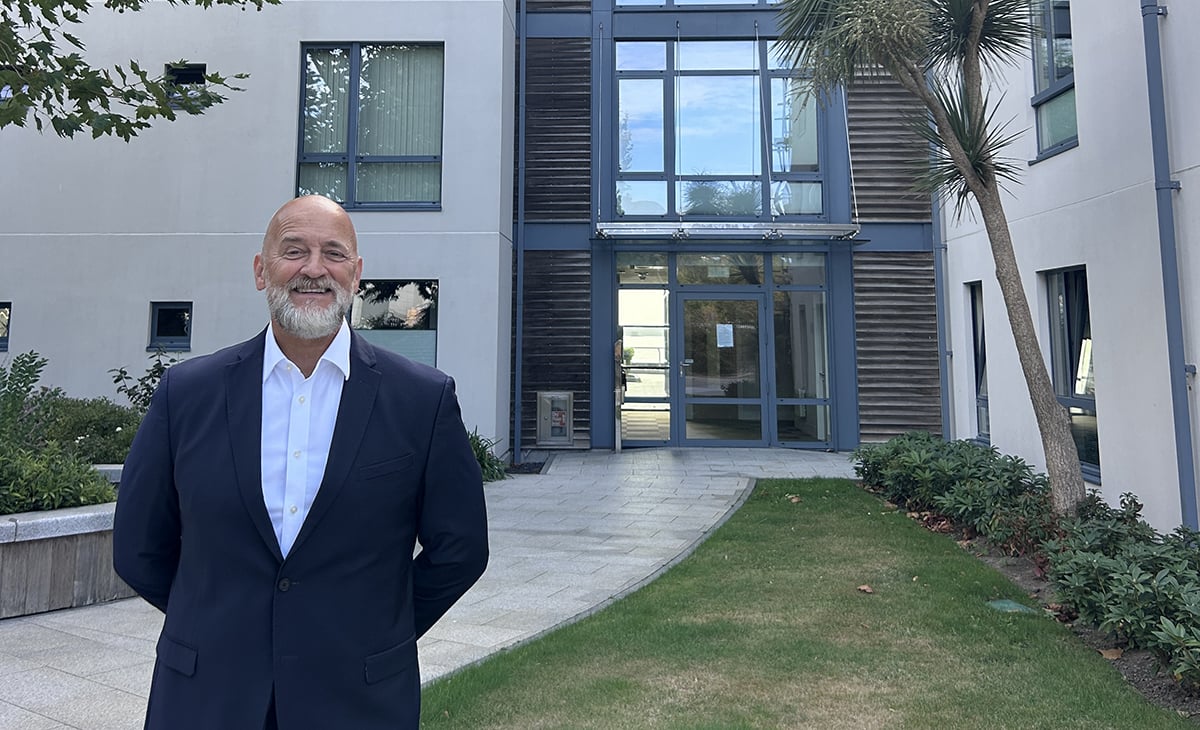
Jon Green, Managing Director at Barratt Homes, Southampton Division, said:
“We want to empower people to give nature a home by creating an online community for them to learn and share their experiences. We’ll be giving them digital tools which they can then take into the garden to get their hands dirty.”
The RSPB and Barratt Developments have been working together since 2014 to show how new homes can help nature and support wildlife. Their support has allowed the RSPB to breathe new life into its wildlife-friendly gardening work through the creation of Nature on Your Doorstep.
To turn your patch into a paradise for you and your wildlife, please go to: rspb.org.uk/yourdoorstep.












Don’t forget Hedgehog highways!
I’ve heard this for years, and it’s true. but sadly many people don’t care. All I see in Ryde are front gardens being destroyed and concrete or gravel put down covering the former garden. The people responsible thinking they’ve ‘improved’ it. It’s psychologically damaging to people like me who feel hurt at seeing this destruction and knowing the cumulative damage it does to our world. It won’t stop unless the law changes to stop allowing it.
Don’t kid yourselves it’s only another gimmick to convince people how wonderful they are at cluttering the countryside up with unwanted ‘rabbit hutches’. they are causing more damage to the local environment than has been done over the last 1000 years
Free Advertising & they are not Island builders.
IE can you please explain why you removed my comment?