





















































 A finance expert in Hampshire is advising people in the region who are struggling to pay for the festive season not to allow a New Year debt hangover to cause them pain throughout 2016.
The Southern Committee of the insolvency trade body R3, which brings together insolvency specialists from across Hampshire, is recommending a ten-point action plan which can help people recognise, review and address their money issues.
The Isle of Wight retains its title as the area with the highest insolvency rate in Hampshire and is the joint 18th worst region in the country, having been 19th worst last year. It’s also in the top 10 places in the UK with the highest number of Debt Relief Orders.


Overall the South East has one of the lowest rates for personal insolvency of any region in England and Wales.
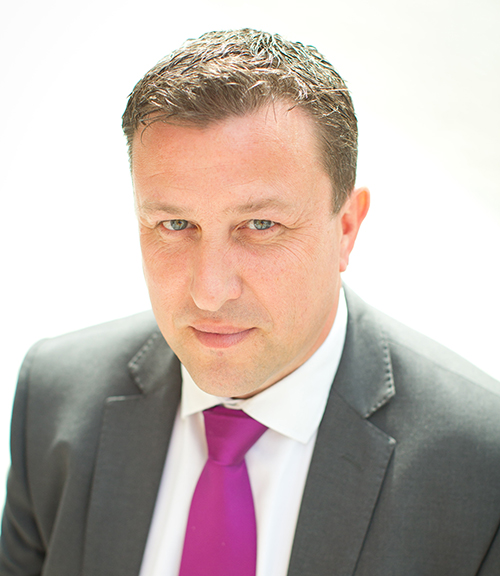
Andrew Watling, chairman of the Southern Committee of R3, and a partner at Quantuma in Southampton, said:
“Dealing with a New Year’s Day hangover can feel arduous enough, but whilst a couple of paracetamol and a few hours’ more sleep usually deals with the problem, there’s sadly no such quick fix for financial problems and they can be a lot more painful for a lot longer if you ignore them.
“Overall, Hampshire has one of the lowest rates for personal insolvency of any region in England and Wales but the rates are not consistent across our region. The first few months of any new year are often the time when overspending catches up with people.
“For those with debts, seeking advice early from a qualified source is the best course of action. The more debt builds up, the fewer options there are available. Confronting financial difficulties straight on is the best way to prevent drowning in debt during 2016.”
Article continues below this advertisement

R3’s top ten tips for managing a debt hangover are:
- Act today. Putting off the problem is far more dangerous than dealing with it.
- Ask for help. Much professional advice is free, whether it’s an initial consultation with a licensed insolvency practitioner, the National Debtline, Citizens Advice Bureau, or Insolvency Service Helpline.
- Be honest with yourself. Start by working out how much you owe right now with everything combined. Work out your income and expenditure too. Do not be vague.
- Prioritise the payment of your debts. Identify your essential financial commitments and cut down on luxuries. Identify outstanding debts with the highest interest charges and prioritise paying these. Maintain minimum monthly credit card payments to retain your credit rating. An advisor can help with this.
- Communicate with your creditors. This will give them an opportunity to help you at an early stage, which could evaporate further down the line.
- Learn about your options. A number of formal insolvency procedures are available. Bankruptcy, Debt Relief Orders (DROs) or Individual Voluntary Arrangements (IVAs) provide solutions appropriate to various levels of debt. These solutions are both statutory and highly regulated procedures, and not the “debtors’ prison” of Dickens. It will cost you time and money if you start in the wrong solution, so make sure you take advice about all of the options available to you.
- Be transparent. Give full details about your financial situation to both creditors and advisors.
- Take your time to choose the right solution. Don’t allow yourself to be pressured and make sure you are talking to a regulated professional rather than a provider who may seek upfront costs worsening the position.
- Don’t plug the gaps short-term. Using your credit card or ‘payday’ loans to tide you over day-to-day is a sure sign of financial trouble, and only likely to make your financial situation worse, rather than better.
- Spend sensibly. Retailers are still desperate for your cash or credit card payments, but try to resist the temptations they’re offering if you know you can’t afford them.