


























































Businesses operating on the Isle of Wight face distinct challenges when managing staff on the move. Whether it’s tradespeople travelling between client sites or delivery drivers covering remote areas, the island’s combination of winding lanes, inconsistent mobile coverage, and tourist season congestion creates ongoing concerns around safety, efficiency, and oversight. For companies with employees working alone or far from town centres, knowing exactly where vehicles and staff are at any given moment is a key part of ensuring duty of care.
Overcoming Visibility Gaps in Remote Locations
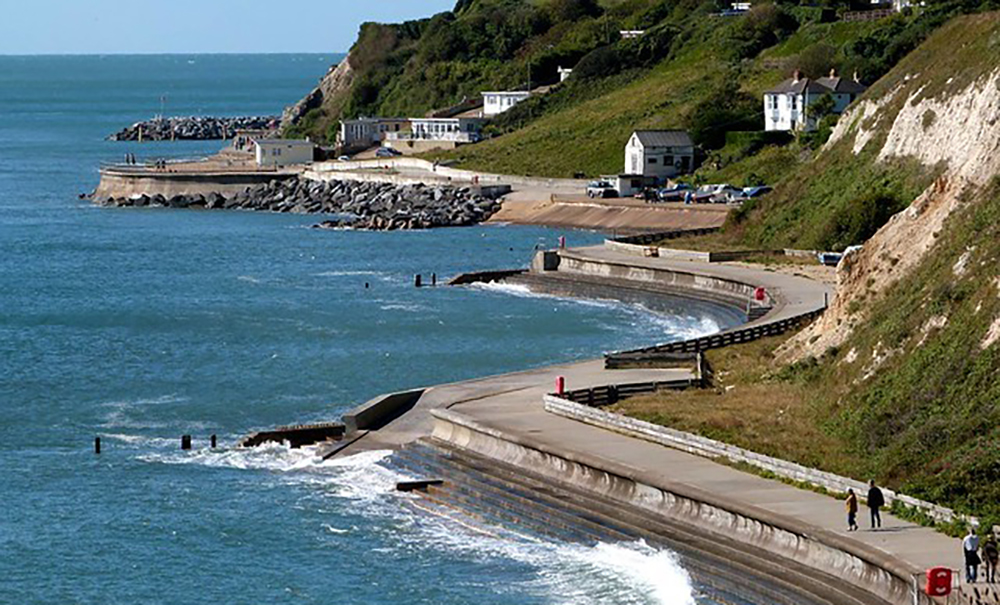
Teams across the island often move between towns like Newport, Ryde, and Ventnor, travelling through rural or coastal routes where phone signals weaken or disappear entirely. These areas present real difficulties for business owners trying to keep in touch with drivers or coordinate real-time routes. In the past, long periods without contact often left managers unsure if a team member had encountered delays or was simply out of signal.


One reliable solution many companies now rely on is a fleet tracker for logistics and delivery. These systems deliver a clear, uninterrupted view of vehicle locations and movements across all island areas. Even in places where phone calls might drop out, a tracking system can provide updates via GPS and data buffering, ensuring continuity in vehicle monitoring.
Fleet tracking tools make it possible to locate lone drivers without needing a direct phone call. If a team member hasn’t arrived where expected or appears stationary in a low-signal zone, business owners can react swiftly and send assistance if necessary. Fleet tracker systems are now vital for companies working with limited connectivity and high safety responsibilities.
The Value of Fleet Tracking Systems in Day-to-Day Operations
The challenges posed by the Isle of Wight’s geography mean local businesses need solutions that go beyond reactive safety. Modern fleet tracking systems offer a broader set of tools that help employers plan more effectively, manage driver schedules, and respond to changing road or weather conditions. During peak tourist seasons, some island roads can become heavily congested, forcing delivery vans or service vehicles to take longer, alternative routes.
Having access to real-time journey data allows businesses to adjust plans dynamically. A fleet tracker enables quicker decision-making, helping managers reroute vehicles, update customers, and stay on top of scheduling commitments. Additionally, a fleet tracking system can log essential trip information even when the vehicle enters a signal dead zone. This data syncs automatically once reconnected, giving managers full visibility without interruption.
From a safety perspective, alerts for vehicle stoppages or unauthorised detours add another layer of control. When used properly, these features support a proactive safety culture and improve confidence in lone worker management.
Improving Safety Through Driver Behaviour Monitoring
Safety isn’t only about knowing where your team is. Monitoring how company vehicles are being used helps to reduce risks and prevent future incidents. Many fleet tracking systems include features that record and report on driving behaviour – such as sudden braking, rapid acceleration, or excessive speed. These insights allow business owners to identify trends and coach drivers, accordingly, promoting safer habits over time.
Another useful feature is geofencing, which allows companies to set up digital zones around specific locations. The system sends an alert if a vehicle enters a hazardous area, like flood-prone roads or routes known for ice in winter. For areas on the Isle of Wight where road conditions can change rapidly due to weather, this function helps keep both staff and vehicles safer.
A robust tracking system combines location updates with behavioural data to reduce guesswork and support businesses in upholding their health and safety obligations.
Cost-Effective Tracking Options for Small Businesses
Not all businesses need a large-scale tracking network to improve safety and logistics. Some Isle of Wight companies have started with a single plug-in GPS device to assess how it fits into their operations. These low-cost units often come with pay-monthly plans and no installation fees, making them an accessible entry point for small fleets.
For local trades or service companies, even basic tracking offers value – helping dispatch the closest available staff member to a new job, confirming delivery times, or tracking vehicle movements over the day. Over time, these efficiencies save both time and money, while offering improved customer service.
Linking tracking data to tools already in use, such as scheduling apps or accounting systems, smooths business processes. Automatically generated logs from fleet tracking devices help with job reporting, tax documentation, and operational reviews.
Keeping Pace with Regulatory Developments
As with all data systems, vehicle tracking must comply with privacy legislation. Business owners need to stay informed about their obligations under the Data Protection Act and guidance from the Information Commissioner’s Office. Staff must be made aware when their vehicles are being tracked, and companies are responsible for handling location data securely.
Modern tracking software often includes privacy settings to limit visibility outside of working hours or disable certain data types, helping employers comply with the law while still gaining the insights they need.
Businesses that understand and plan for these legal considerations benefit most from fleet tracking. They use the data responsibly, keep their teams informed, and maintain trust across their workforce.
Scaling and Adapting to Local Business Needs
One advantage of digital fleet tracking is its scalability. For businesses that expand during summer months or adjust service levels throughout the year, the ability to add or remove vehicles from the system without long-term contract penalties is crucial.
Some tracking solutions now integrate with weather services and ferry schedules, providing smarter routing tools for drivers working in changing conditions. In coastal regions, where fog or ice can render routes impassable, this type of functionality becomes a major asset.
By choosing flexible systems, Isle of Wight businesses position themselves to respond quickly to seasonal shifts, infrastructure changes, or unexpected events, all while keeping operations compliant and efficient.
Safer Routes and Smarter Business Decisions
For businesses operating across the Isle of Wight, the unique mix of terrain, weather, and infrastructure makes staff tracking both challenging and essential. Modern fleet tracking solutions offer the tools required to maintain visibility, enhance safety, improve efficiency, and support regulatory compliance, all within a cost-effective framework.