































 In our 6th and final edition of Isle of Wight pubs, Island Echo examines a few of the once plentiful hostelries of the seaside town of Ventnor.
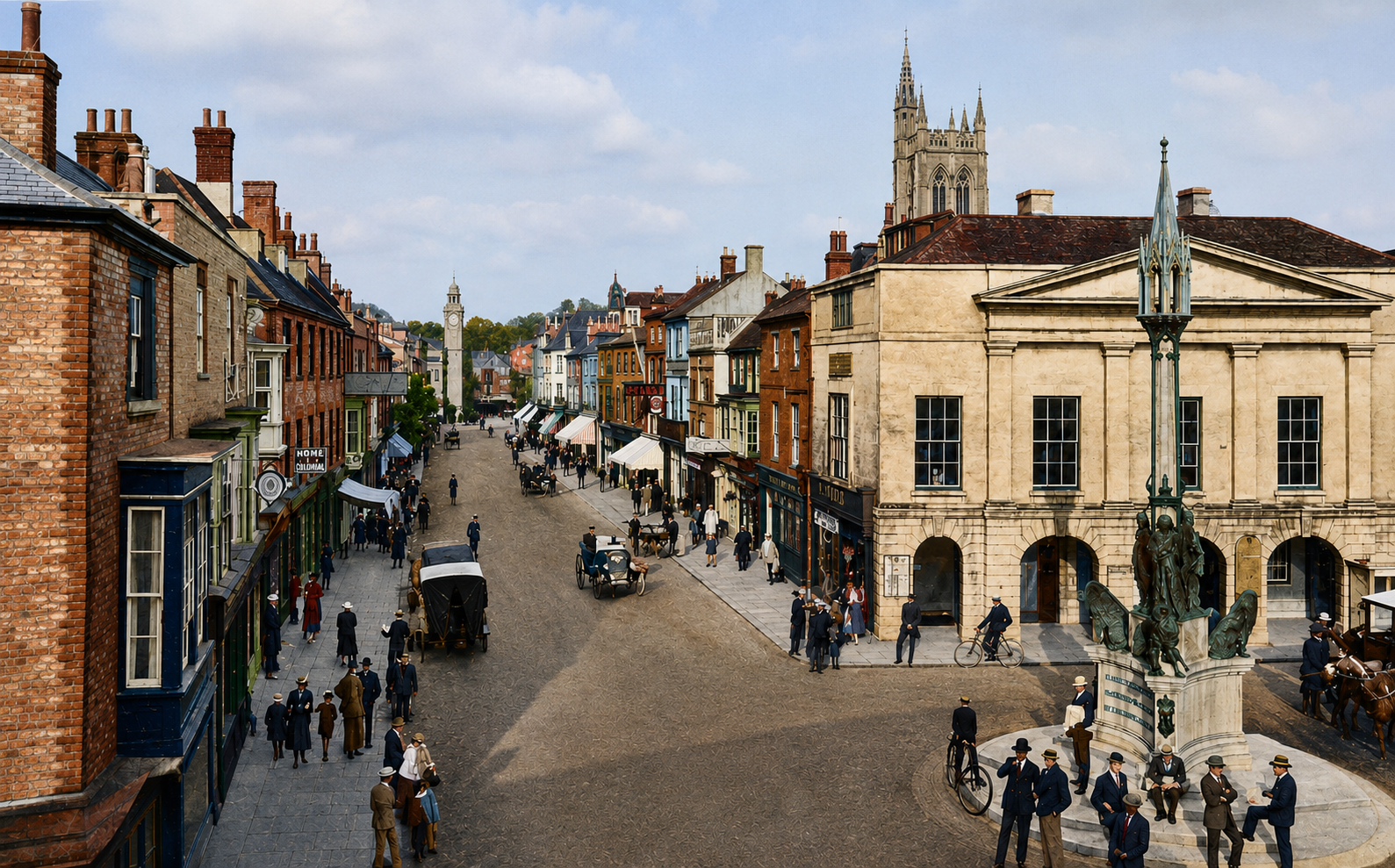
As Ventnor grew in population and popularity over the course of the 19th century, the number of inns in the South Wight town multiplied accordingly. In 1851, there were a mere 6 inns in the town. By 1859, there were up to 25 public houses plus a number of hotels with an associated ‘tap’ serving alcohol. It is thought that outlets serving alcohol reached their peak at around the early 20th century.
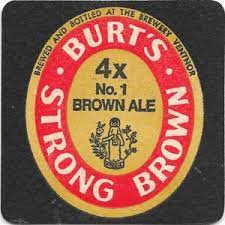
Burt’s Brewery
No discussion of sales of beer in and around Ventnor would be complete without a mention of Burt’s Brewery, which supplied cheap beer to the town for over 150 years. The brewery was founded in 1840 and taken over by John Burt in 1852.


The water used for beer making at Burts was taken from a spring in St Boniface Down. The most popular product was Ventnor Premium Ale, known as ‘Veeps’. This was a hoppy, malty and cheap bitter.
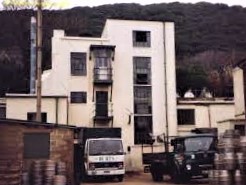
Burt’s Brewery took a direct hit during a German air raid on the town in 1943 and had to be rebuilt. It closed in 1992 and remained empty until 1995 when it was taken over by the Ventnor Brewery Ltd, who continued to produce ale on the site until 2009. Meanwhile, the Island Brewery acquired the Burt’s name and started brewing beer 1st at the industrial estate in Newport and then at Sandown.
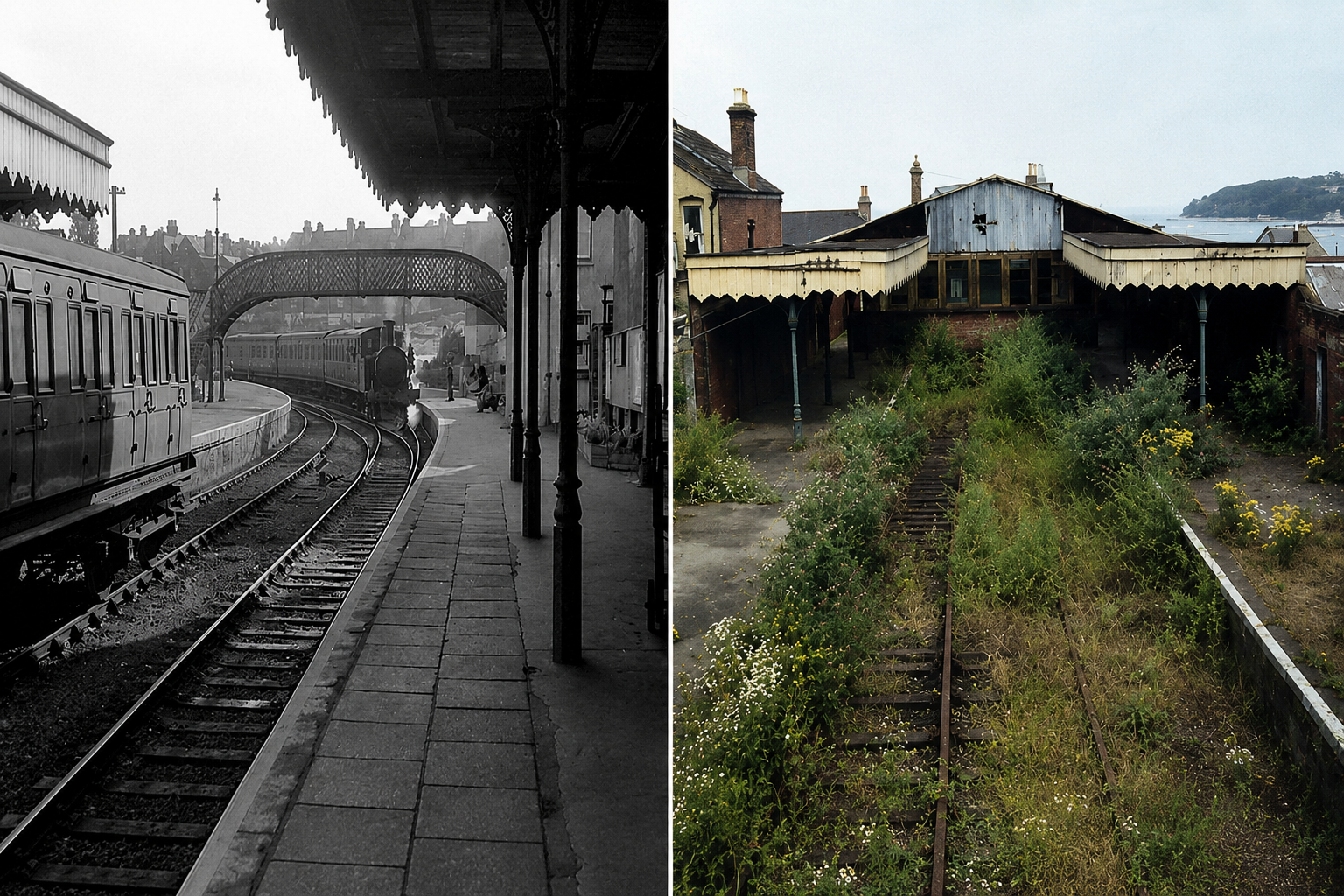
Many of Ventnor’s pubs were owned by Burt’s Brewery. These included Central Hotel (High Street), Hole in the Wall (Market Street), Terminus Hotel (close to the former railway station), Mill Bay Hotel (Esplanade), Volunteer Inn (Victoria Street) and Walmer Castle Inn (West Street).
Burt’s also owned a number of pubs further afield such as the Star Inn in Wroxall and the Hare and Hounds at Downend.
The Walmer Castle (West Street)
This inn, which was built in 1853 and named the Walmer Castle Inn in 1871, had a very strange history relating to its name.


While the Walmer Castle was in business, its walls were adorned with pictures of the Walmer Castle lugger and its misfortunes. She originally operated out of Walmer and was named the Petrel. Her role was to convey pilots to ships in the Channel. In 1878, she sank with all 6 hands.
The Petrel was salvaged, repaired and renamed the Walmer Castle. In 1892, the Walmer Castle again sank with all hands – but this time off Ventnor – where the crew members were washed ashore.
The Walmer Castle pub predated both the launching and sinking of the eponymous vessel.
The Walmer Castle (pub) closed in the 1980s and is now a private house.
The Crab & Lobster Tap (Grove Road)
The Crab & Lobster is said to be the 1st licensed inn on the Island.
In 1760, Ventnor was described as: “a few lowly huts, a quaint modest little inn, and a water mill.” The Crab & Lobster was the quaint modest little inn.
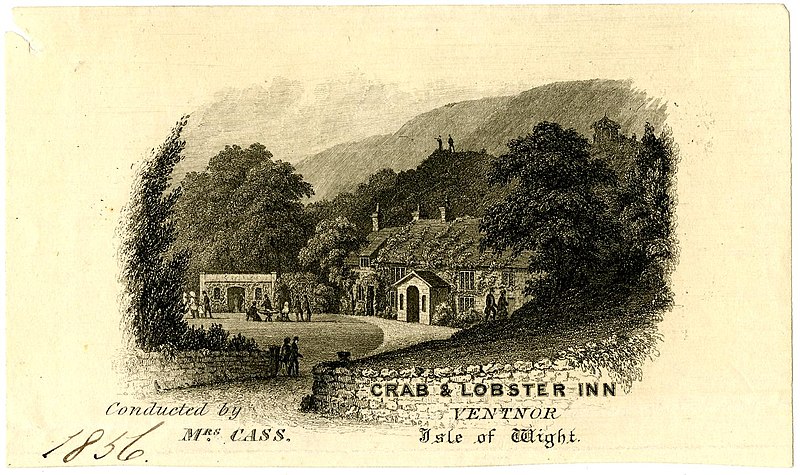
The original Crab & Lobster was thatched. King Charles I is reputed to have visited the inn during his time on the Island. However, this story is unlikely as the hostelry is not marked on a detailed map of Ventnor in 1729.
The ‘crab’ part of the Crab & Lobster name most likely comes from the annual Crab Fair that was held outside the inn, featuring wrestling and other festive events of bygone years.
The Crab & Lobster was originally the haunt of smugglers, fishermen and labouring folk. Its ambience has been described in the following verse:
“Where grey bearded and smiling toil retired
Where village statesmen talked with looks profound
And news much older than the ale there went round.”
In 1871, the Crab & Lobster Hotel was built next to the Crab & Lobster Inn, This then became the King Charles I Hotel in 1955. The hotel was badly damaged by fire in the 1980s and has now been converted into flats.
Happily, the Crab & Lobster Inn (or tap) remains to this day.
The Spyglass (Esplanade)
The Spyglass is a modern inn, having opened as late as 1988. The inspiration behind its moniker is that it was the name of the pub Long John Silver frequented in Treasure Island.
However, the Spyglass building has an interesting history as it is a renovated bath house.
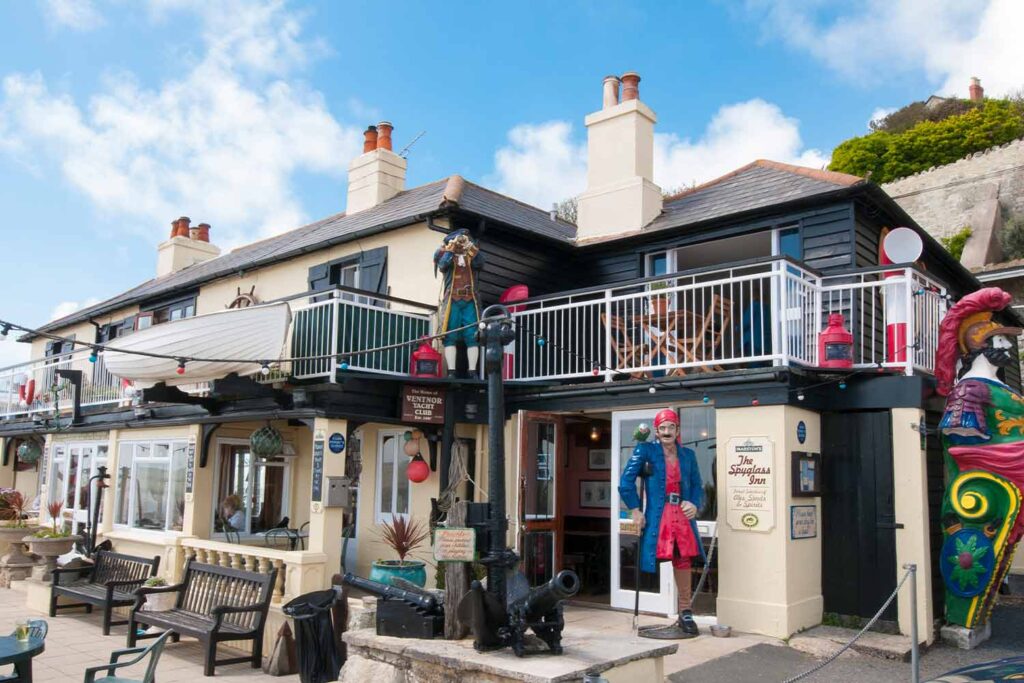
In Victorian times, salt water was believed to be a cure for everything from bruising to hysteria. After a dip in the sea, Ventnor visitors would enjoy a hot bath. The Bath House was built for patrons of Ventnor Hotel who would walk down the steep hill now known as Bath Road to get there.
The Blenheim (High Street)
The Blenheim dates from at least 1886. It was originally owned by Wine and Spirit merchant Frederick Corbould, whose name still appears on the mosaic threshold of the front entrance. Below ground, there is an extensive range of cellars, – once used as wine vats – and and a deep well.
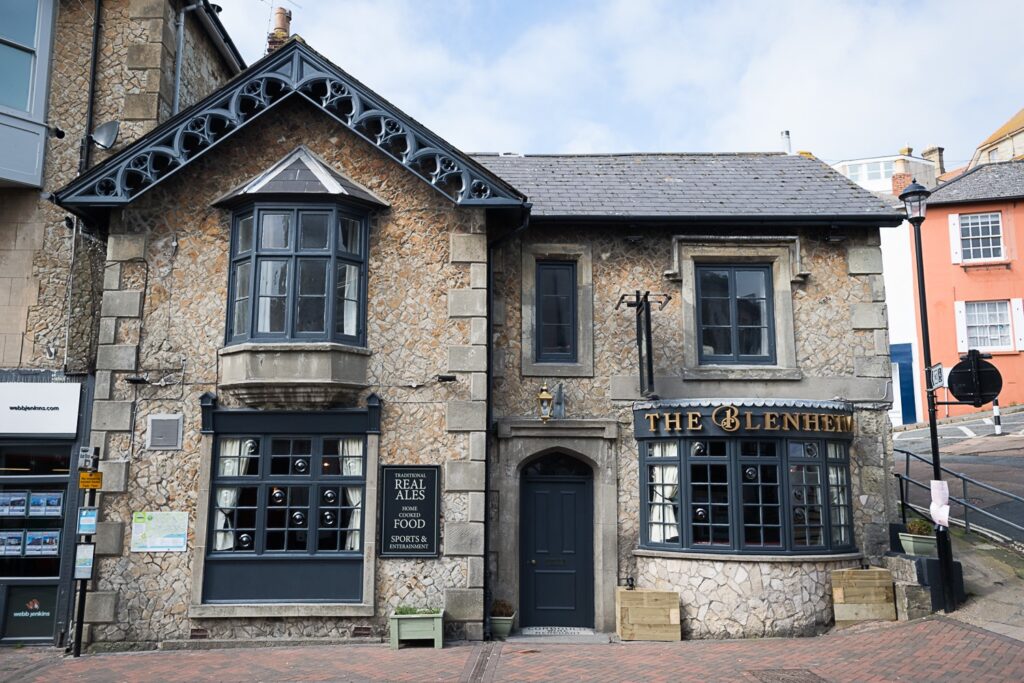
Blenheim’s heyday was in the mid-20th century when it was taken over by another wine merchant – Smeeds. In Smeeds’ days, there were 4 bars. The ground floor was known as No. 10 Downing Street. The back bar was called the Birdcage and was patronised by the ladies. Upstairs was the Bathing Machine with room for 6 standing customers. Finally, there was Sods Opera, named after the Sandown Operatic and Dramatic Society, who sometimes performed at the Winter Gardens.
No. 10 was popular with local businessmen, and it was said that most of Ventnor’s business was conducted there. Up until the 1960s the affairs of the nation would be discussed at No.10 by a group known as the Cabinet. The members of the Cabinet were: Prime Minister Tom Watson; Foreign Minister Zuber (owner of the Swiss Cafe); Chancellor of the Exchequer Fred Smith of the Prudential Assurance Company.
Sadly, we have only had the space and time to cover 4 of Ventnor’s 23 current and former hostelries.
No doubt, many of the remainder will be given the prominence they deserve in future series of Isle of Wight pubs…






Yes please – more please, and also tell us about the other 19 hostelries in Ventnor.
fascinating, more please. Is there any way of finding out more of the Ventnor pubs/inns.
Very grateful to author of the series, so please any additional info would be most welcome to Islander.
Spyglass 1988?.
I’m sure I remember it before then?
Mandela Effect?
The owner certainly wasn’t coloured, are you sure you are thinking of the right pub?
Not funny and offensive
Agree, same here. Like monopoly guy’s moustache .. 😉
Congratulations Mr Whitmore on another fascinating and well written series. More please!