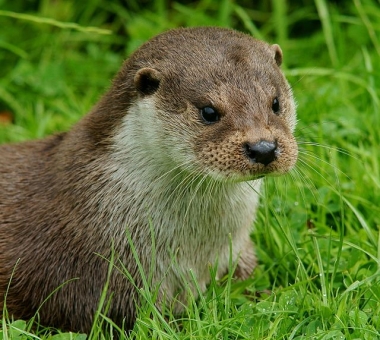
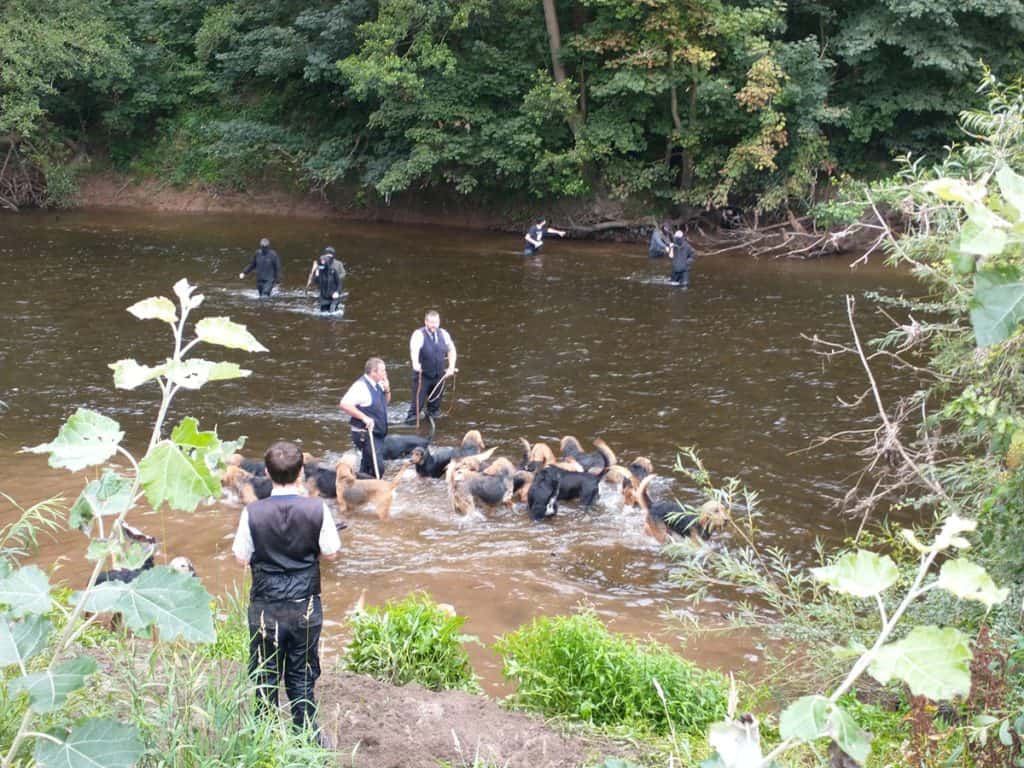
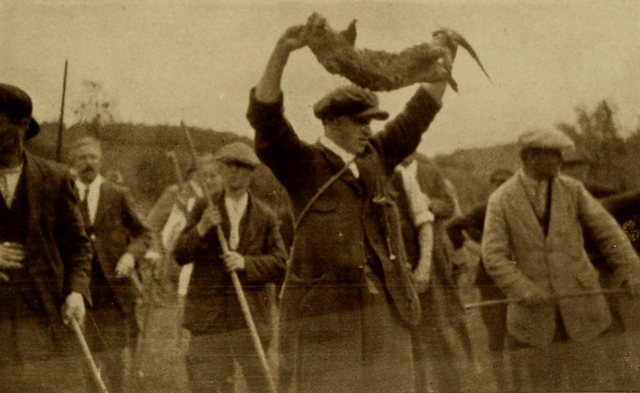
Photo: Peter TrimmingIn the 2nd part of Isle of Wight fauna, Island Echo examines the much-loved otter. Otters have always been present on the Isle of Wight. It is believed they are capable of swimming from the mainland. Otters recorded as being present on the Isle of Wight in previous centuries include an otter and 2 cubs killed at Apse Heath in 1825, further sightings of otters in Alverstone and Shanklin Chine in 1837, and reports of otters being shot at the same locations – Alverstone and Shanklin Chine – in the late 19th century. However, from the 1950s until around 4 years ago, otters were thought to have been absent from Isle of Wight rivers, although 1 was apparently spotted in Newtown in 1996. In July 2020, otter activity was reliably reported on the Eastern Yar. Today, the otter is protected under the Wildlife and Countryside Act of 1981. It is a Priority Species under the post-2010 Biodiversity Framework. However, Isle of Wight otters have not always been so fortunate. In the early years of the 20th century, the aquatic mammals were mercilessly hunted by the infamous Courtney-Tracy otter hounds from Wiltshire, who made regular trips across the Solent to hunt them for ‘sport’. Courtney-Tracy Otter Hounds in 21st century Image: hunt saboteurs The Courtney-Tracy pack was just 1 of 21 packs throughout the UK. It is still in existence, although in the present day it hunts invasive mink. At the time they hunted on the Island, it was claimed that otters did great damage to the low-lying land around Bembridge. A contemporary newspaper report describes the visit of the Courtney-Tracy pack to the area around Brading Haven in 1935. The hunt started at St Helens floodgates and – watched by a crowd of 200 – set off towards Bembridge. After a hunt lasting an hour, an old bitch was caught, weighing 15 pounds. 2 further otters were chased by the hounds. Its head was presented to a Mrs Francis Mew. The last newspaper report of an otter hunt on the Isle of Wight is dated 1953. An otter kill In the 2nd half of the 20th century, otters were pushed to the brink of extinction and almost disappeared from rivers and waterways in England. However, since efforts have been made to improve water quality and ban the use of pesticides such as DDT, their numbers have increased, including in Hampshire and the New Forest. A few have apparently made their way across to the Island. The presence of otters is a sign that the local ecosystem is healthy. This century, the farmers and landowners of the East Yar Project Group have worked to restore the river. It’s worked… In the summer of 2020, surveys revealed that the otter had returned to the Yar. Andy Rothwell – who carried out the survey – claimed:
“It has been a very special delight to discover that an otter has explored much further inland than we have found before and reached the Eastern Yar. “I have surveyed the river several times in the last 17 years and always thought that it should easily be able to support otters, but found no evidence of such activity, until now. “Otters are slow breeders so any increases may not be confirmed for many years to come. “However, with continued support and work on both sides of the Solent, the Isle of Wight could very easily become a mainstay for this endearing and enchanting riparian mammal.”
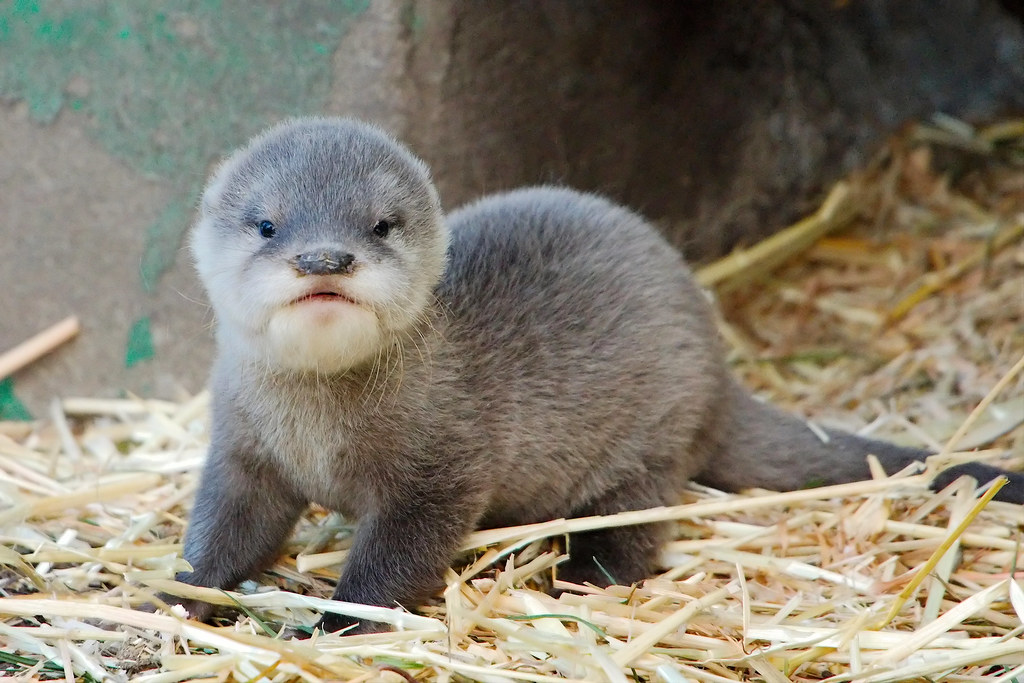
A baby otter The Lead Officer for the Isle of Wight Area AONB and Isle of Wight Mammals Recorder, Richard Grogan, added:
Article continues below this advertisement
“We are extremely pleased with this unexpected result of the work carried out by both the east Yar Project Group and partners in the river and the surrounding areas. “Whilst we cannot confirm that the otters are resident and breeding, it is a situation that we will continue to monitor. Otters last bred on the Island in the 1950s.”
The Chair of the East Yar Project Group, David Brown, said:
“We are pleased that the work we have done on the river has brought this much-loved mammal back to the Island. “We wait to see if a population becomes established or whether these sightings are just a very adventurous individual.”
Was the otter(s) that made their presence felt on the Yar 4 years ago a resident or merely an adventurous mainland visitor? To spot an otter, you should look for the following signs:
trampled vegetation on the water’s edge, especially a circular gap in reeds where otters slip into the water
spraint (otter droppings). Otters mark their territory with this. It may contain what has been on its menu, such as fish and frog bones. Oddly, it has a pleasant smell akin to jasmine tea.
pawprints: these are distinctive, being two inches wide, 5-toed and webbed.
sightings: otters are fast and only their heads show above the water. The best chance of spotting them is at the edge of reedbeds, where they often hunt. When it dives for fish, it leaves a trail of bubbles.
If you have seen an otter (or signs of its presence on the Island) let us know in the comments…
Thank you for a very informative and interesting article. Will definitely look out for these intriguing creatures on my walks. If anyone is lucky enough to capture a photo I suggest it may be wise to give only scant location, as vile people have sadly not become an endangered species here
Geoff Dean
2 years ago
I spotted one some time ago and reported it, but the chap was obviously having a bad day and told me I was wrong as there are none on the Island!
ISlander
2 years ago
Ah, the good old days, when honest folk could persecute wildlife with impunity.
Not like today when the woke brigade force us to breed out own animals to hunt or shoot clay frisbees.
You made the mistake of using irony, I’m afraid. Getting it requires intelligence, and that is very obviously lacking around here.
Steve
2 years ago
I’ve seen no water otters, plenty of old boilers to be found though, especially around the bus station after dark.
fedup
2 years ago
It’s a shame nobody tells the packs of otter hounds and their “we are above the law followers”it is protected and takes animal welfare supporters to stop them!.












































































Thank you for a very informative and interesting article. Will definitely look out for these intriguing creatures on my walks. If anyone is lucky enough to capture a photo I suggest it may be wise to give only scant location, as vile people have sadly not become an endangered species here
I spotted one some time ago and reported it, but the chap was obviously having a bad day and told me I was wrong as there are none on the Island!
Ah, the good old days, when honest folk could persecute wildlife with impunity.
Not like today when the woke brigade force us to breed out own animals to hunt or shoot clay frisbees.
You made the mistake of using irony, I’m afraid. Getting it requires intelligence, and that is very obviously lacking around here.
I’ve seen no water otters, plenty of old boilers to be found though, especially around the bus station after dark.
It’s a shame nobody tells the packs of otter hounds and their “we are above the law followers”it is protected and takes animal welfare supporters to stop them!.