
















































 Island Echo examines the myths, legends and history surrounding the iconic standing stones located above the hamlet of Mottistone.
The Longstone gives its name its name to the nearby hamlet, which is a combination of moot (Anglo Saxon meeting place) and stone. Coincidentally, 3 other nearby villages and hamlets share ‘stone’ in their names: Limerstone, Brighstone and Hulverstone.
It is currently believed that the stones form part of what was a 6,000-year-old Neolithic communal barrow for burying the dead. The deceased were laid out for birds and animals to feast on before their bones were buried in a chamber and the earth heaped over them into a mound.


Neolithic people are said to worship the sun and the moon, which is why the barrow associated with the stone was aligned in an east-west direction.
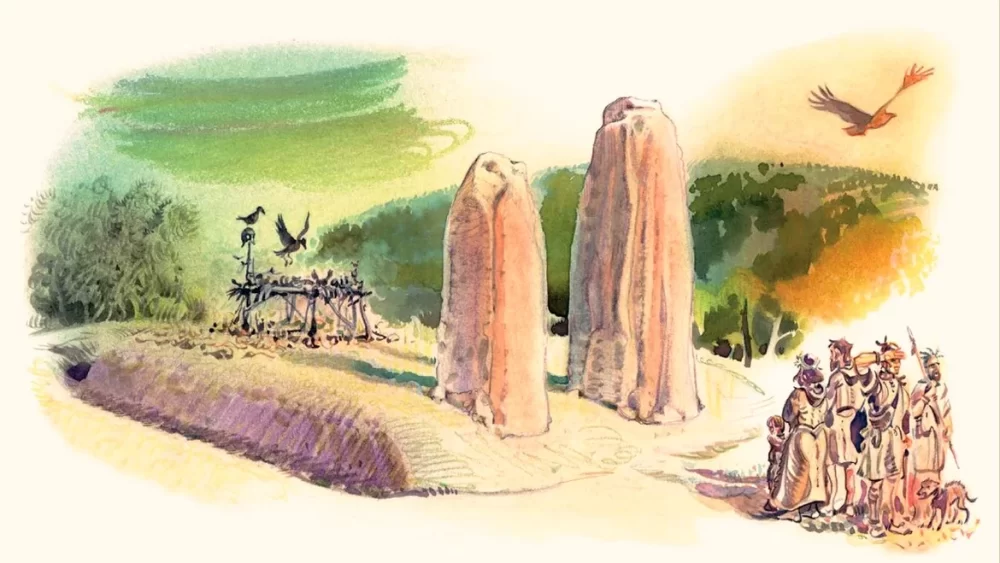
The current Longstone is little more than a shell of the original monument. The original long barrow is believed to have remained close to its prehistoric state until the 18th century when it was destroyed to make way for a quarry.
It has also been suggested that the stones were relocated during the Saxon period. In the 19th century, Lord Dillon – a local landowner – had the stones dug up in the hope of finding buried treasure but discovered nothing of value.
What of local folklore associated with the stones? The National Trust website states:
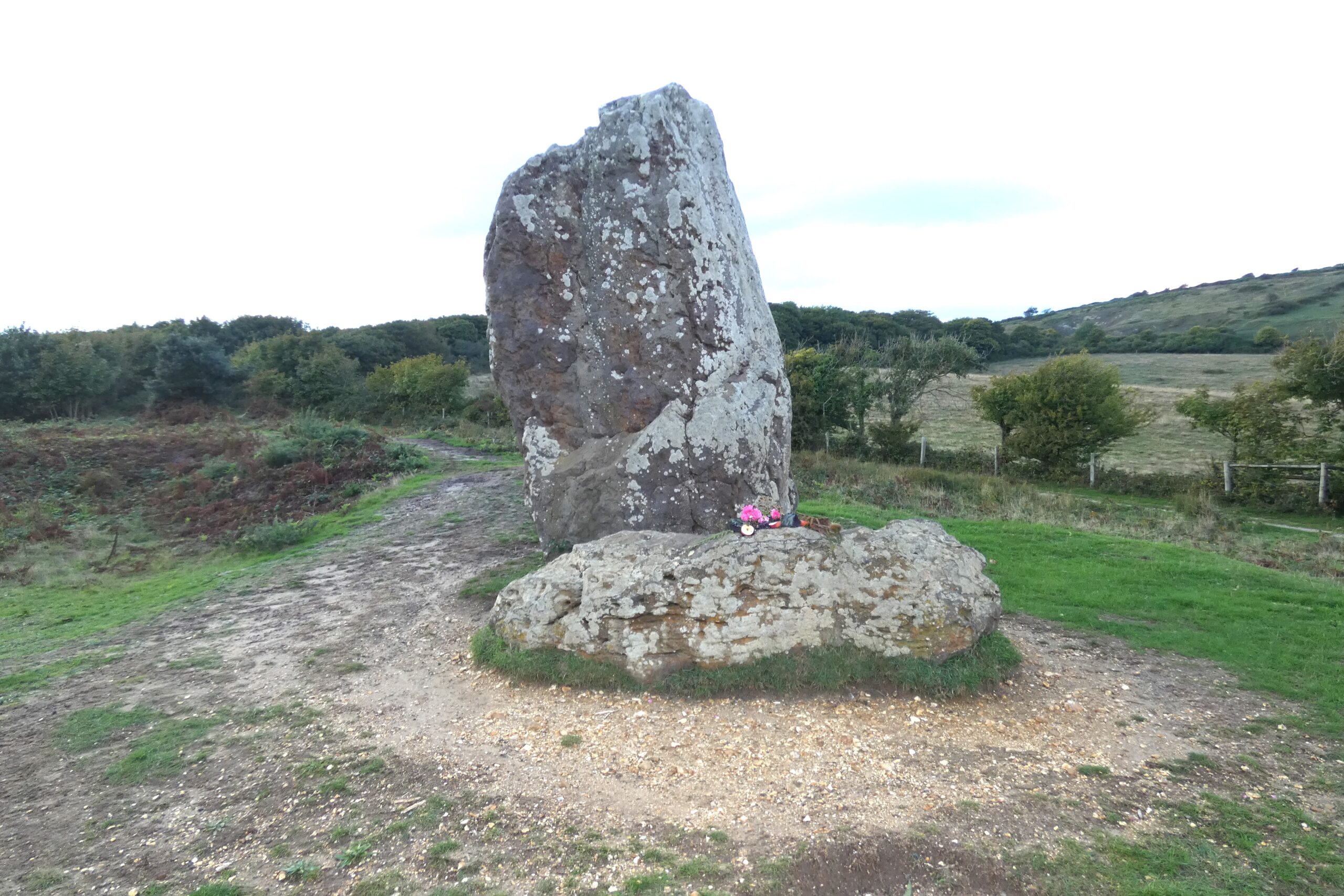
“Legend has it that St Catherine and the Devil had a contest to see who should control the Isle of Wight. The Longstone’s tall iron sandstone pillar was supposedly thrown by St Catherine from the Down to the east which bears her name.
Article continues below this advertisement “At over 4m high and 2m wide, this was a mighty feat indeed. The Devil’s smaller stone (a mere 2.9m high and 1.2m wide) fell short and he lost the wager. The final resting place of the stones – St Catherine’s dominating the recumbent smaller stone – is said to symbolise the triumph of good over evil.”

There are other versions of this tale: that the contest was between the devil and a giant or between St Catherine and a giant.
In history, there is speculation that the Longstone was the meeting place of druids. In the book Haunted Britain by Antony Coxe, it was suggested that the druids would sacrifice white bulls at this very spot.
In Roman times, it has been claimed that the Longstone was used as a Roman temple of the cult of Mithras, which also involved bull sacrifice. It is known that there was a Roman villa in nearby Brighstone.
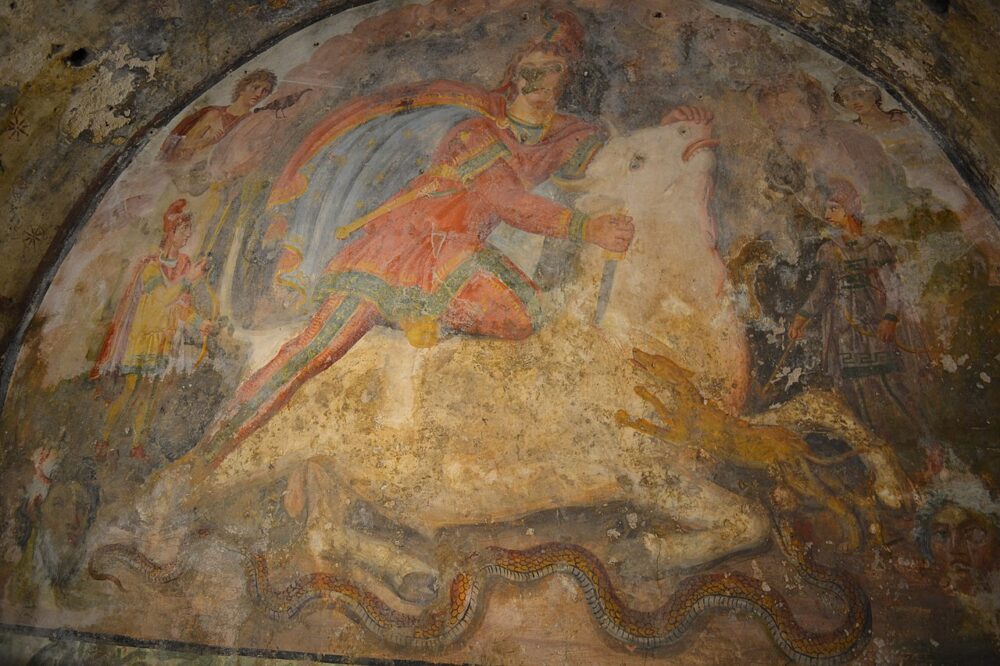
There has been further (perhaps fanciful) speculation that the smaller flat stone was used for witchcraft and human sacrifice. However, it should be pointed out that the smaller stone was in likelihood vertical in the past, having been displaced by Lord Dillon in the 18th century.
It is therefore unlikely that the flatter of the stones was once used as a sacrificial altar. Fortunately, white witches are said to have ritually cleansed the site of its evil aura.
The Longstone is currently used by local Island druids to celebrate solstices and equinoxes. The Celtic festival of Samhain – marking the end of the harvest season and the beginning of the dark and cold months of winter – is commemorated here.
When we photographed the site in September of this year, flowers had been left by (presumably by local pagans as part of a ritual dating from prehistory).
The site of the Longstone does not meet with the approval of all. In 2007, the larger stone (allegedly thrown by St Catherine) was defaced with a white Christian cross.
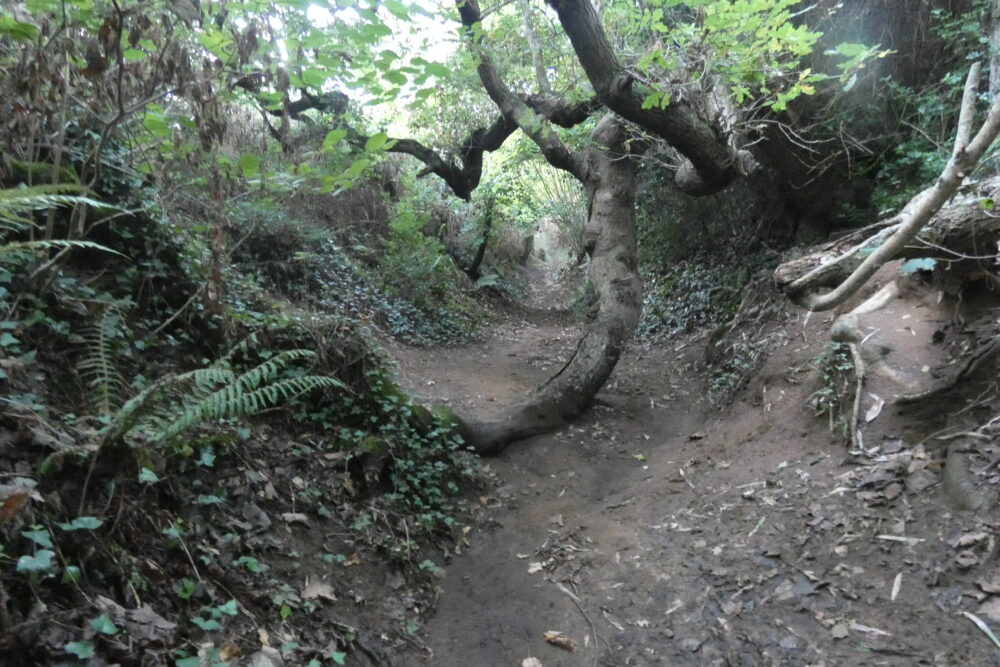
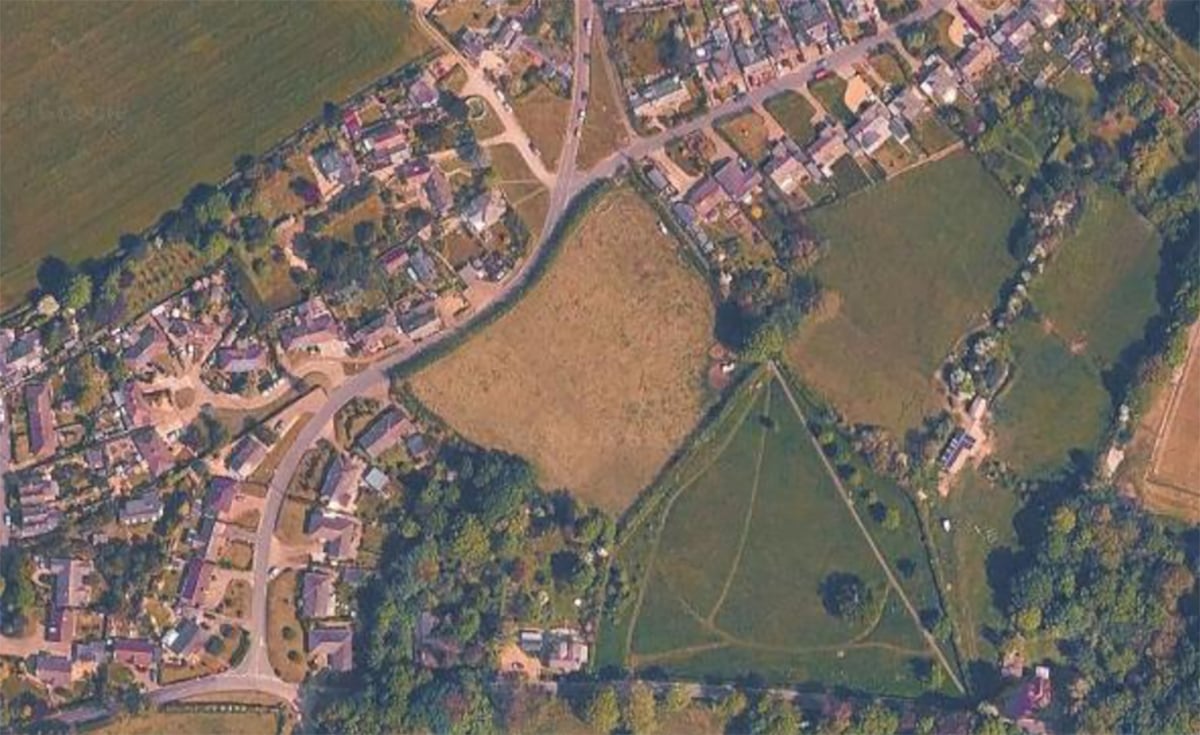
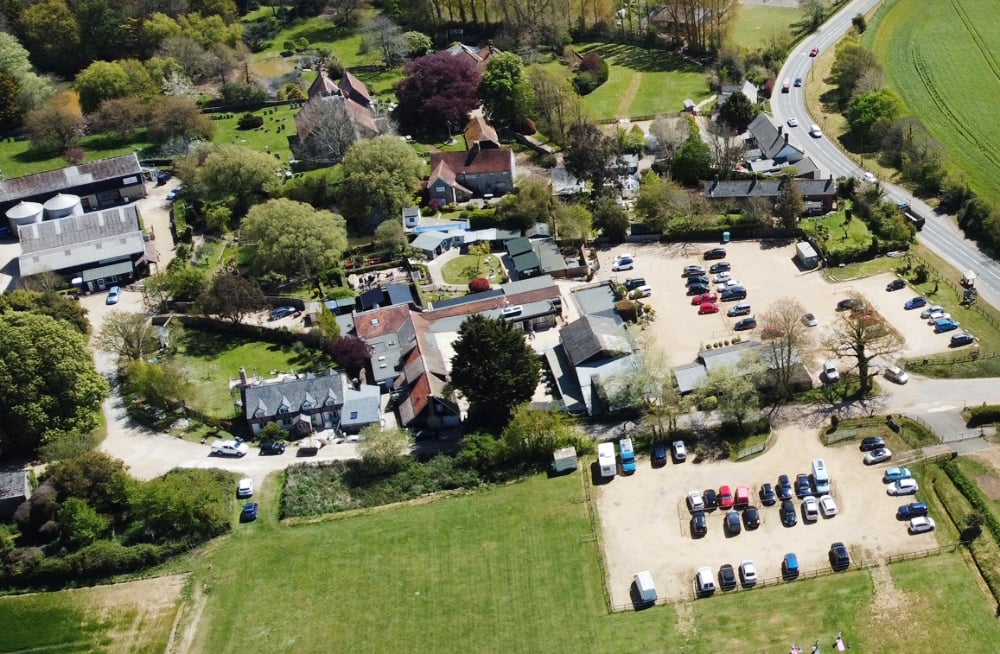
The area surrounding the Longstone is easily accessible and open to the public. It is owned by the National Trust. There is a car park in nearby Strawberry Lane with a footpath leading to the prehistoric sacred stones.










Really enjoy these history snippets, better than reading some of the daily news!
Interesting theories over the origin and meaning of the Longstone. However my theory is that the Mottistone site was originally bookmarked to be the original Stonehenge location. After transporting just a couple of stones from the mainland, they soon realised nobody could afford Red Funnels extortionate prices to cross the Solent.