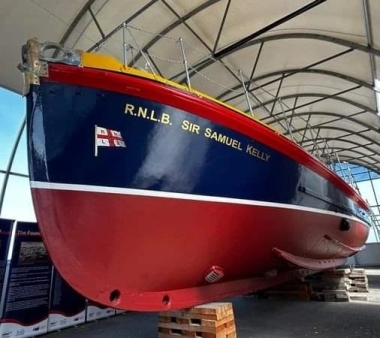
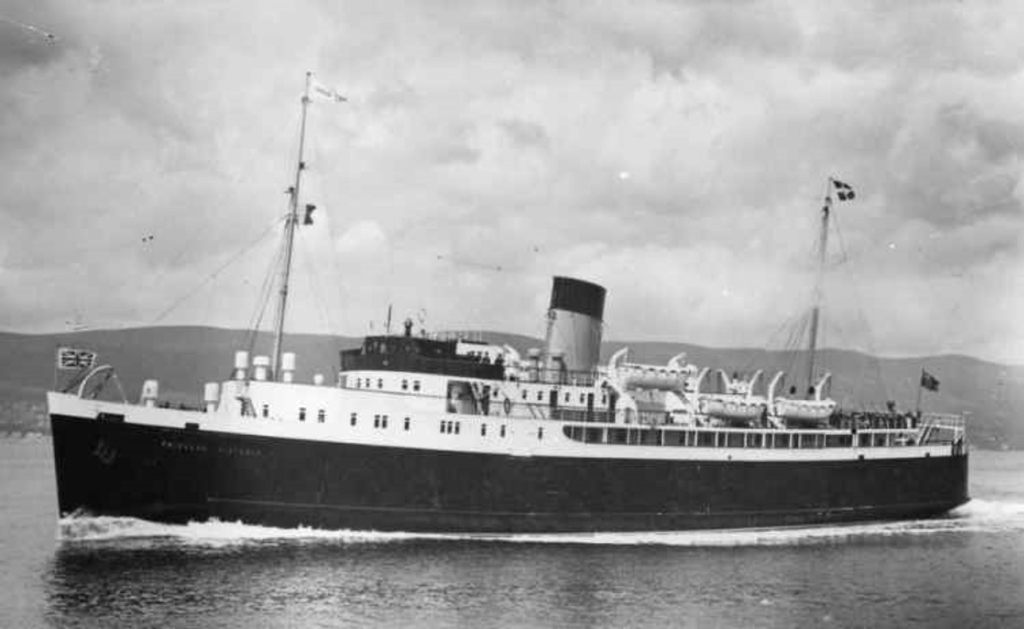
Sir Samuel Kelly lifeboatMedina Bookshop in Cowes will be hosting a fascinating talk by Liz Barron about the Island’s connections with a tragedy in the Irish Sea over 70 years ago on Wednesday (15th May). The loss of the Stranraer/Larne car ferry the Princess Victoria in a storm-lashed Irish Sea more than 70 years ago has surprising resonance on the Isle of Wight today. The disaster–the worst in UK waters since the Second World War–claimed 133 lives. Among the lost was Sir Walter Smiles MP, much loved grandfather of Bembridge resident Lady Sally Grylls who was 11 years old when the ferry foundered on 31st January 1953. Only 44 people survived the wreck–33 of them rescued by the Sir Samuel Kelly Lifeboat and her courageous crew from Donaghadee, County Down. The ‘Kelly, a Watson Class Lifeboat, was built in Cowes in the Samuel White and Co. boatyard. Speaker Liz Barron is a former TV executive and now an outreach officer for Donaghadee Heritage Preservation Company, Northern Ireland which houses the Island built lifeboat. The event takes place at 19:00 (doors 18:45) on Wednesday 15th May, tickets are £5 and can be purchased from Medina Bookshop direct or by phone (01983) 300044, or from their website Talk by Liz Barron: The MV Princess Victoria Disaster: The Isle of Wight Remembers – Medina Book Shop. Spaces are limited so booking is essential. MV Princess Victoria
Yes, a plucky looking crew but only one youngster. Most old photos seem to show more elderly members. Maybe it was the mortality rate of lifeboat crews back then? They wouldn’t have had the modern survival training of today. Plus, 1953 was only eight years after World War II where many fit, young men lost their lives and it takes time to regenerate population growth? Whatever the reasons, these courageous old boys deserve much credit as they stood up to the mark when it mattered.


















































In the photo most of the life boat crew look middle aged or older very brave men
Yes, a plucky looking crew but only one youngster. Most old photos seem to show more elderly members. Maybe it was the mortality rate of lifeboat crews back then? They wouldn’t have had the modern survival training of today. Plus, 1953 was only eight years after World War II where many fit, young men lost their lives and it takes time to regenerate population growth? Whatever the reasons, these courageous old boys deserve much credit as they stood up to the mark when it mattered.