






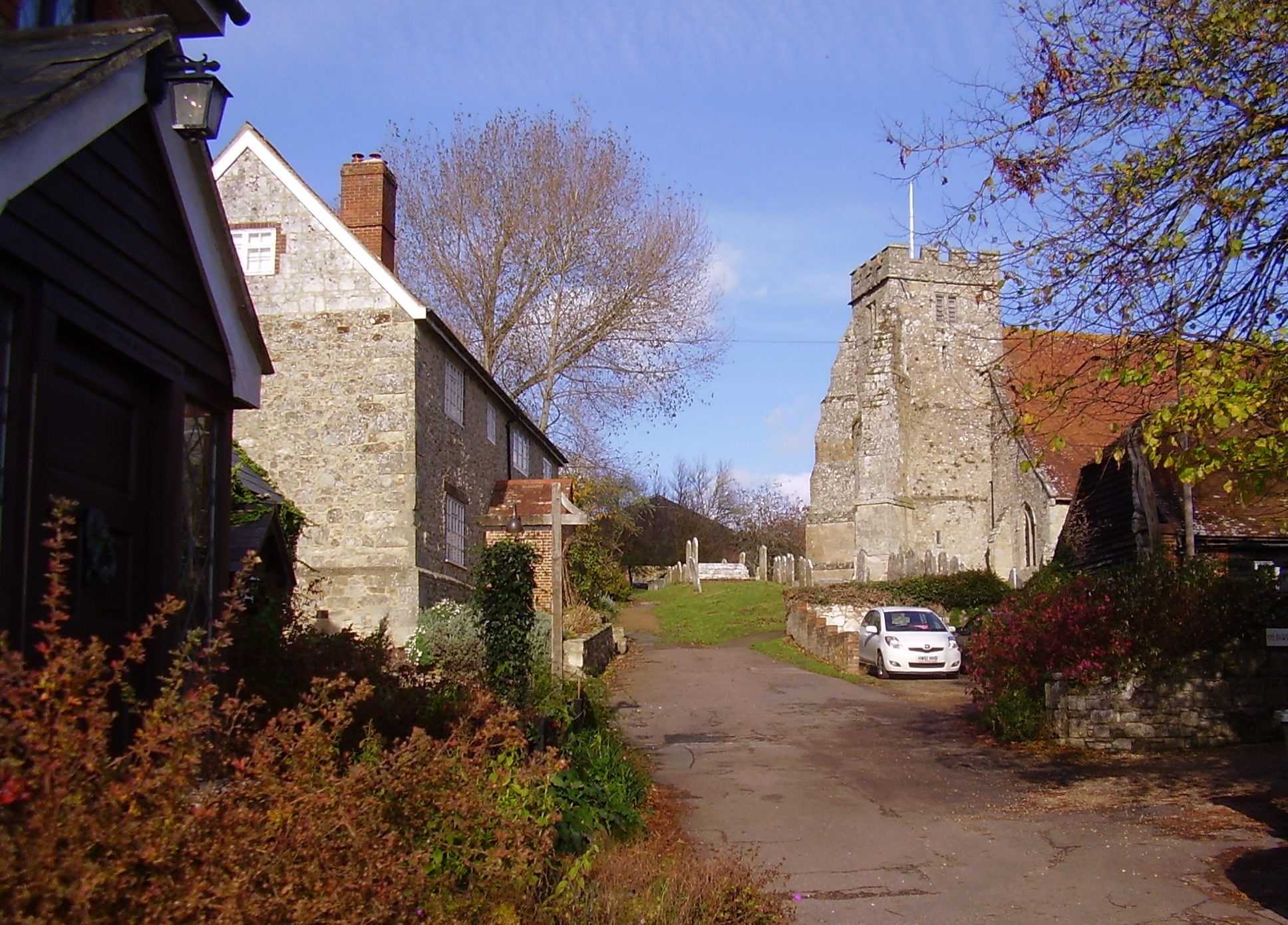

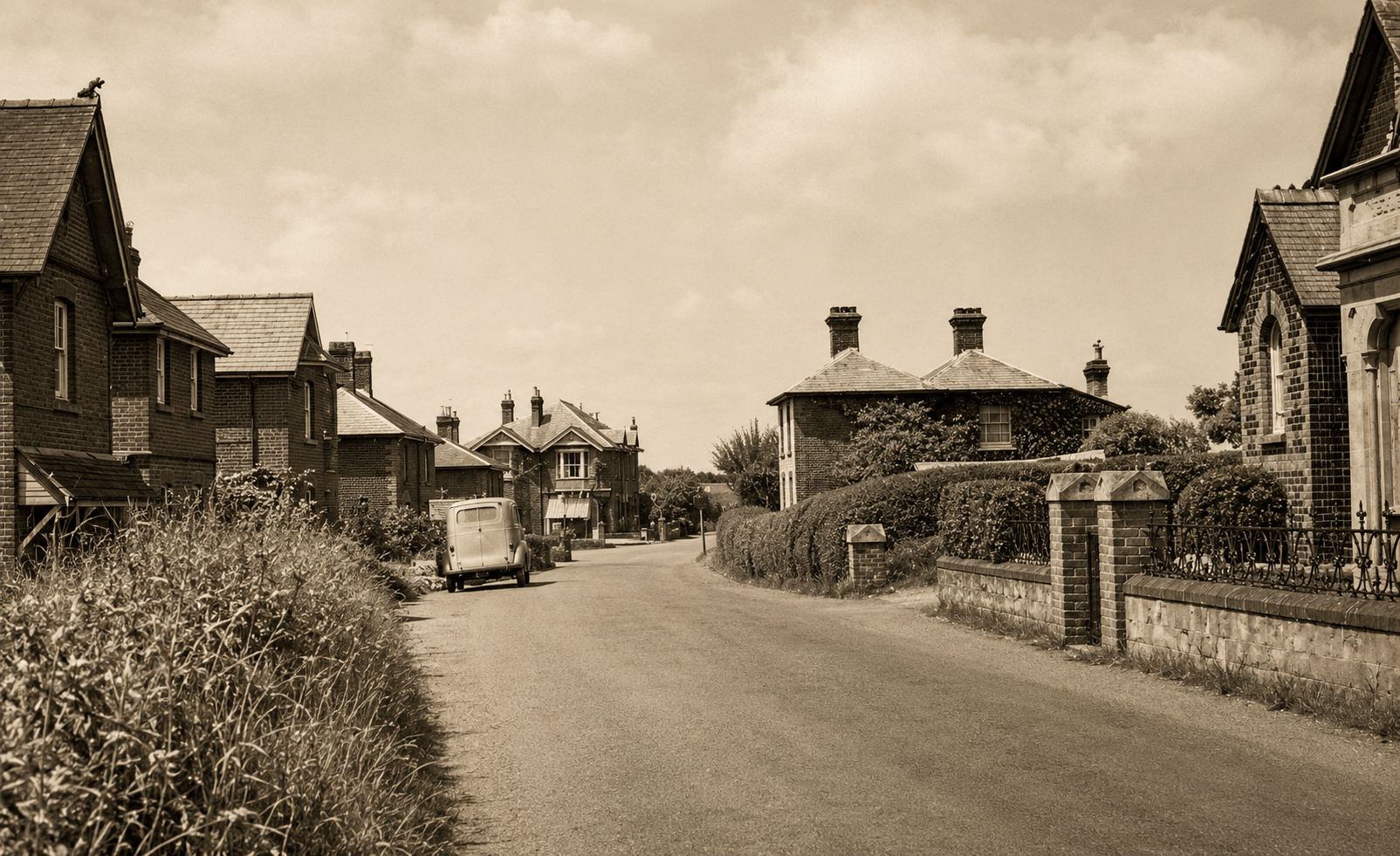























Northwood – which until the start of the 20th century was an agricultural community and mainly consisted of fields – once boasted 4 pubs, 2 of which happily remain to this day. The village – which has also been spelt Northwede and North Wode – at one time was a wooded area extending from the Medina to Newtown, to the north of Parkhurst Forest. The name ‘Northwood’ has been used since 1364. It became a separate community to Cowes in 1894 when the town to the north was taken out of the parish of Northwood. Before the 20th century, most of the land in the area was owned by the wealthy Ward family, owners of Northwood House (hence Ward Avenue). In the late 19th century, the buildings of Northwood consisted of 4 blacksmiths and 4 brickworks, together with the local farms. There were 3 little clusters of dwellings: Chawton Lane (around the church), Tinkers Lane (now Pallance Road) and Furzyhurst (near the school). The 20th century bought industry to the area, with Somerton Airfield being built in World War I, Vectis Bus company putting its base there in the 1920s, the production of Enfield electric cars in the 70s, and BAE Systems today (previously Decca Radar, Plessey Radar and Siemens). Northwood’s sparse pre-20th century rural population of no more than a few hundred required as many as 4 pubs to satiate their thirst; today’s 2,000 plus suburban residents – together with the parishes’ industrial workers – need only 2.
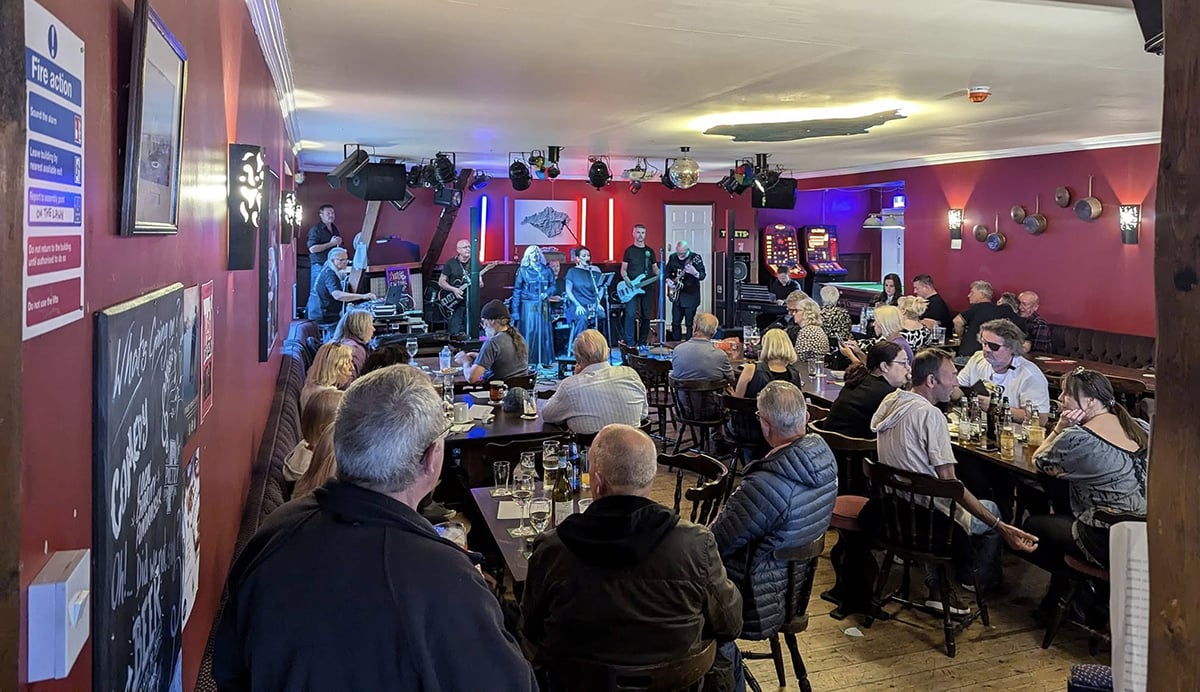
Horseshoe Inn (Newport Road)
This pub has been the centre of village life for at least 3 centuries. Before the suburbanisation of the countryside around Northwood, it was the only building in its vicinity, dominating the landscape. It is the oldest non-secular building in Northwood unconnected with agriculture. It has continuously served the local community since at least 1729. 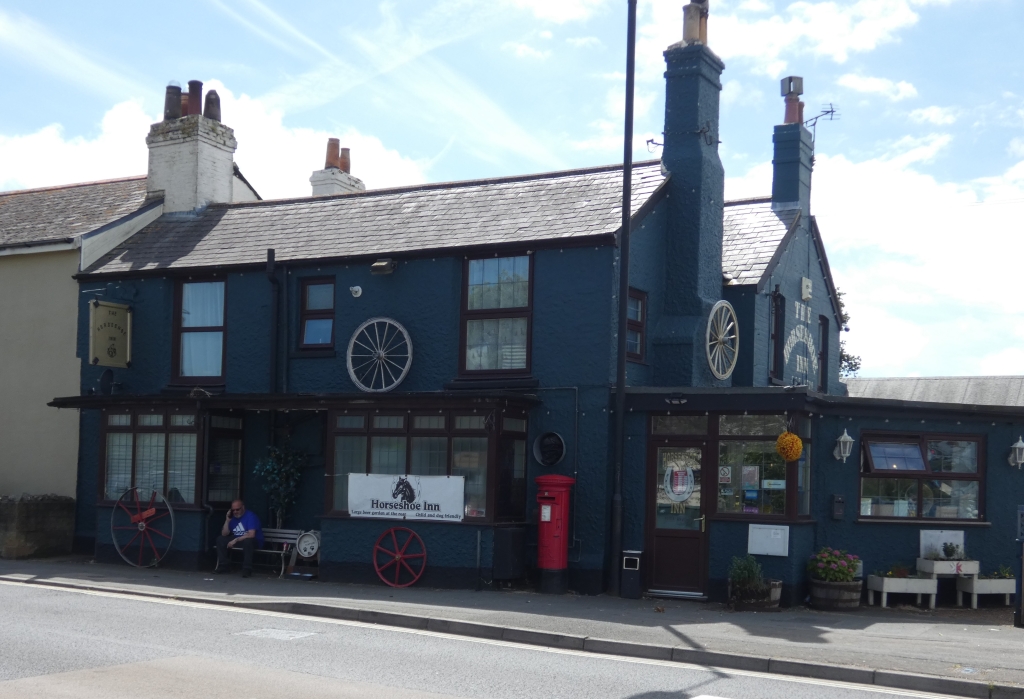
Travellers Joy (Pallance Road)
The Travellers Joy dates back for over 2 centuries. Pallance Road was once known as Tinker’s Lane, and the alehouse served thirsty travellers and tinkers crossing the Luck on their way to Newtown (once a thriving port). 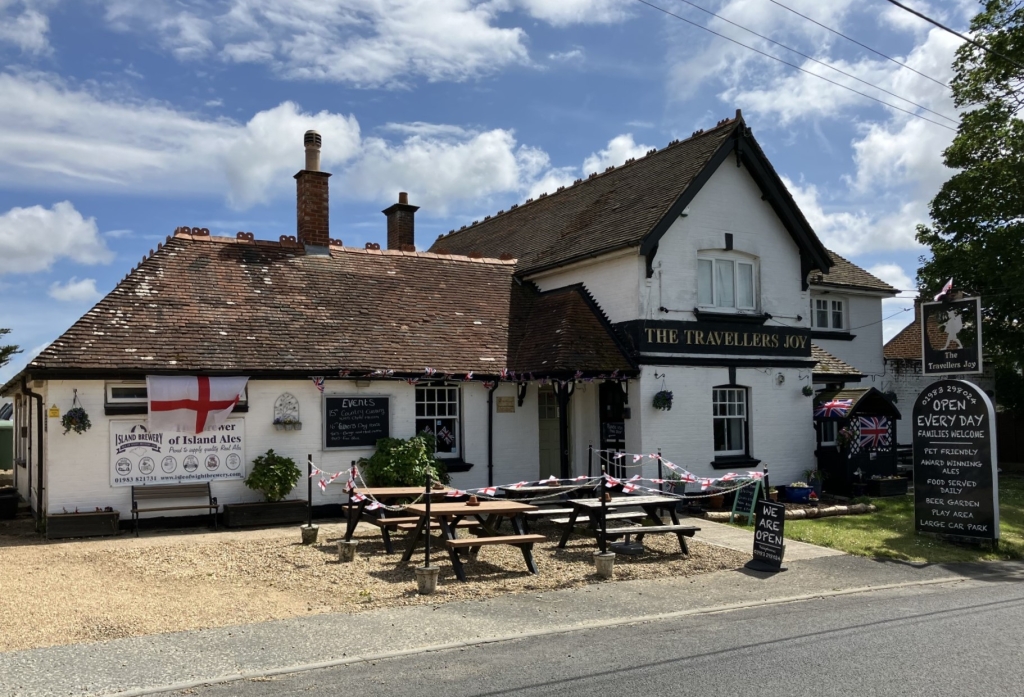

Flower Pot (Newport Road)
The Flower Pot was built in 1699, although it is not known when it first became a pub. However, the building was selling alcohol at the start of the 19th century. The former pub had a chequered history. In 1885, the landlord – William Marshall – got into trouble for selling beer during prohibited hours (10:45 in the morning). When a Police Constable came to investigate, Marshall attempted to offer him a £1 bribe not to report this. The landlord was fined £2 with 9s costs and lost his license. 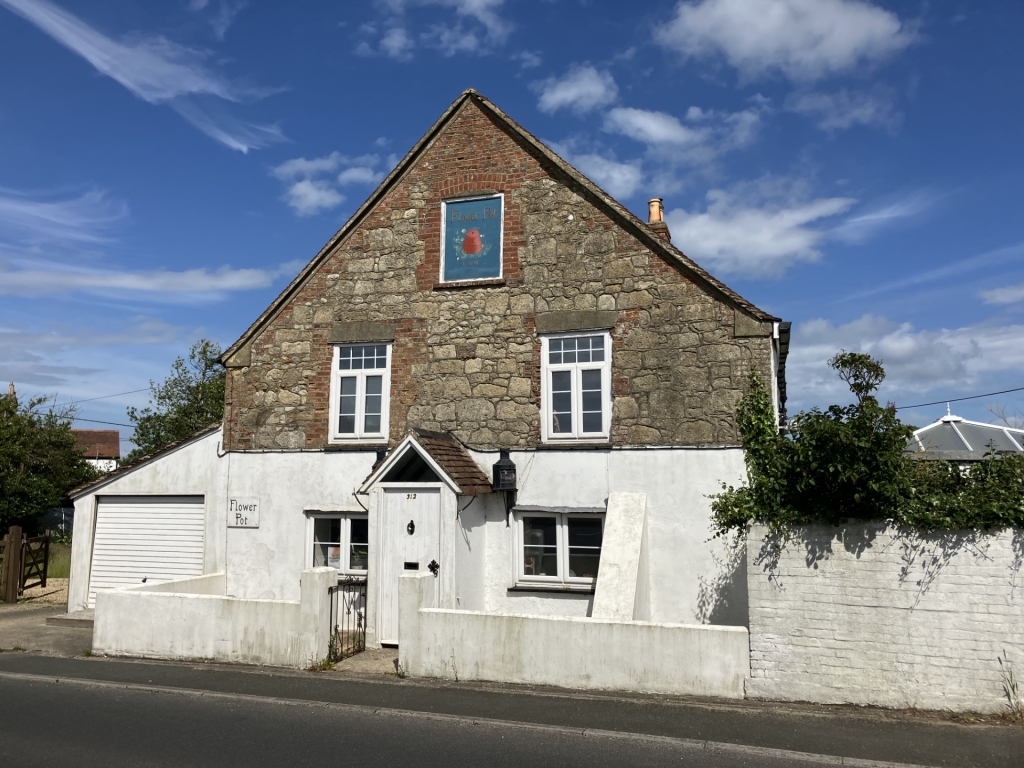
Malt & Hops (Newport Road)
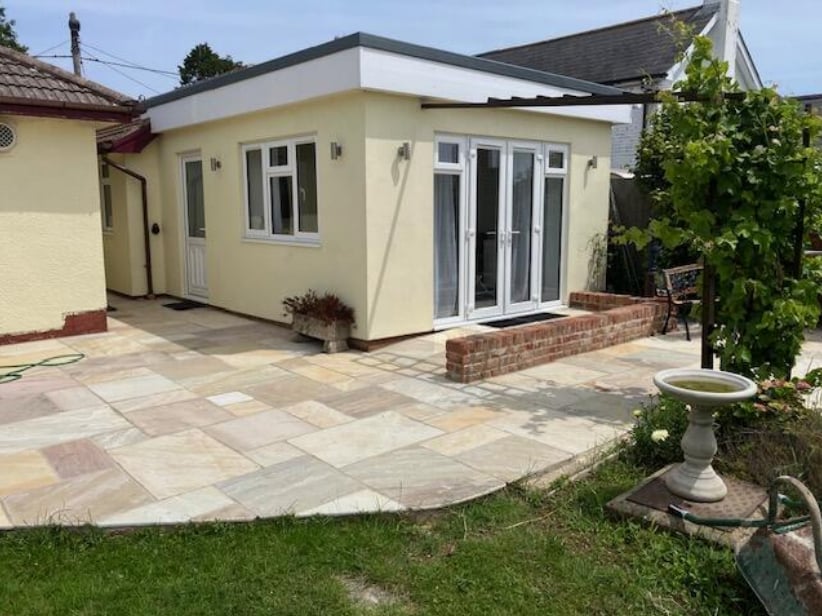
The Malt & Hops – standing on a bend and backing onto BAE systems – was a pub in the early 19th century. It is currently known as Myrtle Cottage. 
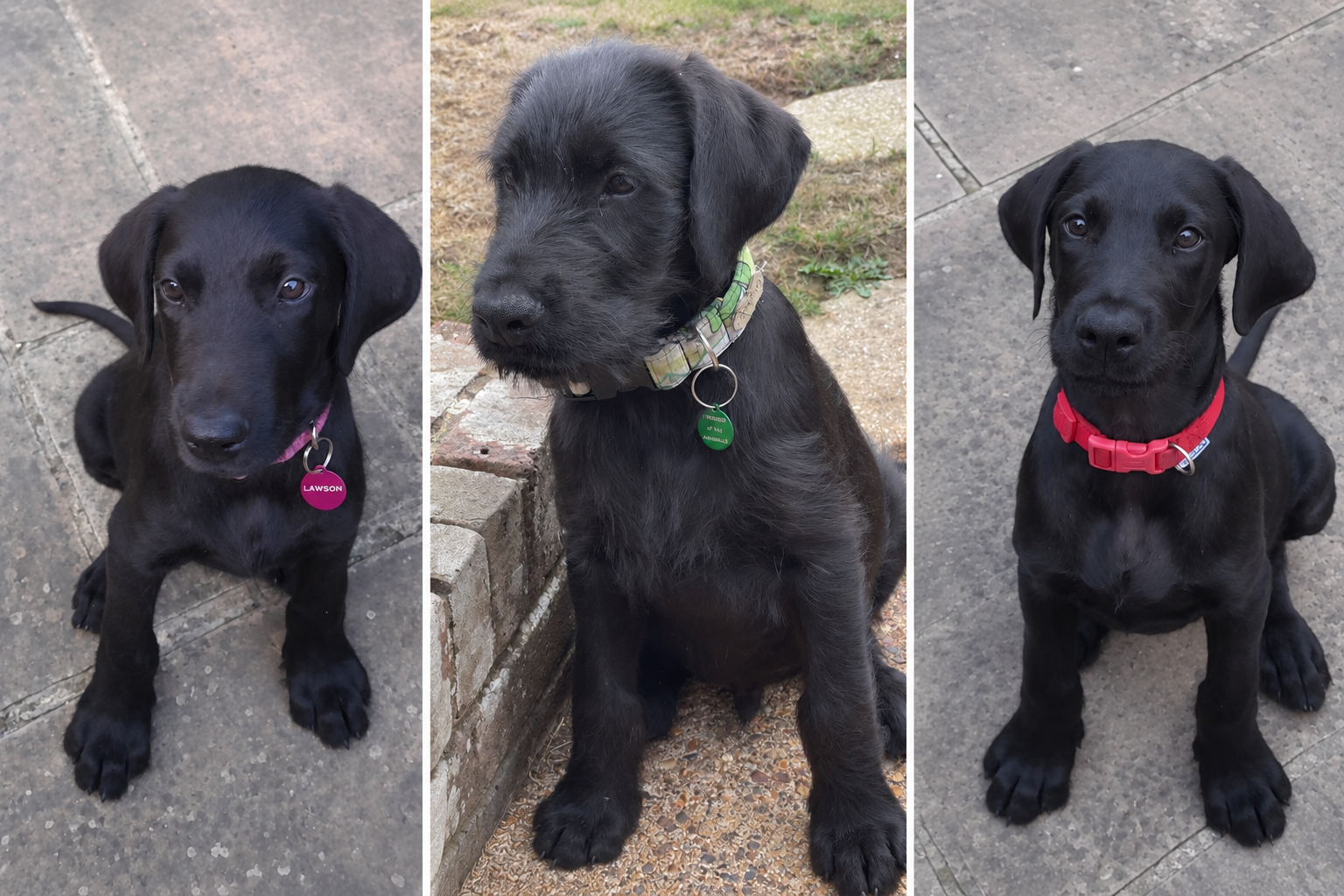





Another fascinating feature, love the photo of the ‘camera shy’ dog !
I think the dog’s name is ‘Tiny’ and was owned by gramp and nanny Harwood, my grandparents.
Not sure what Nigel would have thought about being described as a hippy commune in the 1960s – Ha ha !!
love these articles.
More please.
nb. Siemens not Seimens.
Also Plessey
My Great Grandfather George Edward Cook in the 1891 census under occupation is: Mariner and the Publican of the ‘Flower Pot Inn’. His wife Jane and their 3 children are also living at the Inn.
Great times at Myrtle cottage when owned by Nigel