






































































This guide is designed to provide you with comprehensive and reliable information about peptides, a fascinating group of molecules that play an essential role in many biological processes. We’ll delve into the basics, explore their wide-ranging applications in health and medicine, and address safety considerations to ensure that you are well-informed. Whether you’re a student, health professional, or simply an interested individual, this guide aims to demystify peptides.
Understanding the Basics
Peptides are short chains of amino acids, the building blocks of proteins. They differ from proteins in size, with peptides typically consisting of 2-50 amino acids and proteins containing more than 50. These molecules are found naturally in all living organisms and serve a multitude of functions, including signaling, hormone regulation, and enzyme activity. Peptides can be classified into different categories based on their origin, structure, and function. For instance, there are endogenous peptides that are produced within the body and synthetic peptides that are created in a laboratory setting. Some peptides also have specific functions, such as antimicrobial peptides that protect against pathogens. The folks at https://www.peptides.org/peptide-dosage-calculator/ note that there are many online tools and resources available to help you determine the appropriate dosage for specific peptides. This is important because each peptide may have a different recommended dosage based on its purpose and potency.
The Biological Significance of Peptides
Peptides play a vital role in many biological processes, making them important components in our overall health. They act as messengers, transmitting signals between cells and organs, allowing for proper communication and coordination within the body. Peptides are also involved in regulating various functions such as metabolism, immune response, and tissue repair. In addition to their physiological roles, peptides have gained much attention in the medical field for their potential therapeutic applications. For instance, peptide-based drugs have been developed to target specific diseases such as diabetes, cancer, and cardiovascular conditions. These drugs can be designed to mimic or block natural peptides’ actions in the body, providing more targeted and effective treatments.


Peptides in Health and Medicine
Peptides have a wide range of potential applications in health and medicine. One area where they have shown promising results is in the field of anti-aging. Peptide therapy has become increasingly popular as a way to combat age-related issues such as wrinkles, sagging skin, and decreased muscle mass. Furthermore, peptides are being studied for their potential use in treating various diseases and conditions. For example, researchers are exploring the use of peptides as anti-inflammatory agents, pain relievers, and even in regenerative medicine for tissue repair. It’s an exciting and rapidly growing area that holds tremendous potential for improving human health.
Potential Risks and Side Effects of Peptides
While peptides have many potential benefits, it’s also essential to be aware of the potential risks and side effects associated with their use. As with any medication or supplement, there is always a possibility of adverse reactions. Some common side effects reported with peptide therapy include redness and irritation at the injection site, headaches, and temporary flushing of the skin. In rare cases, more severe side effects such as allergic reactions and changes in blood pressure have been reported. It’s crucial to seek medical advice before starting peptide therapy, especially if you have any pre-existing health conditions or are taking other medications. More research is needed to fully understand the long-term effects of peptide use, and it’s essential to always follow recommended dosages and safety precautions.
Guidelines for Responsible Peptide Research
If you’re interested in using peptides for research purposes, it’s crucial to understand the guidelines and regulations in place for their use. Peptide research is a highly regulated field, and there are strict protocols in place to ensure safety and ethical practices. Firstly, it’s essential to obtain peptides from reputable sources that adhere to proper manufacturing standards. This will help ensure that you are working with high-quality and safe products. Secondly, it’s crucial to follow recommended dosages and safety precautions. Overuse or misuse of peptides can lead to adverse effects and potentially dangerous consequences. Then there is the issue of patenting, which can be a complicated and controversial topic in the field of peptide research. As peptides are naturally occurring molecules, some argue that they should not be subject to patents, while others argue that patents are necessary for continued research and development. It’s important to stay informed about these discussions and understand the potential implications for both researchers and consumers. 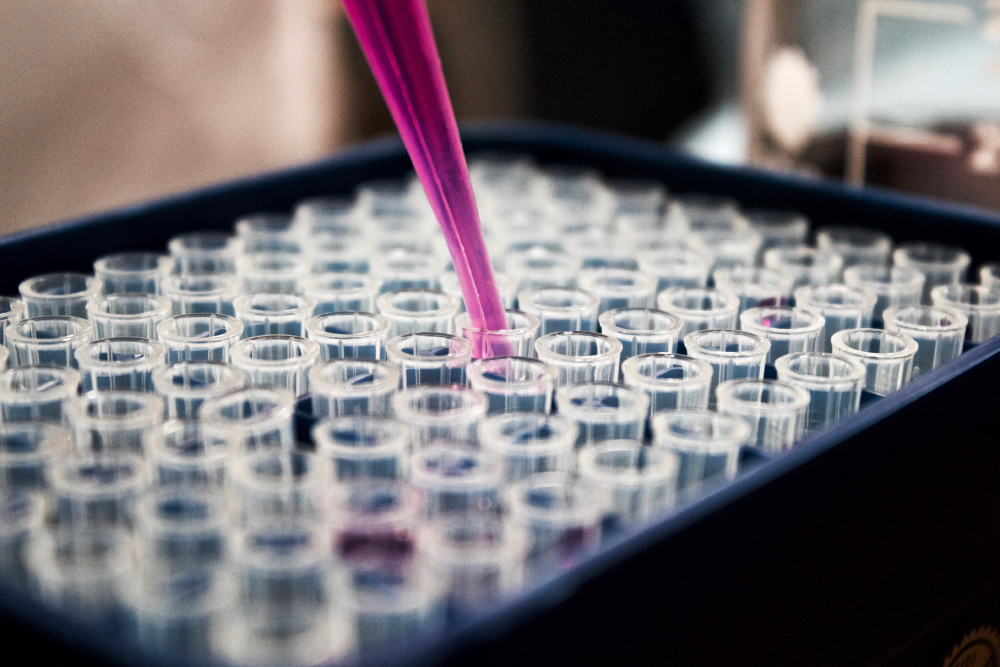 In conclusion, peptides are fascinating molecules with a wide range of biological functions and potential applications in health and medicine. Understanding their basic structure, function, and role in the body is essential for responsible research and use. While there are potential risks and side effects associated with their use, following proper guidelines and safety precautions can help ensure a positive and beneficial experience. With ongoing research and advancements in technology, the future of peptide therapy is bright, offering new possibilities for improving human health.