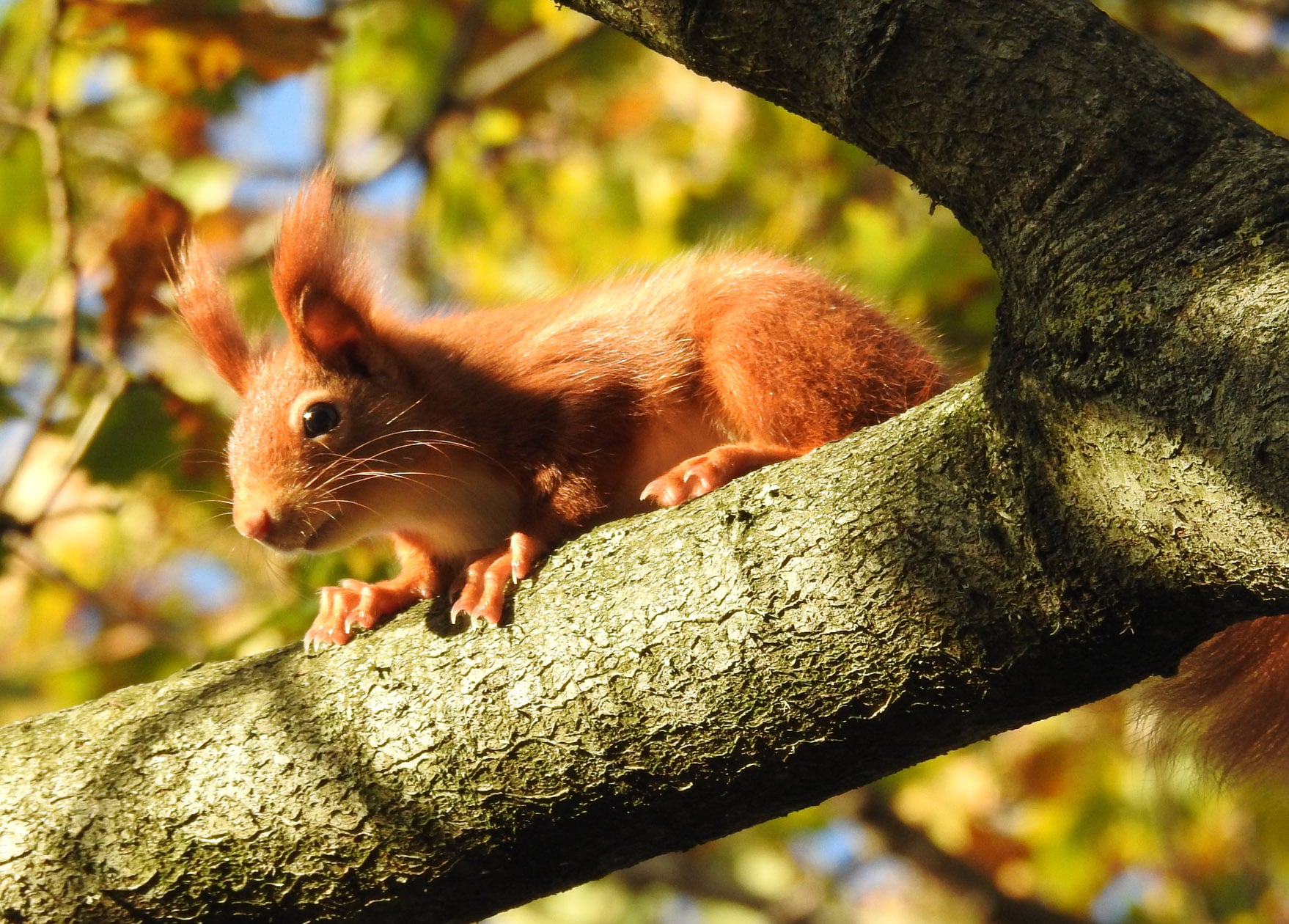














































Red squirrels have been found in 93% of woodlands surveyed across the Isle of Wight, highlighting the Island’s importance as one of the UK’s remaining strongholds for the native species.
The findings come as Red Squirrel Awareness Week (5th-11th October) gets underway, with conservationists highlighting the importance of protecting the Island’s population, currently estimated to be stable at around 3,500-4,000 animals.
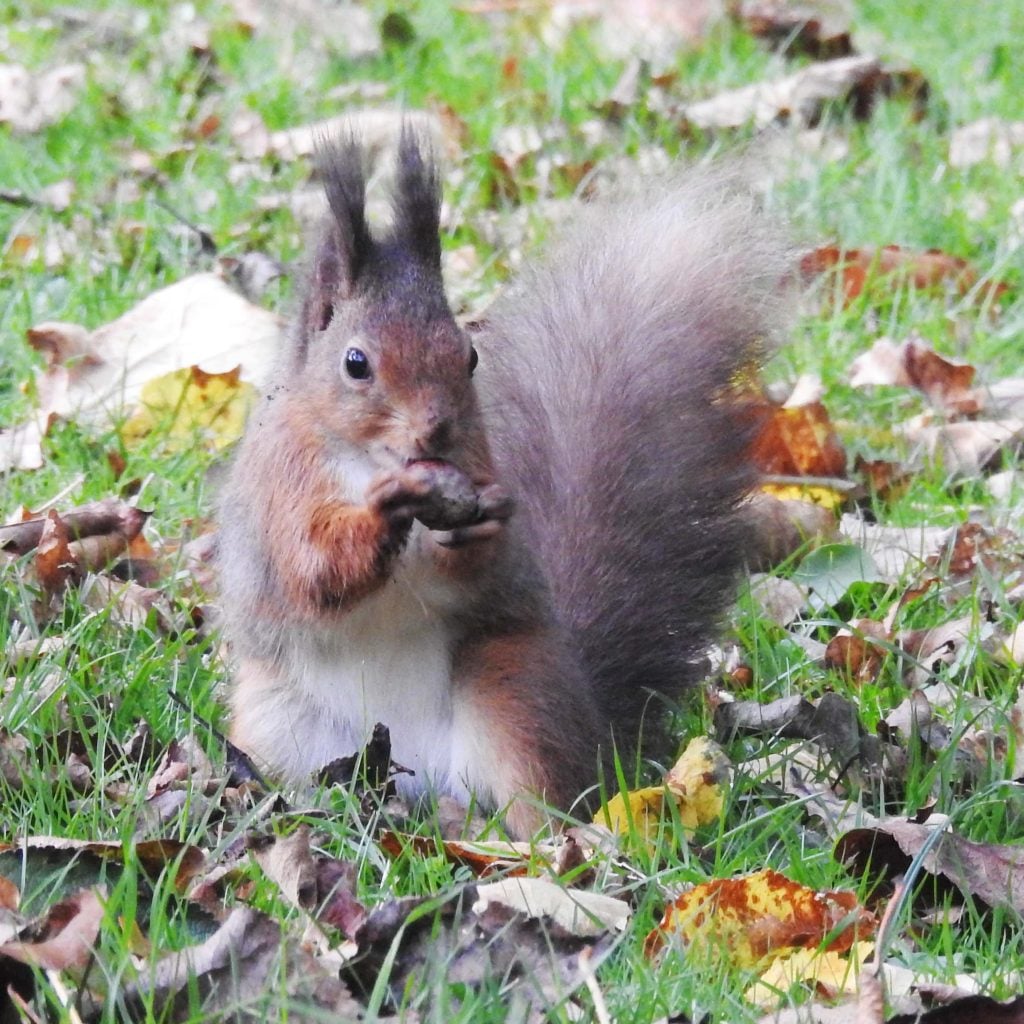
The Solent provides a natural barrier against grey squirrels, which have displaced reds across much of mainland Britain. Although the hurricanes of the late 1980s reduced the Island’s population by around 50%, numbers have since recovered.


A survey carried out last winter by Wight Squirrel Project found evidence of red squirrels in 93% of woods surveyed, compared with 71% in 1997, 86% in 2003, 90% in 2010 and 95% in 2016.
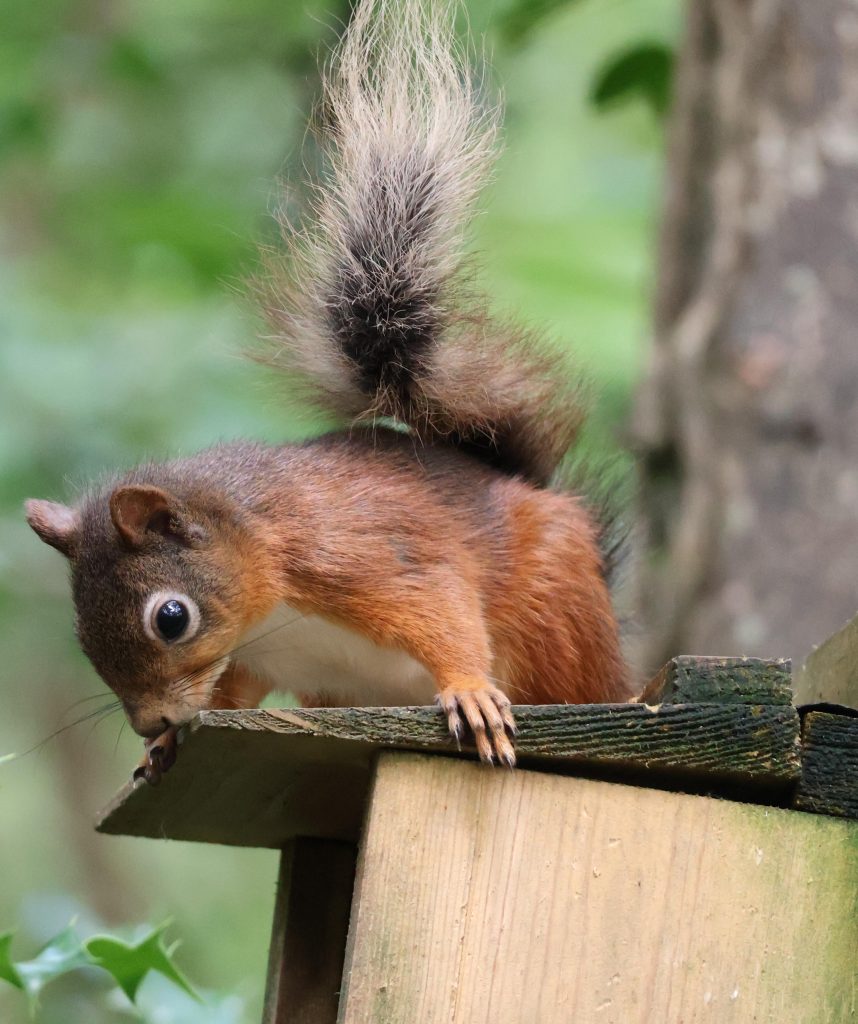
However, the animals continue to face threats from habitat loss, development, road traffic, disease and domestic cats, which can transmit toxoplasmosis.
Up to the end of July this year, 66 red squirrel road deaths had been reported, while volunteer Jacquie has cared for 18 sick, injured or orphaned squirrels during 2026.
Keeping grey squirrels away from the Isle of Wight remains a priority, particularly as they can carry the deadly squirrelpox virus, which has never been recorded on the Island.

A new grey squirrel strategy and associated protocols are being developed, with an official launch expected later this year.
Founded in 1993 by Helen Butler MBE, Wight Squirrel Project monitors the population, investigates suspected grey squirrel sightings, supports rehabilitation and carries out scientific research.
DNA studies have revealed genetic differences between Isle of Wight red squirrels and those elsewhere in the UK, as well as differences between populations in the east and west of the Island. Further testing is planned every 10 years.
Conservation efforts also focus on protecting woodland habitats and improving corridors between them, allowing squirrels to move more freely and access food.
Helen Butler MBE has said:
“Since I started working with red squirrels in 1991 the population has doubled thanks to improved hedgerow links and woodland extended, largely under a scheme called JIGSAW.”
The project works alongside other conservation organisations, woodland owners and volunteers to protect the species, while members of the public play an important role in reporting sightings and helping identify potential threats.
Helen added:
“I’ve worked with red squirrels as a volunteer for 35 years now and, although I don’t see them very often, I feel I must do my best for them and secure their future. Let’s face it – they are the best!!”
This year’s Red Squirrel Awareness Week focuses on how populations can recover, with daily themes covering threats, disease awareness, conservation solutions, recovery and volunteering.
Wight Squirrel Project is encouraging Islanders to continue reporting sightings, particularly suspected grey squirrels and sick or injured animals, and to help protect the habitats that support the Island’s red squirrel population.