
































































Hampshire & Isle of Wight Constabulary’s Joint Operations Unit has launched a pioneering new police dog capability designed to help identify offenders carrying substances linked to spiking and other harmful offences within the night-time economy.
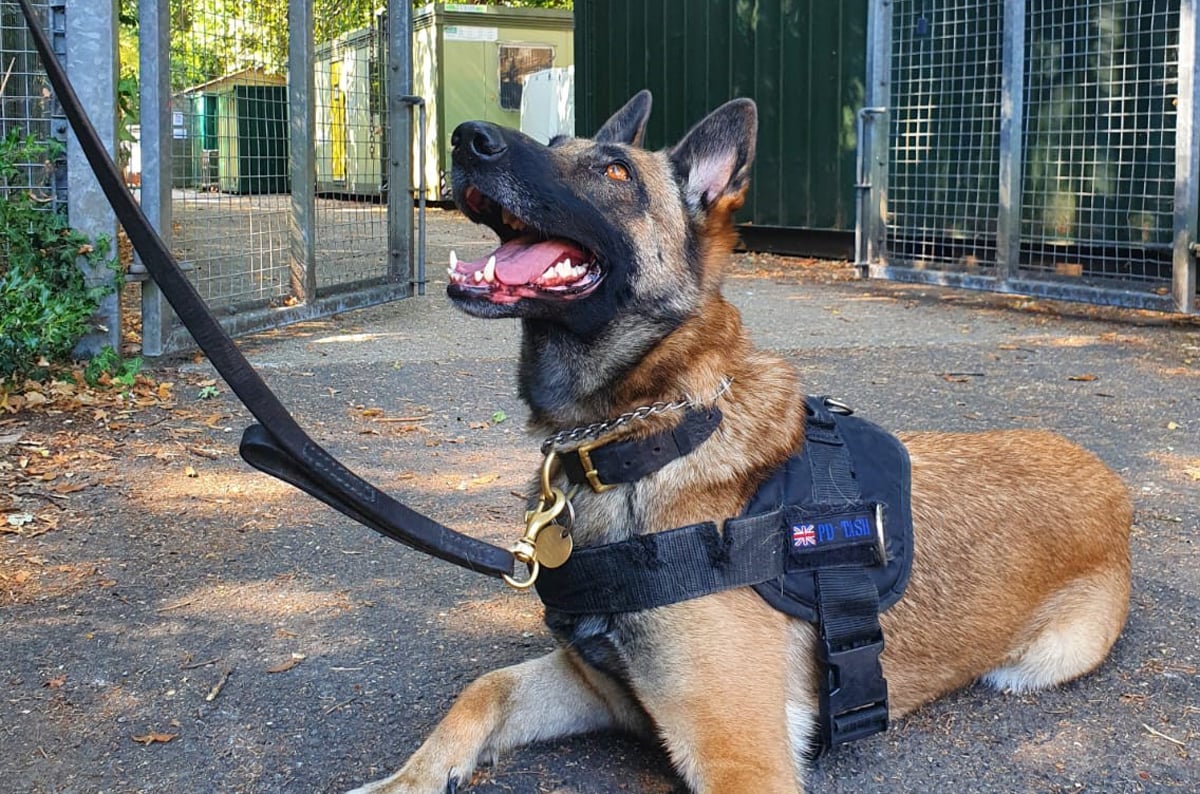
The specially trained dogs are able to detect drugs commonly associated with spiking offences, including substances often carried in small quantities and liquid form.
The initiative forms part of both HIOW’s and Thames Valley Police’s wider commitment to tackling violence against women and girls (VAWG) and ensuring people can enjoy a night out safely.


As students arrive at universities for the start of the academic year, and many people begin exploring a new town or city with friends, officers and specialist police dogs will be supporting proactive operations in the night-time economy, to help keep people safe.
The dog’s new capability has also been recognised by the National Police Chiefs’ Council (NPCC), which has incorporated it into the national police dog portfolio.
The dogs, who are called Major, Maverick, Puma, Dusty, AJ and Reggie, have undergone extensive training and will support officers carrying out proactive operations across both force areas.
While incidents of spiking remain low, it is clear that prevention is as important as enforcement, and the force is committed to identifying and disrupting those who seek to exploit others.
Those carrying substances linked to spiking offences should expect police attention.

Chief Constable Alexis Boon has said:
“Everyone should be able to enjoy a night out without fear of becoming a victim of crime. While reports of spiking remain relatively low, we know the impact on victims can be significant, which is why we are committed to being proactive in preventing offences before they happen.
“This pioneering capability demonstrates how we are continually evolving our policing approach to identify and disrupt those who seek to harm others. These specially trained dogs provide an additional tool for officers working in our towns and cities, helping us to target offenders, support our wider work to tackle violence against women and girls, and keep people safe in the night-time economy.”