



























































A ‘considerable’ £12.62million predicted overspend for high needs children and young people on the Isle of Wight has sparked concerns.
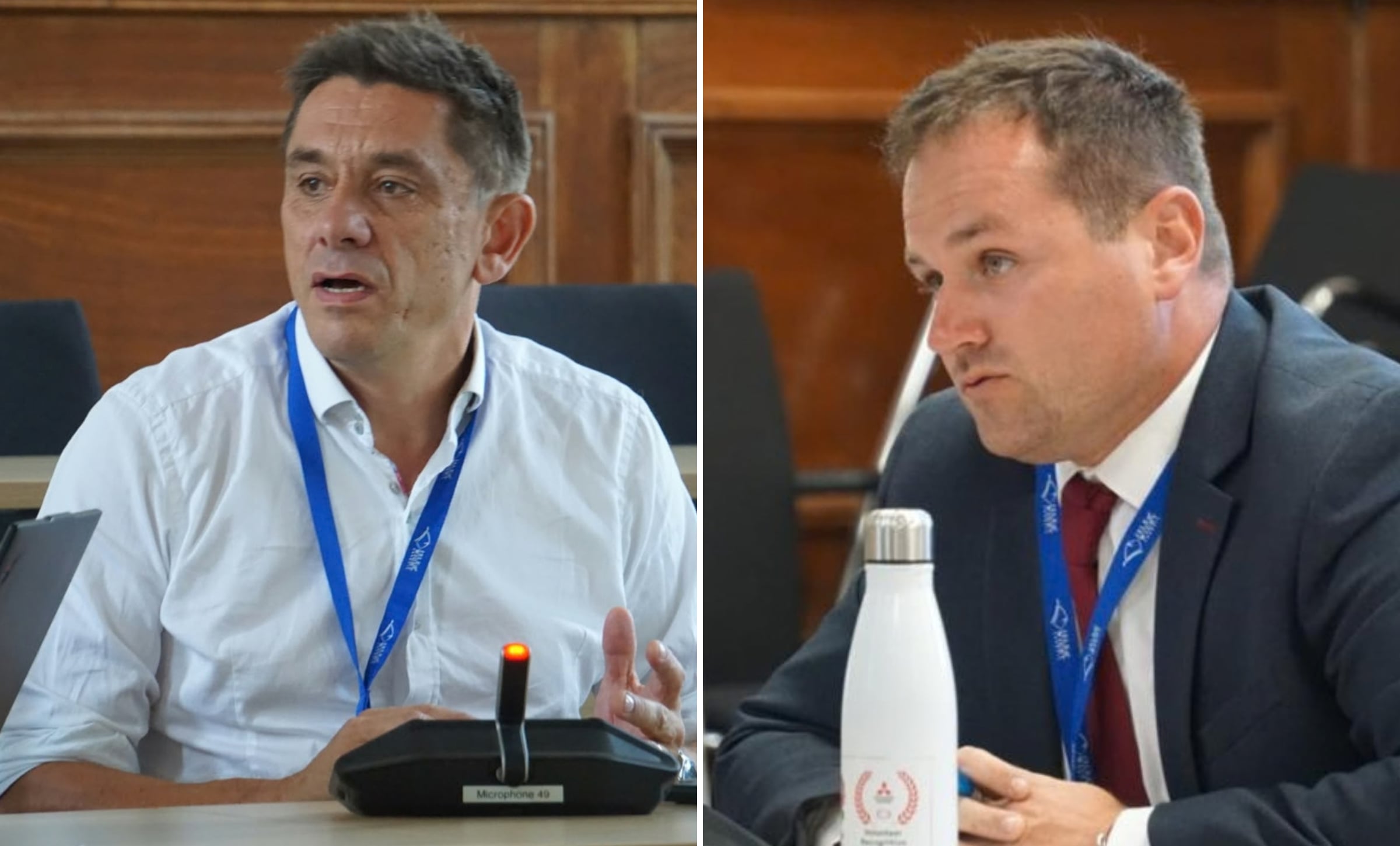
Cllr Chris Jarman, All for Islanders group leader, probed the in-year Dedicated Schools Grant (DSG) High Needs forecast figure as at July 2026 in an audit and governance committee meeting at County Hall on Monday (28th September).
Whitehall’s DSG provides revenue funding for councils to support spending on schools, early years as well as children and young people with high needs.


The high needs block of the DSG funds complex special educational and alternative provision – education arranged outside a mainstream school.
There is a continuing high level of requests for education, health and care plan (EHCP) needs assessments and the Island still has a shortage of available specialist places, according to a council report on strategic risks.
The paper says the growth of education health care assessments on the Isle of Wight is also leading to an increase in home to school travel requirements for children with special educational needs or disabilities.
It adds that the council’s lack of its own educational psychology service is causing additional costs.
Cllr Jarman said:

“We’ve got a projected in year DSG overspend of £12.6(million) which as an accumulative deficit moves it up to £30 million.
“The expectation has always been that this will roll forward and at some stage will be resolved by the government. It’s not been resolved and that figure is quite high relatively.
“What’s the plan if the government turned around and said we cannot fund this deficit because ‘it’s yours and you have to deal with it local authority’.
“What plan have we got to deal with that scenario?”
Since 2020, Whitehall has allowed local authorities to exclude DSG deficits, which have often resulted from pressures on their high needs budgets, from their main revenue budgets, an accounting treatment known as the ‘Statutory Override’.
The Statutory Override is in place to March 2026 and has been extended to March 2028, according to County Hall.
Adam Richens, interim director of finance at the Isle of Wight Council, said:
“The reality is that all local authorities up and down the country are holding their breath with regards to the government potentially making a payment for 90 per cent of their DSG deficits that accumulated at 31st March, 2026.
“There is then an expectation over the next 2 years…that any further deficits – they will make a similar level of contribution to. However…we need to make a contribution of probably about 10 per cent at the end of that period.
“What we’ve done is set aside resources and a strategy to cover that.”