










































 The third annual report by the Isle of Wight’s director of public health has identified 5 areas on the Island where Islanders’ mental health has suffered as a result of the COVID-19 pandemic.
A new tool featured in the report, called the mental wellbeing mobility index, has found some Islanders have been disproportionately affected.
The 5 most vulnerable areas are 2 parts of Ryde, 1 area of Cowes, 1 area of Sandown and a part of Parkhurst, which includes HMP Isle of Wight.


Compared to other parts of the Island, residents there are younger, more ethnically diverse and more likely to pay rent, as opposed to being homeowners, the index has revealed.
Findings by the director of public health, Simon Bryant, will set a new priority for Island leaders to address inequalities in mental health and wellbeing.
The report says there needs to be a greater urgency to address mental health inequalities by the Isle of Wight Council and its partners.
Among those worst affected are people in rural areas, where residents tend to be older and have faced isolation and loneliness in the pandemic. However, those in the Island’s rural south, west and central areas are less likely to have been adversely affected, compared to the residents of urban areas, such as Cowes, Newport and Ryde.
At the Isle of Wight Council’s health and wellbeing meeting last week, Mr Bryant highlighted, the index does not directly follow the known deprivation patterns on the Island.

The report also highlights the findings of the Isle of Wight Youth Trust’s Mental Health Census, in which the impact of COVID-19 meant a third of secondary school-aged children worried a lot and 30% found it hard to sleep and were lacking in energy and enthusiasm. It also found 40% of primary-aged children found it hard to sleep, 1 in 4 felt angry while 1 in 5 experienced many fears and were easily scared.
The findings of the trust are being addressed through separate action via their schools.
A ‘Mental Health Alliance’ has started between the health partners with a prevention-focused approach to improve mental and emotional wellbeing.







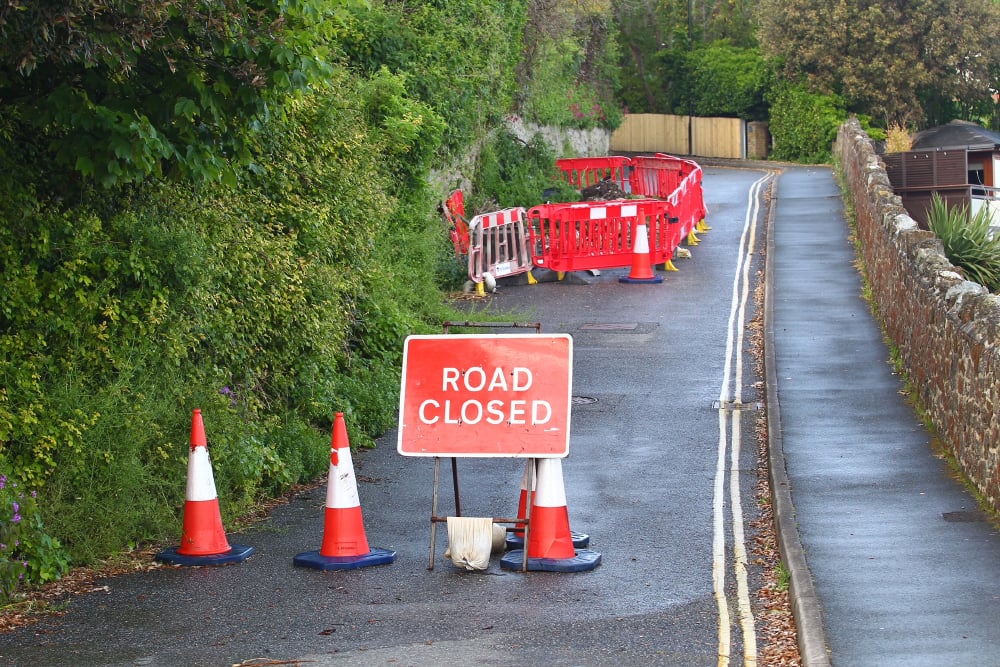
Convinced that constant roadworks have had a detrimental impact on people’s wellbeing.
The amount in Ryde has been and still is atrocious.
And the council is supposed to help us, right, jog on.
No most drug abusers and spongers live in the towns mentioned. No coincidence imo
Shouldn’t be so mental then should they.If they got off there lazy axxxs and do something with there life’s instead of playing the card all the time..
Cretin alert.
People with mental health issues are not lazy. Trust me, it’s hard work having these conditions day in day out, having seen at first hand.
What a ridiculous waste of resources to come up with this useless statistic (I assume someone was paid wages or furlough money)
How could this possibly be anything like accurate when the vast majority of people that may be suffering from anxiety and mental health issues are unable to access a GP or any form of help so suffer in silence and it would not be recorded to add into any useless report.
Anyone who genuinely suffer from mental health problems have my 100% sympathy. j
just wonder what percentage of mental health issues are drug related.
Should ban BBC News & Sky News nothing but gloom & doom totally depressing news every day 24/7, no wonder they are going bonkers in Ryde, Newport, Cowes & Sandown the youngsters are locked down for two years with draconian measures stuck at home climbing the walls, not allowed to step outside the homes only for exercise/food , watching the business they worked at go bust getting burned to the ground whilst those that made the draconian covid rules Johnson & Starmer are partying boozing it up breaking every covid rule in they voted in at Westminster, these youngster have been banned from doing all this in their prime..