




















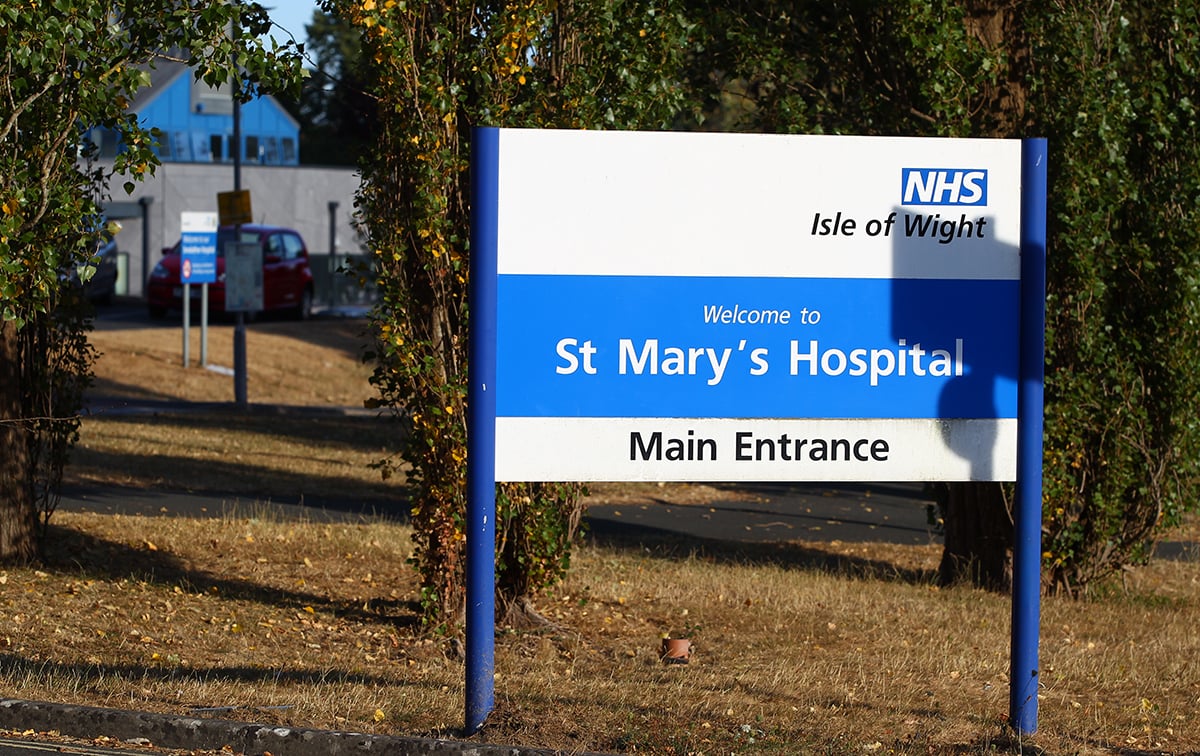






















 The Isle of Wight NHS Trust is to be put into special measures on the recommendation of the Care Quality Commission (CQC) following the publication of a report which declares the trust ‘inadequate’ with patients exposed to ‘unacceptable risk of harm’.
The damning report, which has been released today (Wednesday), notes a culture of subtle bullying from staff who work in old fashioned ways, an ambulance service struggling to provide a safe service and unsafe mental health wards where patients have access to unmitigated ligature points. It is also critical of the trust’s leadership with senior management lacking sufficient capability or capacity to support and move the organisation forward at a necessary pace.
Following visits by inspectors in both November 2016 and January of this year, the CQC has rated the Isle of Wight NHS Trust as inadequate for being safe, responsive and well-led and that it requires improvement for being effective. On a positive note, the trust has been rated as good for being caring.


Sir Mike Richards, Chief Inspector of Hospitals has today said:
“The Isle of Wight NHS Trust is unique in England as an integrated provider of acute, ambulance, community and mental health services.
“Since our last inspection in June 2014 we have found a number of significant concerns particularly in the mental health and ambulance services, which is why I have made a recommendation to the NHS Improvement that the trust should be placed into special measures.
“My inspector found people were exposed to unacceptable risk of harm. On the mental health wards staff did not always report safeguarding incidents to their local teams and wards were not holding local records of ongoing safeguarding concern. There was poor communication of safeguarding concerns when patients were transferred between services. Since this latest inspection we have been assured by the trust that there have been changes to their safeguarding procedures to ensure that incidents are properly reported and investigated.
“Inspectors found that despite the pressures, there were many areas where staff were dedicated and committed to patient care. Staff did their upmost to provide care that was compassionate, involved patients in decision making and provided good emotional support to patients and those close to them.
Article continues below this advertisement “But leadership was Inadequate. The vision for the trust was not clearly articulated by the senior team and staff. The executive team did not always have the necessary experience, or capability to lead effectively. It was a matter of concern that there was no representation of mental health services at board level”.

One major area of concern highlighted in the report is the Isle of Wight Ambulance Service, which is said to be struggling to provide a safe service and meet response times due to staffing shortages. The pressure on workers is said to be affecting morale with people leaving and sickness rates going up. The ambulance station has also been found to be insecure and mobile data terminals unreliable.
The report has also highlighted that patient outcomes are not as expected for patients suffering a heart attack, but survival is better than the England average.
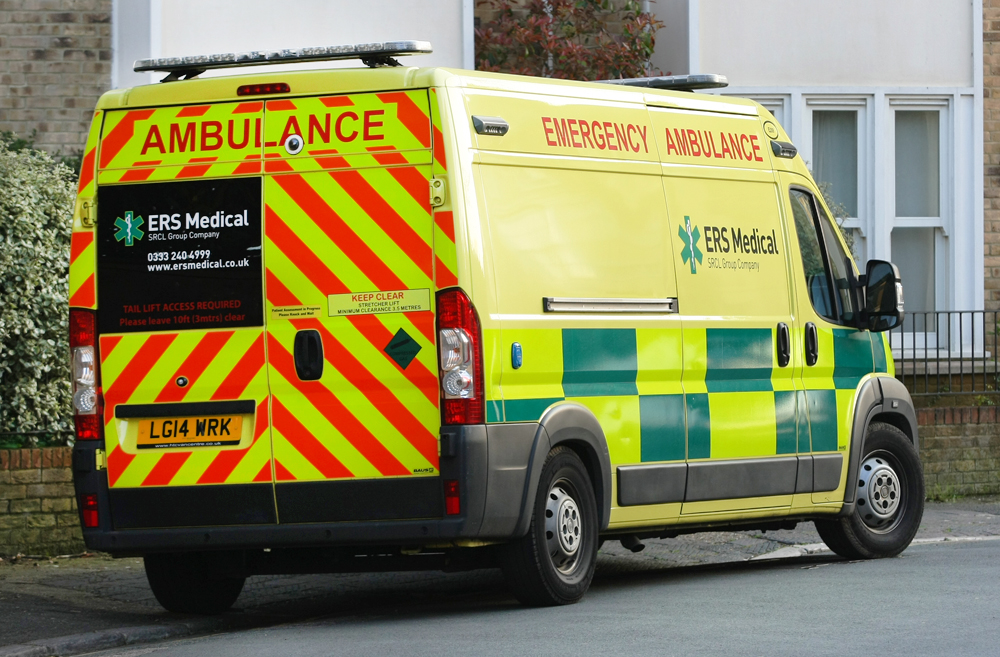
To combat the lack of paramedics and technicians to man the Island’s 11 ambulances, the Isle of Wight NHS Trust has brought in mainland contractors ERS Medical to provide frontline cover for 999 calls, despite the trust’s aim of reducing the high numbers of agency staff employed – a point highlighted in today’s report.
The report also raises concerns about the ambulance service’s training surrounding Chemical, Biological, Radiological and Nuclear incidents and a Marauding Terrorist Firearms Attack. With no Hazardous Area Response Team situated on the Island, ambulance staff need to complete a 2-day training course every year on resilience in the event of such a major incident, however, inspectors have found that there is no set training programme for staff on this and no records to confirm previous training.
The Isle of Wight Ambulance Service’s own staff are said to feel that staffing of the service is a risk, particularly when events are held on the Island and the population increases. The report states there is minimal feasibility to manage situations such as patients needing a transfer to the mainland or if a major incident was to occur.
‘The evidence to show the trust’s ability to meet its requirements under the Civil Contingencies Act 2004 and NHS England Core standards for Emergency prepardness, resilience and response (EPRR) was limited. This was a significant risk if an emergency or major incident occurred. This risk was not included on the CBU risk register, raising concerns senior managers were not aware of this risk”.
Acting Chief Executive Dr Mark Pugh has told Island Echo that new paramedics have been employed, changes have been made to where ambulances are deployed on standby across the Island and that a new dispatch system is in place. Dr Pugh has also said that a network of Community First Responders continue to operate on the Island and more defibrillators than ever are now available in towns and villages.
Chair of the Isle of Wight NHS Trust, Eve Richardson, has today said:
“This report is highly critical of the health services provided by this Trust. I want to be clear that the Trust accepts this report without reservation. We have let down our patients and our local community and on behalf of the Trust board and our staff I apologise unreservedly for this failure.
“Our sole focus now is to absorb the lessons contained within this report, to develop, with our partners, an effective and comprehensive improvement programme and to ensure it is implemented as swiftly as possible”.
Last month Karen Baker, the former chief executive of the Isle of Wight NHS Trust, decided to stand down from her role and executive medical director, Dr Mark Pugh, has been appointed acting chief executive. The Trust Board expects to confirm the appointment of an interim Chief Executive very soon and will then begin the process of recruiting a new, permanent Chief Executive.
Dr Pugh has said:
“We now have to ensure that we improve leadership throughout the organisation from board level through to service level. We are receiving valuable assistance from our new Improvement Director, Philippa Slinger, who has been appointed by NHS Improvement to support the Trust and we have already begun work on the development of a robust and achievable plan for major and rapid improvement. We will ensure that staff are clear about their role and actively involved in the delivery of meaningful improvement. We will be seeking the support of partners on the Island and mainland to help us.”
While the development of a comprehensive improvement plan remains to be completed, the Trust has made a number of service improvements since the CQC inspection visits at the end of 2016 and early 2017. It has:
- Begun the process of recruiting more substantive staff and reducing its use of agency staff
- Established a mental health improvement group to tackle the main challenges in mental health services
- Recruited two psychiatrists and a Head of Operations for the mental health service
- Set aside £600,000 in 2017/18 for improvements to buildings used by mental health services in order to make them safe
- Started to recruit a Director of Human Resources and Organisational Development to help tackle cultural problems within the Trust
- Begun implementation of new arrangements to prevent multiple bed moves within the hospital
- Increased nurse staffing levels in a number of areas
- Improved the storage and security of medicines in a number of areas
- Reviewed the results of the 2016 staff survey and agreed that priorities for the coming year will include tackling harassment, bullying and abuse; continuous improvement of communications and improved leadership
Dr Michele Legg of the Isle of Wight Clinical Commissioning Group has responded to the report by saying:
“As a local GP and Clinical Commissioning Group Chair, I am disappointed with the Care Quality Commission findings and terribly sorry that local people, my patients and their families haven’t been receiving high quality care that they expect and deserve.
“The Care Quality Commission has highlighted areas of significant concern and it is clear that the Trust needs to fundamentally change and innovate. It is important, and welcomed, that the Trust has accepted the report findings in full and recognises that urgent improvements are necessary.
“The Clinical Commissioning Group welcomes the additional support and scrutiny that the Trust will receive from being placed in ‘Special Measures’. We are determined and committed to working with the Trust, regulators and other partners to help ensure the essential improvements required are delivered.
“Our priority as a Clinical Commissioning Group continues to be focused on planning and buying safe, high quality and sustainable services on behalf of Islanders that meets their needs now and in the future.”
Other concerns the CQC found:
- Some trust wide key posts were vacant and the trust employed a large number of locum medical staff (around 150 posts need filling)
- Some staff were not up to date with safeguarding training
- Care and treatment did not always reflect current evidence based practice
- Staff awareness of the Mental Health Act (2005) and the Deprivation of Liberty Safeguards was variable
- Patients’ privacy and dignity was not always protected in mental health services wards
- Staff did not always manage services adequately – this resulted in delays in ambulance handovers and delays in discharge from the emergency department
- The trust was missing targets in referral to treatment times and cancelled operations
The full report is to be published today (Wednesday) at www.cqc.org.uk/provider/R1F.