

















































Hampshire and the Isle of Wight saw a 54% increase in outdoor fires in 2025/26, according to a report from Hampshire & Isle of Wight Fire and Rescue Service.
A Performance Report from the region’s Chief Fire Officer, Sabrina Cohen-Hatton, said the surge year-on-year is driven mainly by grassland, woodland and crops blazes from ‘prolonged periods’ of hot weather during the 2025 summer.
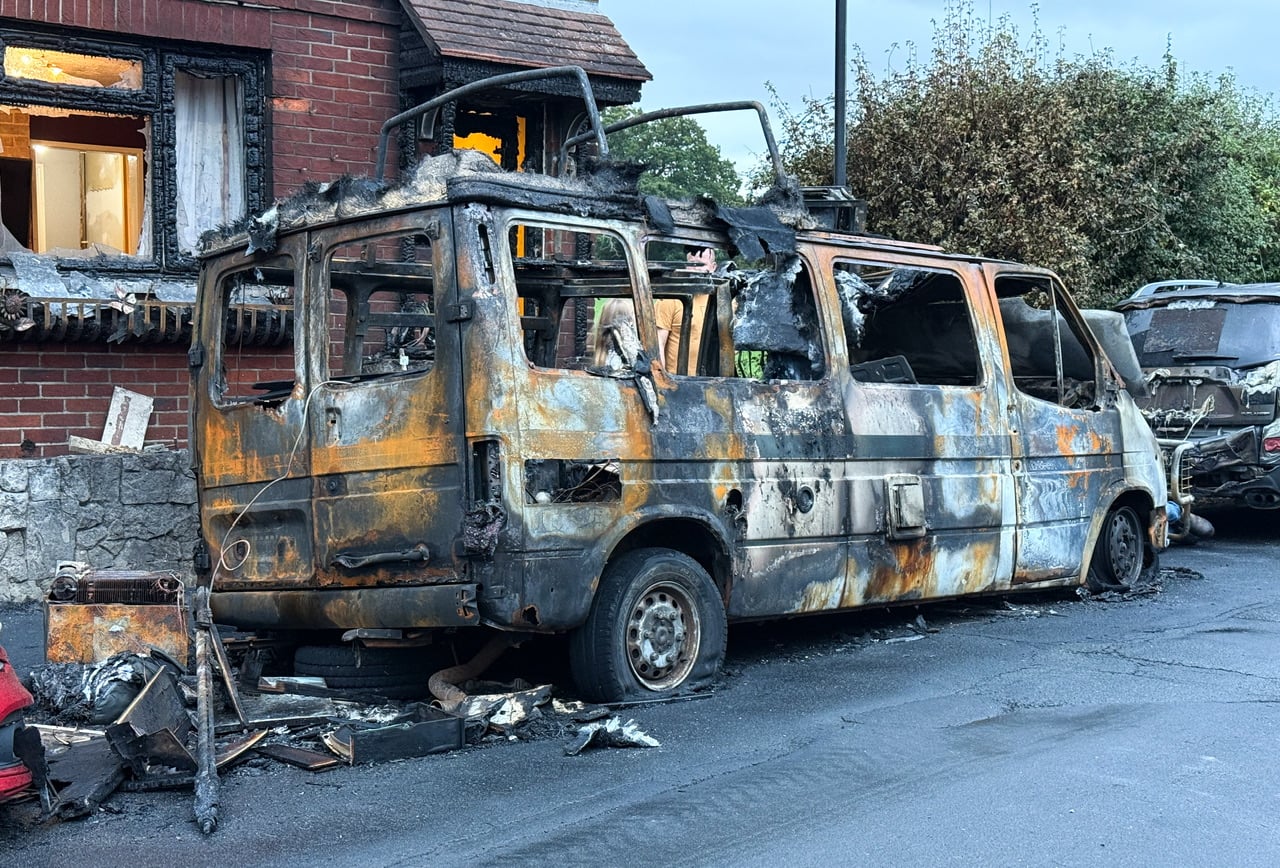
The paper, which covers the period 1st April 1 2025 to 31st March 2026, also shows firefighters attended 4,237 fires, representing a 17% increase.


Matt Robertson, director of corporate services at Hampshire & Isle of Wight Fire and Rescue Service (HIWFRS), said the summer saw high numbers of fires in the open, with ‘tremendous efforts’ by on-call and whole-time crews, Fire Control colleagues, the Incident Command Unit and support teams.
Alex Quick, head of performance and evaluation at HIWFRS, previously told the Hampshire & Isle of Wight Fire and Rescue Authority that the 2025 summer had been the busiest since 2022.

A report presented to the supervisory body in December last year said climate change is predicted to increase both the ‘volume and severity’ of wildfires going forward.
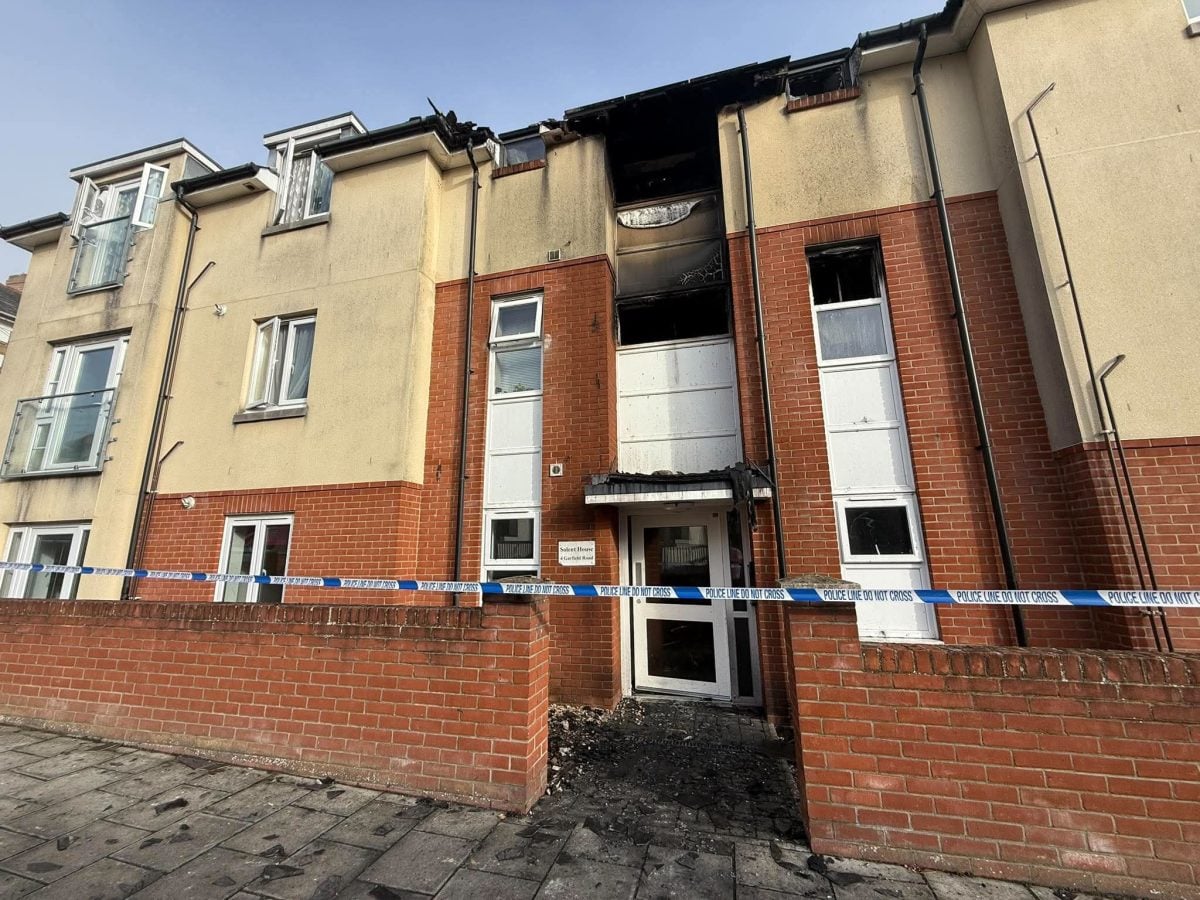
The 2025/26 Performance Report’s findings include a 5% reduction in dwelling fires, partly influenced by fewer home fires in flats and HMOs, and slightly less non-residential property fires.

HIWFRS’s average critical response time was 9 minutes and 49 seconds in 2025/26, the same as the previous year.
The service said its critical response time reporting includes call handling times, to reflect the full time taken to respond to incidents.A critical incident is one that endangers people or property, such as a building fire or road traffic collisions.
The report also said the service has seen a slight increase in sickness, mainly caused by musculoskeletal-related absence – the highest short-term absence type.
It notes that in the previous year, mental health-related absence was the highest sickness type overall and that where there is sickness, particularly short-term, this can have some effect on the availability of appliances.
In addition, the paper mentioned an overall reduction in the number of health and safety accidents and an improvement in the service’s percentage of female firefighters.








Sabrina Cohen-Hatton is clearly an exceptional individual (just read the Wikipedia page devoted to her!) and Hampshire and the Island are undoubtedly fortunate to have her in command of the region’s Fire Service.
Dry weather allows grassland to burn more easily but not hot enough to combust. Must arson.