















































Urban tactics are being considered in the design of tactical vehicles. Cities fill small spaces with people, buildings, and other barriers, making it impossible to move about and see what’s happening. The current tactical car must quickly enter and exit these areas, assist pedestrians, and protect personnel from close-range and off-angle threats. Designers must reassess the size of large automobiles, their turning radius, the number of sensors required, and how to protect them without making them too large to drive.
The Joint Light Tactical Vehicle is often cited in this context because it exemplifies the effort to combine protection and mobility in a compact package that operates in tight spaces. It takes more than tight streets to navigate cities. It also includes how quickly a car turns, how it handles curbs and other hazards, and how the crew keeps vigilant when buildings block their vision. In towns, speed may be more crucial than armor.
It also involves a larger fleet of armored vehicles, which are being redesigned for multiple terrains. Many ancient armored designs were intended to move freely, fight from a distance, and follow known courses. Urbanites dispute these ideas. They cause cars to turn, flow in and out of traffic, and be exposed from roofs and upper stories. In response, modern designs use compact forms, greater camera coverage, and hatchless systems to protect workers.


Small Shapes with Protection
One of the most noticeable changes cities cause is shape. Vehicles require reduced turning circles, improved approach and exit angles, and exterior forms that avoid street furniture, debris, and other obstructions. However, being small cannot compromise survival. Designers aim to preserve safety measures for the crew cell while saving room elsewhere.
Protection is typically supplied this way. The most critical parts are protected, while modular kits that can be added or removed depending on mission threat level protect others. This method makes the basic car manageable in a city while providing greater safety when intelligence indicates a higher risk.
Urban Turning, Suspension, and Movement
Cities make agility difficult. Helps them survive. Tight bends, narrow lanes, and homemade barriers require cars to turn swiftly and avoid losing balance. The suspension controls how the car handles fractured pavement, curb drops, and debris fields.

The city needs to influence the available powertrain options. It’s crucial to be able to accelerate swiftly, creep slowly, and stop safely in small distances. Driving in cities is easier for vehicles that can transition between high speeds and caution, as both are required.
Visibility and Awareness Are City Necessities
Vision is crucial to city access. Buildings have vulnerabilities where risks can strike at any time. Tactical vehicles now include larger camera arrays, thermal systems, and driver-assist screens to provide crews with an external view. This reduces the temptation to create openings and conceals the corpse when things go wrong.
Things with sensors are easy to track. City grids with many automobiles may require drivers to miss obstacles within inches. Better lighting, cameras, and proximity alerts reduce crashes and enable teams to move faster without losing control.
Close-range and Above Danger Protection
Most urban hazards are close-range. Small-arms fire, shrapnel, and explosives can originate from nearby areas and move up and down, increasing the risk. Car-attack methods differ depending on rooftops, balconies, and high windows. This is why modern design emphasizes roof coverage, awareness of what lies above, and the elimination of fragmentation.
Cars must also balance weight. Heavy armor protects you but slows you down and strains your tires, brakes, and stability. Designers use improved materials, more efficient construction methods, and strategies to safeguard the crew compartment while keeping the car lightweight.
Crew Collaboration Affects City Access
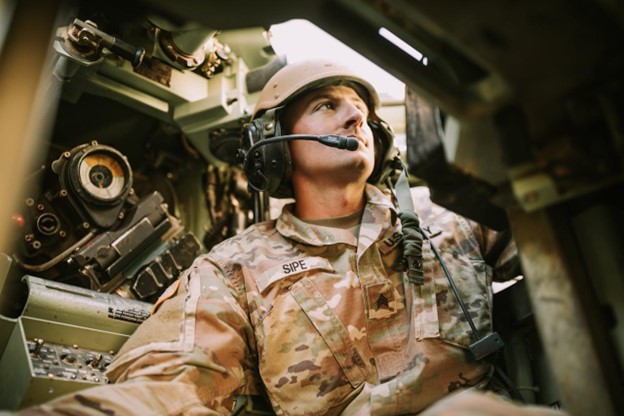
A city tactical car is more than just a vehicle. Crews plan, communicate, and dispatch members to walk from here. Where doors are placed, how high the steps are, how the interior is planned, and how storage is constructed determine how quickly and safely people can exit and move around the car. Time is crucial in cities, and an open door leading into a narrow alley could pose a risk.
Modern rooms are also more pleasant for extended trips. A stressed crew makes better decisions when less exhausted. That’s a silent yet vital feature of urban travel, since improper interior design can impair response and awareness.
Planning for Real City Conditions
It’s simple to spot the trend. Tactical automobiles are designed for cities, not simply occasionally. Consequently, small shapes, rapid motions, situational awareness, and security against close-range and above threats are prioritized.
Sensors, human workflow, and movement work together to improve urban access in the finest designs. A city truck that can turn swiftly, see clearly, keep crews safe, and travel rapidly is more than simply convenient. More likely to survive.
Image attributed to Pexels.com