































































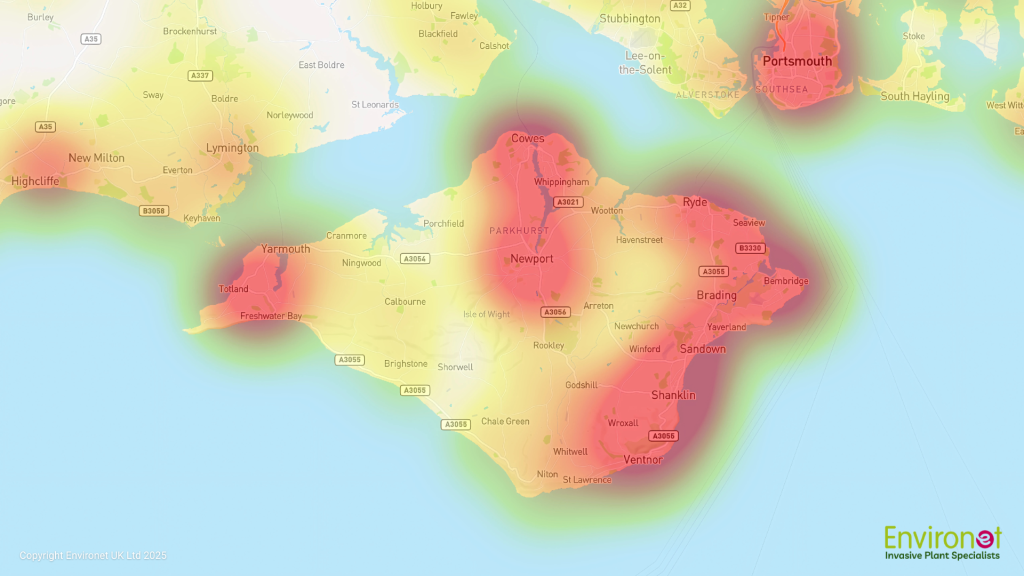
Shanklin has been identified as the Isle of Wight’s Japanese knotweed hotspot, with new analysis revealing 554 verified sightings of the invasive plant across the Island.
The figures, published by invasive plant consultancy Environet, rank the Isle of Wight as the 8th worst-affected location in England, with the equivalent of 3.78 incidents recorded per square mile.
According to the company’s latest Japanese Knotweed Heatmap, Shanklin tops the Island rankings with 73 verified sightings, followed by Newport with 66 and Ventnor with 45.


The top 10 hotspots are Shanklin with 73 reported sightings, Newport with 66, Ventnor with 45, Bembridge with 44, Ryde with 35, Sandown with 31, Cowes with 30, Freshwater with 29, East Cowes with 25 and Wroxhall with 18.
Japanese knotweed, originally introduced to Britain as an ornamental garden plant during the Victorian era, spreads through contaminated soil, waterways and construction activity. Although it does not produce seeds in the UK, its underground rhizomes can extend up to 7 metres from the parent plant, with even tiny fragments capable of growing into new plants.
If left untreated, the invasive species can damage buildings, delay property sales and lead to legal disputes where it spreads across neighbouring land.
Environet says research carried out in partnership with Censuswide suggests around 7% of UK homes – more than 1.58 million properties – are affected by Japanese knotweed. The company estimates affected properties can lose around 5% of their value, equivalent to approximately £13,500 per home.

Emily Grant, Director of Environet, has said:
“Japanese knotweed is now firmly established right across the country, which means homeowners everywhere should know what to look for.
“My advice to anyone living or buying a home in a Japanese knotweed hotspot is to check your garden regularly during the growing season.
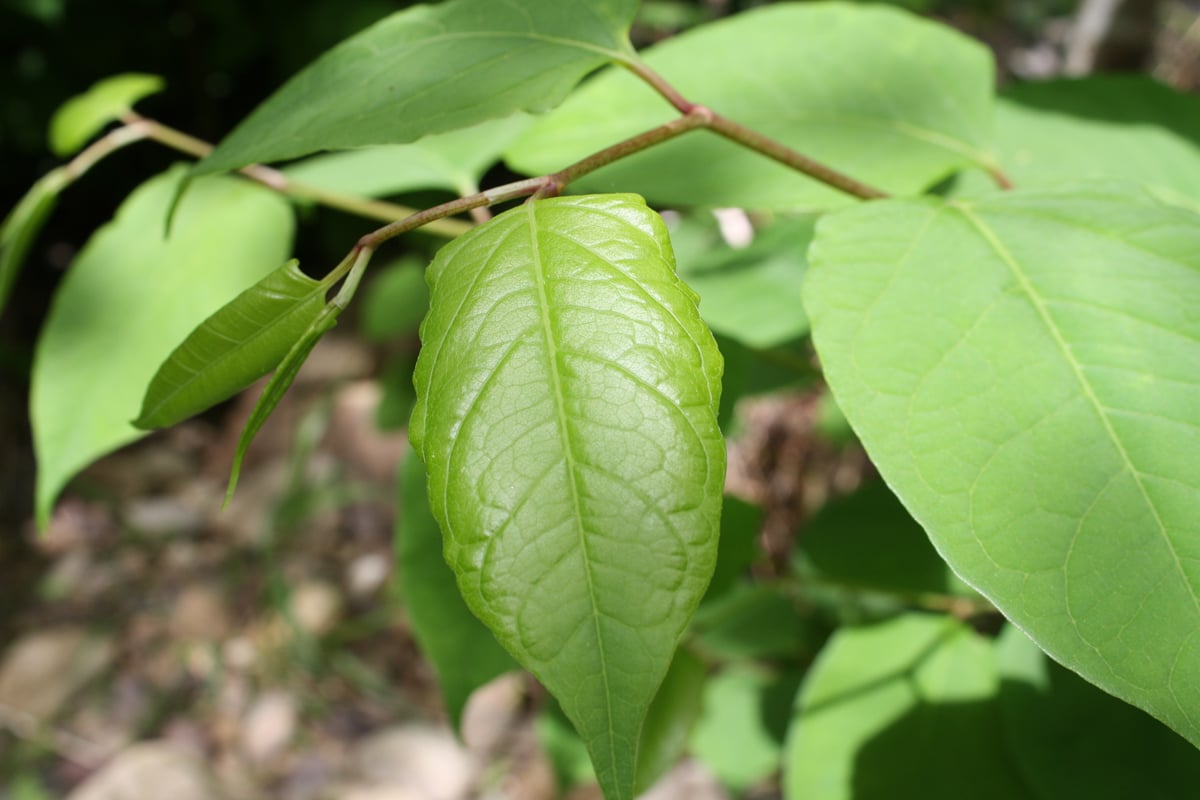
“At this time of year, an established knotweed plant can be identified quite easily by its hard bamboo-like canes and distinctive bright green shield-shaped leaves which grow in a zig-zag pattern along the stem.
“The earlier it’s spotted, the easier and cheaper it is to deal with. Acting quickly with professional advice will prevent it spreading further and help protect both your property and its value.”
During the summer months, Japanese knotweed can typically be identified by its tall bamboo-like canes, which grow between 2 and 3 metres high, dense clusters of stems emerging from a central crown, bright green shield-shaped leaves arranged in a zig-zag pattern and, later in the season, clusters of small creamy-white flowers.
Homeowners who believe they may have Japanese knotweed on or near their property can send a photograph to Environet at [email protected] for free identification before arranging a professional survey if required.