





























































The Deputy Chair of Healthwatch Isle of Wight has warned that patients could lose an important independent voice if Government plans to abolish the organisation go ahead.
Alison Geddes, Deputy Chair and Non-Executive Director of Healthwatch Isle of Wight, has voiced concerns over proposals contained within the NHS Modernisation Bill, which would see Healthwatch abolished and its responsibilities transferred to Integrated Care Boards and local authorities.
Healthwatch was established under the Health and Social Care Act 2012 to act as an independent champion for people using health and social care services. Its role includes gathering feedback from patients, raising concerns with decision-makers and helping to improve local services.

Ms Geddes has questioned how the new arrangements will work in practice and fears the loss of an independent body representing patients.
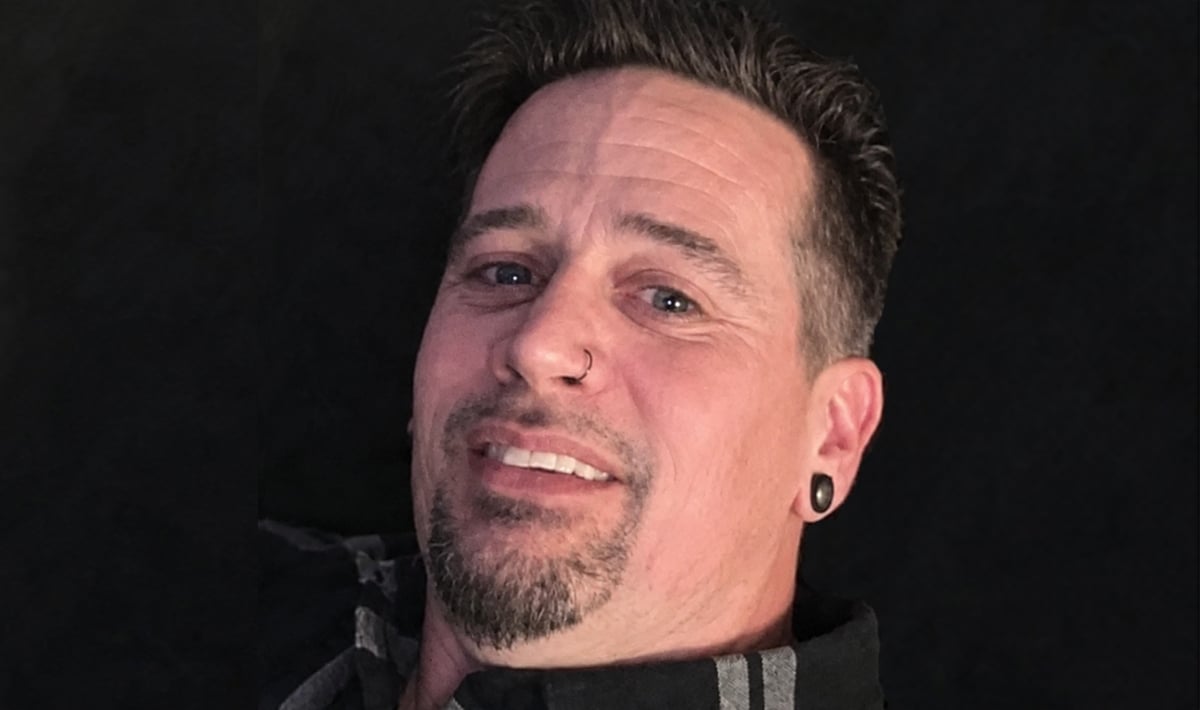
Ms Geddes said:
“I don’t know how the Government intends to plan for patient feedback once Healthwatch is removed.
“There is no fully thought-out solution. We are an independent voice for patients and service users. We don’t want health providers marking their own homework.”
The concerns echo warnings raised nationally by the Local Government Association (LGA), which has said abolishing Healthwatch could weaken accountability and create a fragmented system.

The LGA has warned that, without an independent organisation representing patients, there is a risk that healthcare bodies will effectively be responsible for assessing feedback about their own services.
Healthwatch currently operates through a national body and more than 150 local organisations across England. Its responsibilities include obtaining the views of people using health and social care services, making recommendations for improvement, advising people on accessing services and escalating serious concerns to regulators such as the Care Quality Commission.
On the Isle of Wight, Healthwatch acts independently of healthcare providers and commissioners, allowing it to take a broader view of issues affecting residents across the healthcare system.
Ms Geddes believes that independence is particularly important when dealing with patients who have complex needs spanning multiple services.
She said:
“Older people often have multiple problems, both mental and physical. We can look at those issues as a whole.
“It will be difficult to see people’s concerns in their entirety within a fragmented system. Patient feedback should go to a single organisation.”
The Hampshire and Isle of Wight Integrated Care Board receives Government funding and commissions healthcare services for the Island population through a number of providers. The largest providers are the Isle of Wight NHS Trust and the Hampshire and Isle of Wight NHS Foundation Trust, which deliver different services across the local healthcare system.
Ms Geddes fears that once Healthwatch disappears, Islanders with concerns about healthcare provision may be forced to approach individual organisations separately rather than having a single independent body able to represent their interests.
She warned that this could make it harder for wider issues affecting patients to be identified and understood across the healthcare system as a whole.
Ms Geddes added:
“I shall be discussing these issues with Joe Smyth, Chief Executive of the Isle of Wight NHS Trust, and Isle of Wight West MP Richard Quigley.”
A Department of Health and Social Care spokesperson has previously defended the proposals, saying the changes are intended to simplify the patient safety landscape and give patients and service users a “stronger, clearer voice at the heart of health and social care”.
The NHS Modernisation Bill, which includes the abolition of Healthwatch, is currently making its way through Parliament.







The NHS is not the NHS it used to be.
It’s gone from the National Health Service to the
No Hope Service
We must use the same Doctors Surgery!
Absolutely terrible.
I think we must.
Yet another instance of the ruling party taking away the voice of the people. With no independant procedure in place there will be no effective recourse for highlighting problems, with a liklihood of stone-walling and no accurate data on how systems are failing. For a department of health spokesperson to say, the changes are intended to simplify the patient safety landscape (?!) and give patients and service users a “stronger, clearer voice at the heart of health and social care” is misleading – it is highly likely to do the exact opposite!