
















































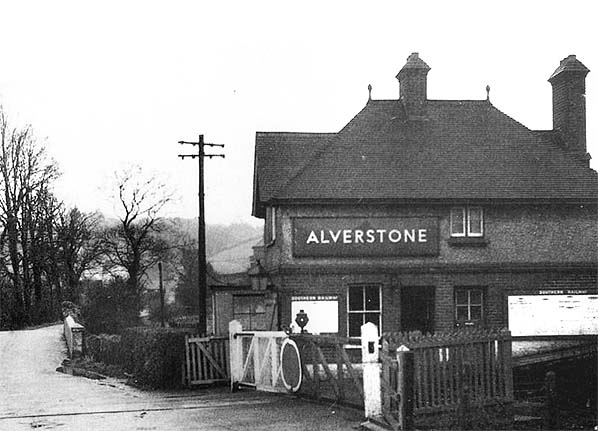

Alverstone Station on the Isle of Wight remains a well-preserved reminder of the Island’s rural railway past.
The station opened on Monday, 1st February 1875, as part of the Newport to Sandown line, serving 19th century farmers, residents and day-trippers. At the time of its closure in 1956, Alverstone had just 73 residents living in 23 houses and seven nearby farms. These farms relied on the railway to move produce, livestock and goods to Newport, Sandown and beyond. Surrounded by rolling meadows, hedgerows and wetlands, the village was a picture of rural tranquillity, where farming life set the rhythm of the day.
The original 1870s station house was of poor quality and condemned by 1909. A new station building opened in 1912 at a cost of £125 (around £16,000 today). It included a stationmaster’s house, a booking office and a waiting room. The wooden platform was replaced by an earth-and-clinker one costing £15, sturdy enough to withstand the seasonal wear of farm traffic and wet weather.


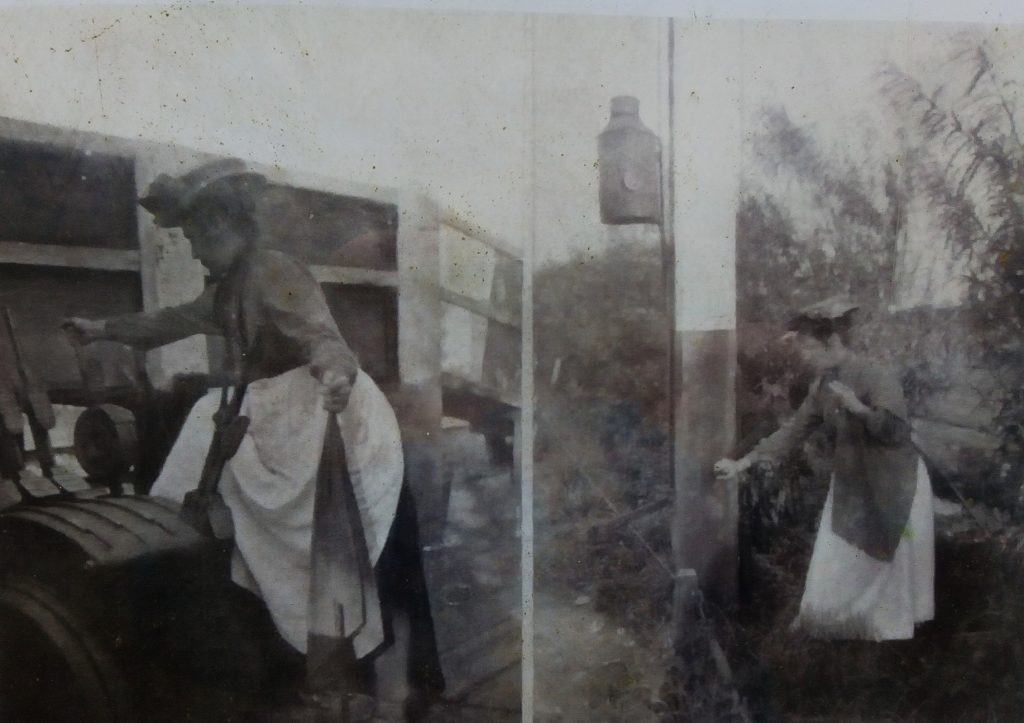
The station’s most notable stationmistress, Mrs Fanny Young, served from 1899 to 1914. She described her duties:
“I issue tickets, manage the signalling, open the gates and wind up the lamps. I am provided with cardboard tickets available as far as Ryde Pier Head. If folks wish to travel beyond the Island I have to write them out paper ones. In the winter I am not so busy as in the summer, for the trains are less frequent. I go on duty for twelve and a half hours, but I am not overworked as it is not constant.”
Alverstone and the line as a whole faced recurring challenges at level crossings, including Shide, Blackwater, Merstone, Horringford and Alverstone itself. These crossings were manually operated, frequently struck by traffic, and required constant repair, adding both cost and inconvenience to running the line.
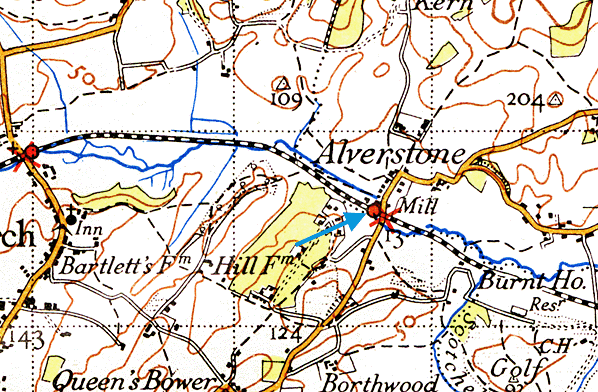
The journey from Alverstone to Sandown took just three minutes by train over 1 mile, compared with over 3 miles by road. Travel to Newport took around 20 minutes, making the station a vital lifeline for work, education and essential services. The Newport-Sandown line also ran close to the River Eastern Yar, making it prone to flooding, which at times disrupted services.

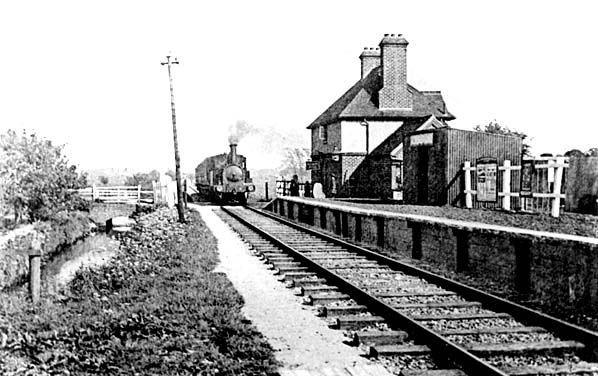
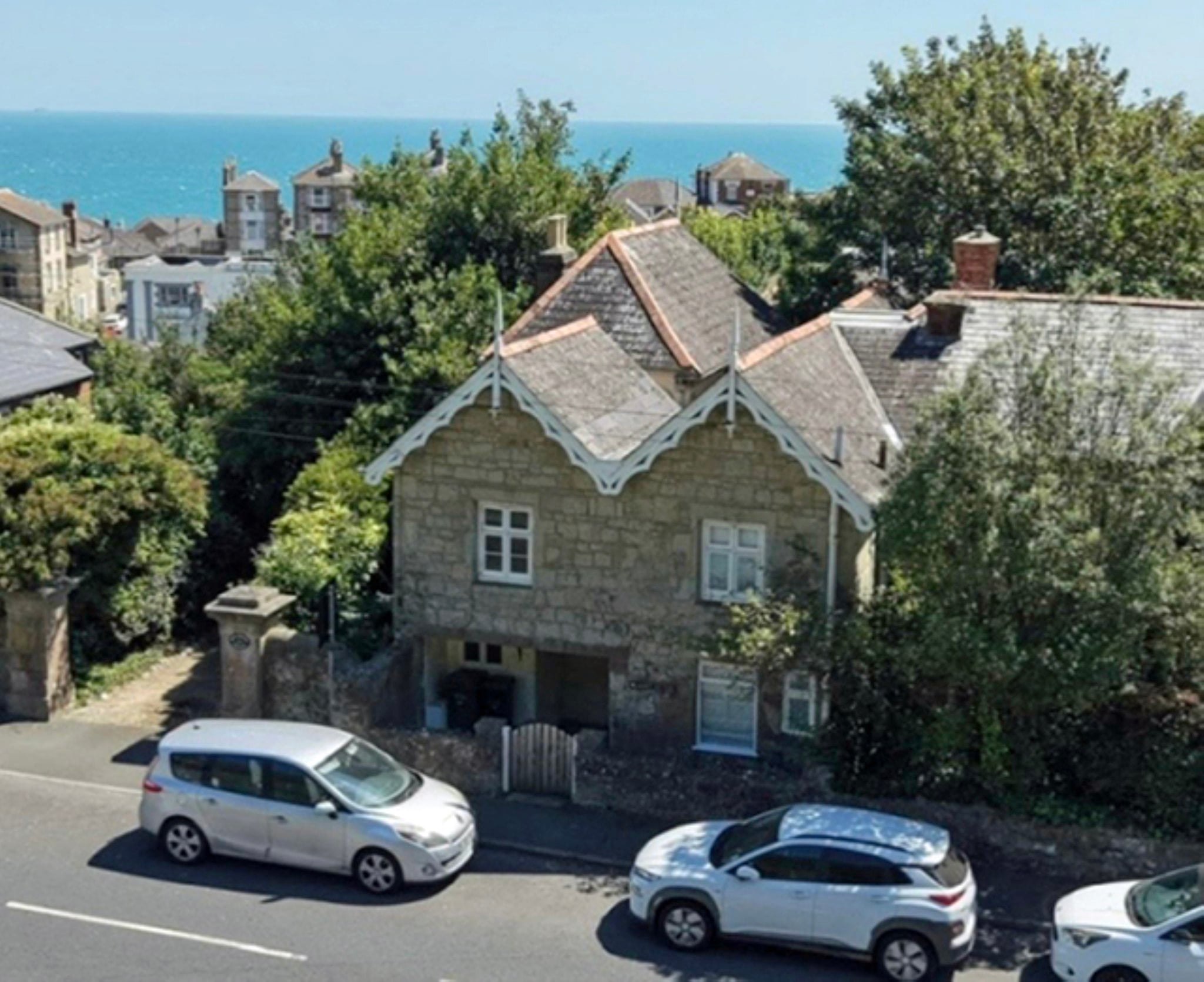
Architecturally, the 1912 station building was simple but sturdy, reflecting Southern Railway style. The platform survives, giving a sense of the station’s early 20th-century appearance. Passengers would have stepped onto the platform surrounded by fields, pastures, and hedgerows, with birdsong and the occasional farm animal as part of the station’s backdrop.
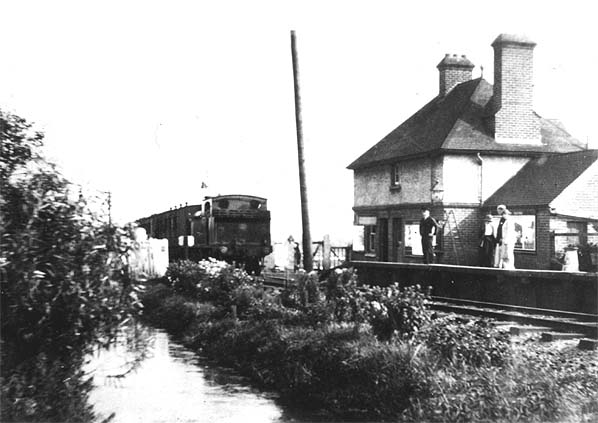
Alverstone supported both passenger and agricultural traffic. Excursion traffic brought day-trippers to nearby countryside walks and wetlands, as visitors today enjoy Alverstone Mead Nature Reserve. The station was an essential hub for farmers, who relied on it to transport dairy, crops, and livestock to markets in Newport and beyond.
Rural rail travel had a special rhythm and charm. For small communities, it offered reliable access to work, markets and leisure, while keeping roads quiet and the countryside peaceful. The trains themselves were a steady presence in an otherwise slow-moving agricultural landscape, linking farms, homes, and meadows to the wider island. But it came with trade-offs: timetables were fixed, floods or level crossing issues could disrupt travel, and services were often slower than by car. Life by the train was orderly and communal, a very different pace from the independence—and occasional chaos—of motor travel.
From the 1920s onwards, rural railways faced decline as buses and private vehicles took passengers away. Wartime petrol rationing in the 1940s temporarily boosted traffic, but long-term decline continued. Alverstone closed on Monday, 6th February 1956, several years before the Beeching cuts. Smaller stations with limited facilities were among the first to close.
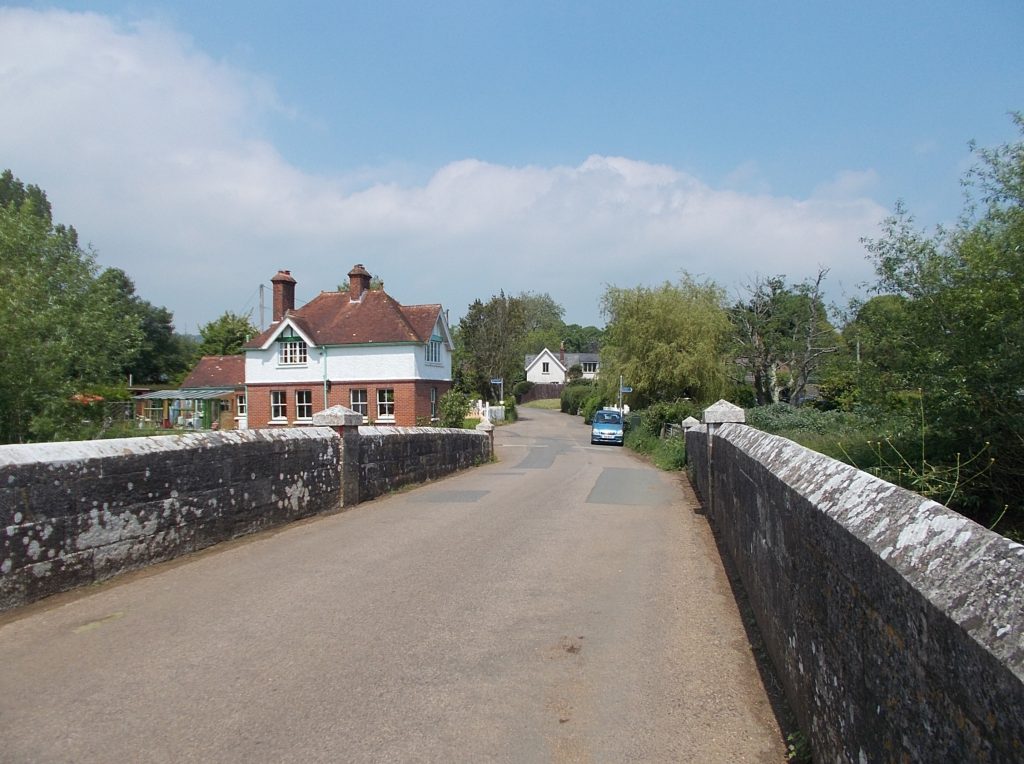
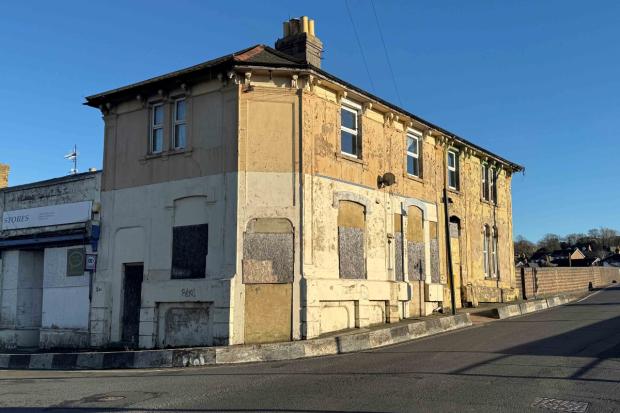
After closure, the line fell silent. In 1962 the site became council property, though the building changed little. Today, it remains a private residence, with its owners working to restore its appearance to its British Rail Southern Region state before closure. The former trackbed is now part of the Red Squirrel Trail, a walking and cycling route that preserves the line’s memory, reflecting a wider trend across Britain where disused railways have been repurposed for leisure and conservation.
Did villages like Alverstone enjoy a better quality of life when residents travelled by train rather than car, with quieter roads and more peaceful rural life? Share your views with Island Echo in the comments.