


































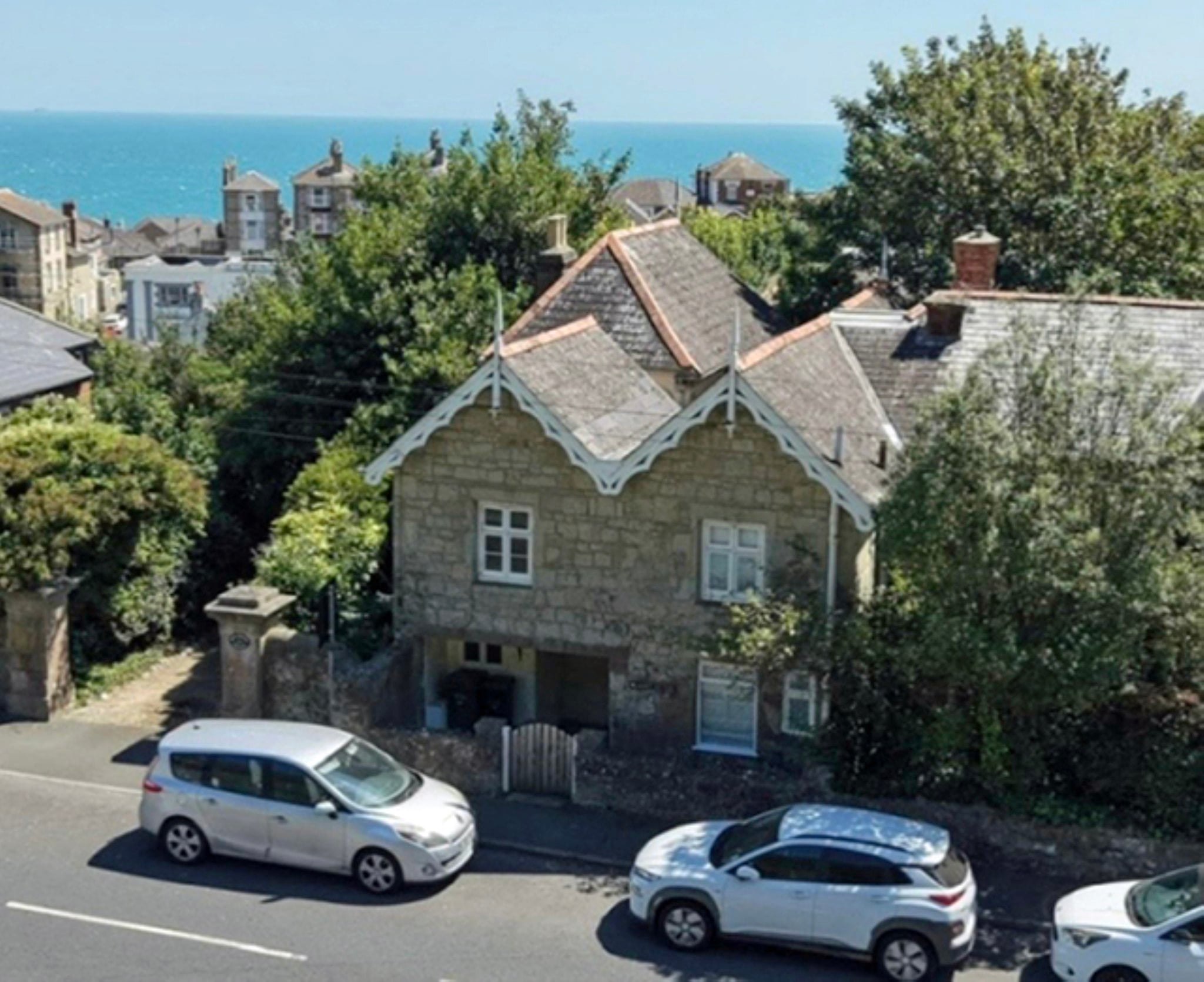





























Owning a home on the Isle of Wight comes with a unique set of opportunities and responsibilities. With its stunning coastline, charming villages, and peaceful countryside, the island offers an idyllic setting for homeowners. But whether you’re a lifelong resident or a recent arrival, it’s important to understand the nuances of owning and maintaining property in this beautiful location. From weather-proofing your home to understanding local planning regulations, here are some essential tips every Isle of Wight homeowner should know.
1. Regular Property Maintenance Is Key
Island weather can be unpredictable. Salty sea air, high winds, and heavy rainfall can take a toll on your home over time. To stay ahead of costly repairs, it’s important to perform routine checks—especially on your roof, gutters, and windows. Clearing debris from drains, checking for signs of damp, and making sure your chimney is in good shape can prevent long-term damage.
Make a seasonal maintenance checklist and stick to it. Spring and autumn are great times to inspect the exterior of your property and address any wear and tear caused by winter storms or summer sun.


2. Be Aware of Coastal Erosion and Flood Risks
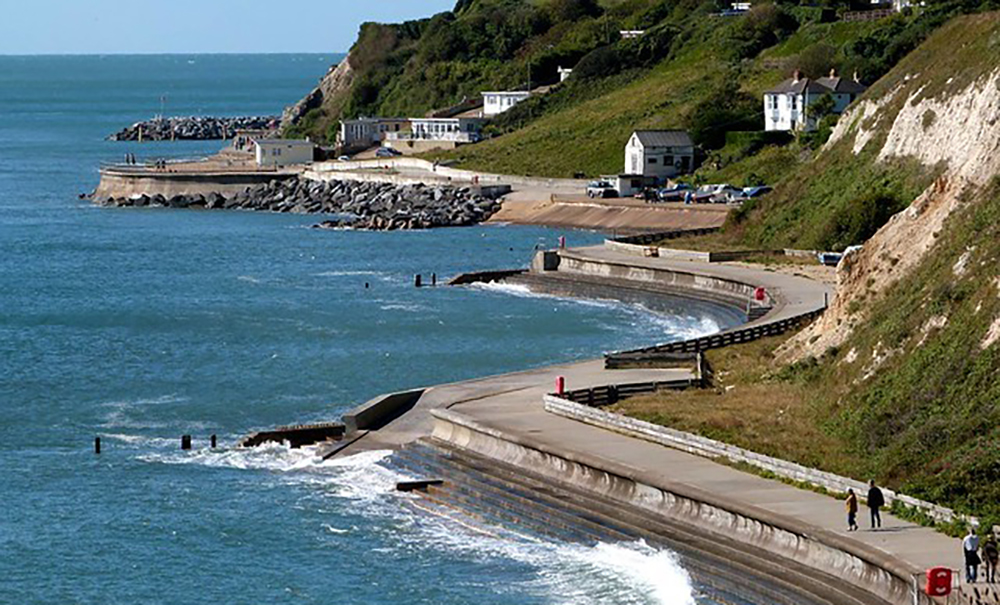
Living close to the sea has its perks, but it also comes with environmental risks. Certain areas of the Isle of Wight, such as Ventnor and Freshwater, are more prone to coastal erosion and flooding. Homeowners should keep up to date with Environment Agency reports and flood risk maps to understand how their area might be affected.
Consider flood barriers or sandbags if your home is in a higher-risk zone. Even if you’re not in a floodplain, it’s worth having a contingency plan for extreme weather events.
3. Stay Connected With the Community
One of the best parts of living on the Isle of Wight is the strong sense of community. Getting involved in local events, neighbourhood groups, or town councils can be a great way to stay informed about issues affecting your area. From local planning developments to environmental initiatives, having a voice in your community ensures that you’re part of shaping the place you call home.
This is especially helpful when it comes to shared resources or concerns, such as road access, drainage, or neighbourhood safety.
4. Understand the Local Property Market
The Isle of Wight housing market is unique. Prices can vary significantly between coastal towns, rural hamlets, and urban centres like Newport or Ryde. If you’re considering selling or renting out your property, it’s important to keep an eye on local trends and demand.

Work with local estate agents who understand the island’s distinct market. They can offer valuable insights into pricing, potential improvements for resale, or how to make your home more attractive to buyers or tenants.
5. Review Your Home Insurance Policy Regularly
Even in a relatively safe and quiet place like the Isle of Wight, homeowners should not overlook the importance of having the right insurance in place. Whether it’s protection from storm damage, theft, or liability claims, your policy is there to provide peace of mind.
In fact, understanding what your home insurance actually covers is essential for any Isle of Wight homeowner. Many residents don’t realise that standard policies may exclude certain types of damage, like flooding or subsidence. Be sure to review your documents carefully and consider speaking with an insurance advisor who’s familiar with the specific risks faced by island properties.
Additionally, if you make any changes to your home—such as adding an extension, installing solar panels, or converting a loft—you should update your insurer. Failing to do so might mean your claim is invalid in the event of a loss.
6. Think Long-Term With Energy Efficiency
Energy costs can be high, especially in older or less-insulated homes, which are common on the island. Investing in energy-efficient upgrades not only saves money over time but also reduces your environmental impact.
Consider installing double glazing, improving loft insulation, or switching to a heat pump system. There are often government schemes or local grants that can help offset the costs. Keeping your home warm in the winter and cool in the summer will also boost your comfort and property value.
7. Plan Ahead for Emergencies
Power outages, plumbing problems, or being temporarily cut off due to weather conditions are realities for many island residents. Keep an emergency kit at home that includes essentials like torches, batteries, non-perishable food, bottled water, and a basic first-aid kit.
It’s also smart to have a list of reliable local contractors, from electricians to roofers, so you’re not scrambling during a crisis.
Final Thoughts
Being a homeowner on the Isle of Wight is about more than owning a piece of real estate—it’s about becoming part of a vibrant, close-knit island community. With a little planning, regular maintenance, and a proactive approach to sustainability and safety, you can make the most of everything this unique setting has to offer. Whether you live near the shores of Shanklin or in the rural heart of the island, these essential tips will help you protect, enhance, and enjoy your island home for years to come.