























































Papers submitted by lawyers acting for the Isle of Wight Council, on the instruction of its Leader, Cllr Jonathan Bacon, ask the Supreme Court to reach a ‘bizarre’ conclusion that would risk criminalising thousands of parents on the Island and potentially millions throughout England and Wales.
The action also risks making the Council liable for huge claims for damages as it pursues its case against Jon Platt, the Island parent prosecuted for taking his daughter out of school for a few days in term time, according to Cllr Chris Whitehouse.
Speaking yesterday, Conservative Education Spokesman on the Island, Cllr Chris Whitehouse, said:


“Cllr Bacon has not informed the Council that his vindictive legal pursuit of Jon Platt no longer involves just that one case, but rather that he, without any mandate from elected members, is seeking to overturn every court ruling in similar cases.
“The papers to be read by the Supreme Court in the immediate future make it absolutely clear that Cllr Bacon wants any unauthorised absence from school, if for even one day, to be considered an offence on the part of the parents. This is complete and utter madness which risks criminalising thousands of parents on the Island and potentially millions nationally.”
Island MP, Andrew Turner, who has raised Mr Platt’s case in the House of Commons, added:
“For the Leader of the Isle of Wight Council to have taken it upon himself, without backing from the Full Council, to press for this extreme interpretation of the law, to the detriment of parents and practical commonsense, is frankly breath-taking. This is not the right way to handle this complex and sensitive issue. My hope is that the Supreme Court will decline to hear a case that would over-turn the verdicts of similar cases all around the country.”
The Isle of Wight Council could also be leaving itself vulnerable to hundreds of legal claims if Cllr Bacon’s case is successful. Cllr Whitehouse explained:

“The Council’s written guidance to parents was that regular attendance meant a child attending for 90-95% of the time. Parents, Mr Platt included, were entitled to rely upon that guidance. If they are now retrospectively criminalised for having acted in good faith on the advice given by the Council, they could take action for damage to their reputation. The liabilities being stored up for the future are potentially huge. Whilst the Department for Education has agreed to meet some of the legal costs of the case, this huge unknown liability would be faced by Island council tax-payers.”
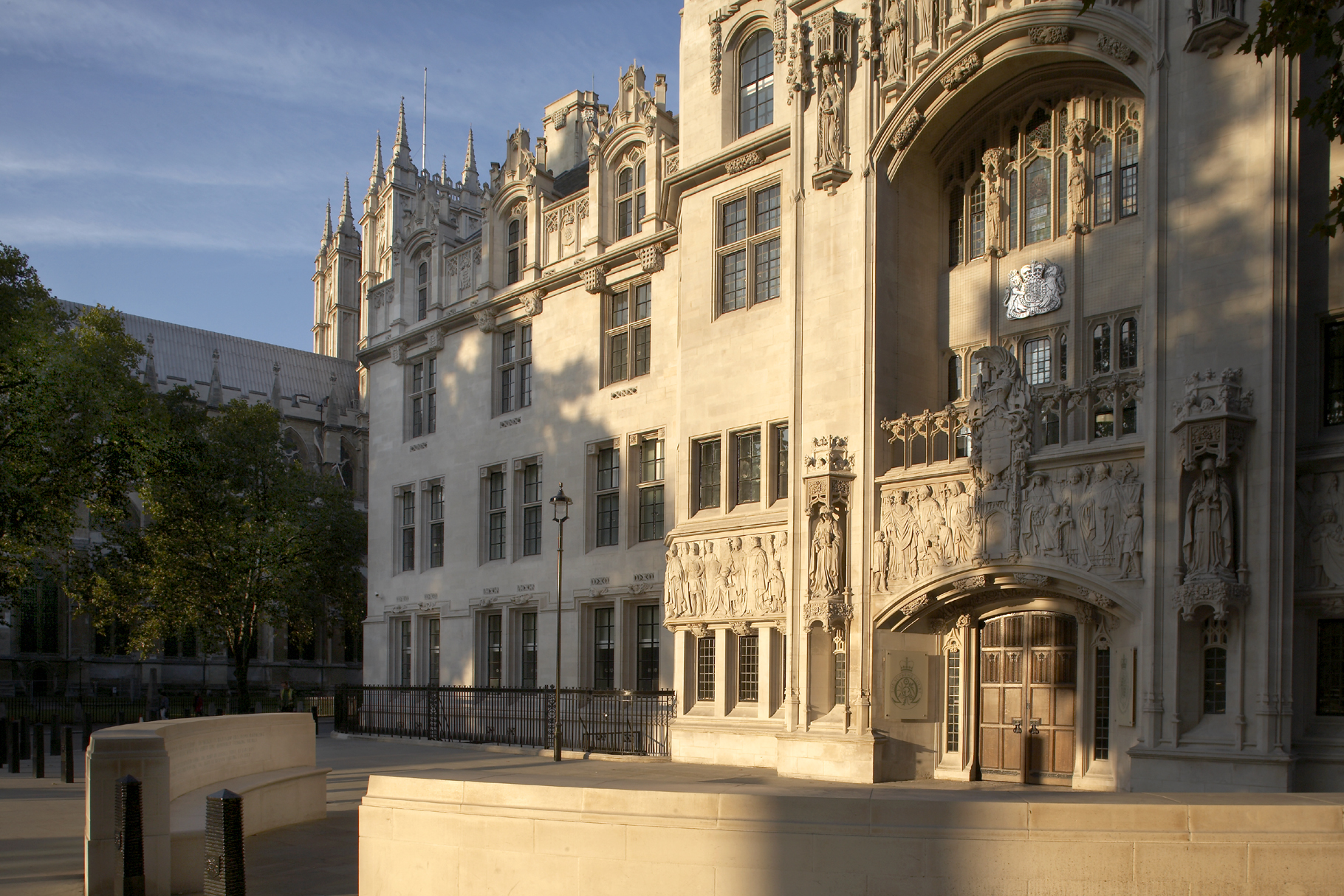
The submissions could be considered by the Supreme Court as soon as Monday 5th December.