











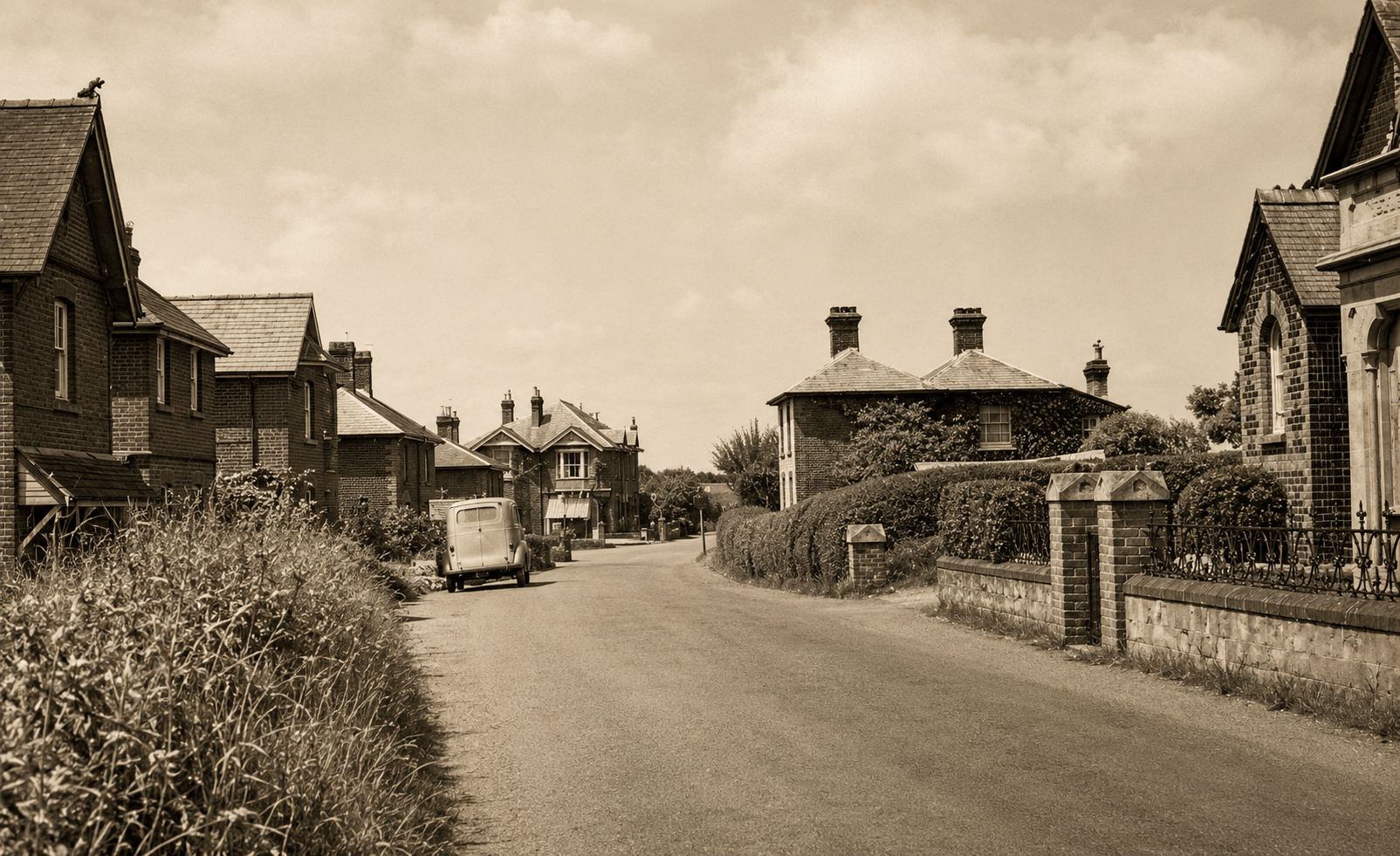



































Edward Edwards – a great pioneer of free libraries for all – died in his sleep in Niton at the age of 73 on this day in 1886.
This champion of books came from humble working class origins: his father was a London bricklayer and he was 1st employed as an apprentice in his father’s trade. When the building company went bankrupt, Edwards secured a temporary assistant post at the British Library.
Edwards campaigned to get a national system of free libraries. This was opposed by the-then Conservative party, on the grounds that the rich would be paying for something that they would not be using themselves.


In 1836, Edwards published an anonymous pamphlet, in which he argued against the restrictions that made education only accessible to a small elite. He also published a letter to Benjamin Hawes, who sat on the parliamentary select committee on the British Museum, with numerous suggestions for the improvement of the museum library, including longer opening hours to extend the use of the library to a wider class of person. The letter caused much discussion in the academic world.
Edwards’ campaigning brought him to the attention of the management of the British Museum. He joined the staff and became a supernumerary assistant in the printed books department.
The former apprentice bricklayer then became the 1st librarian of the Manchester Free Library. This was a prestigious institution, whose opening was attended by the literary giants William Thackeray and Charles Dickens. However, Edwards’ radical views did not endear him to the library’s management, and he was dismissed from his post in 1858.

After being dismissed from library employment, Edwards wrote articles for the 8th edition of Encyclopedia Britannica and a biography of Sir Walter Raleigh. In 1870, he returned to librarianship and was engaged to catalogue the library of Queen’s College, Oxford. When the Library Association was formed in 1877, he was proposed as its 1st president but had to refuse on account of his deafness.

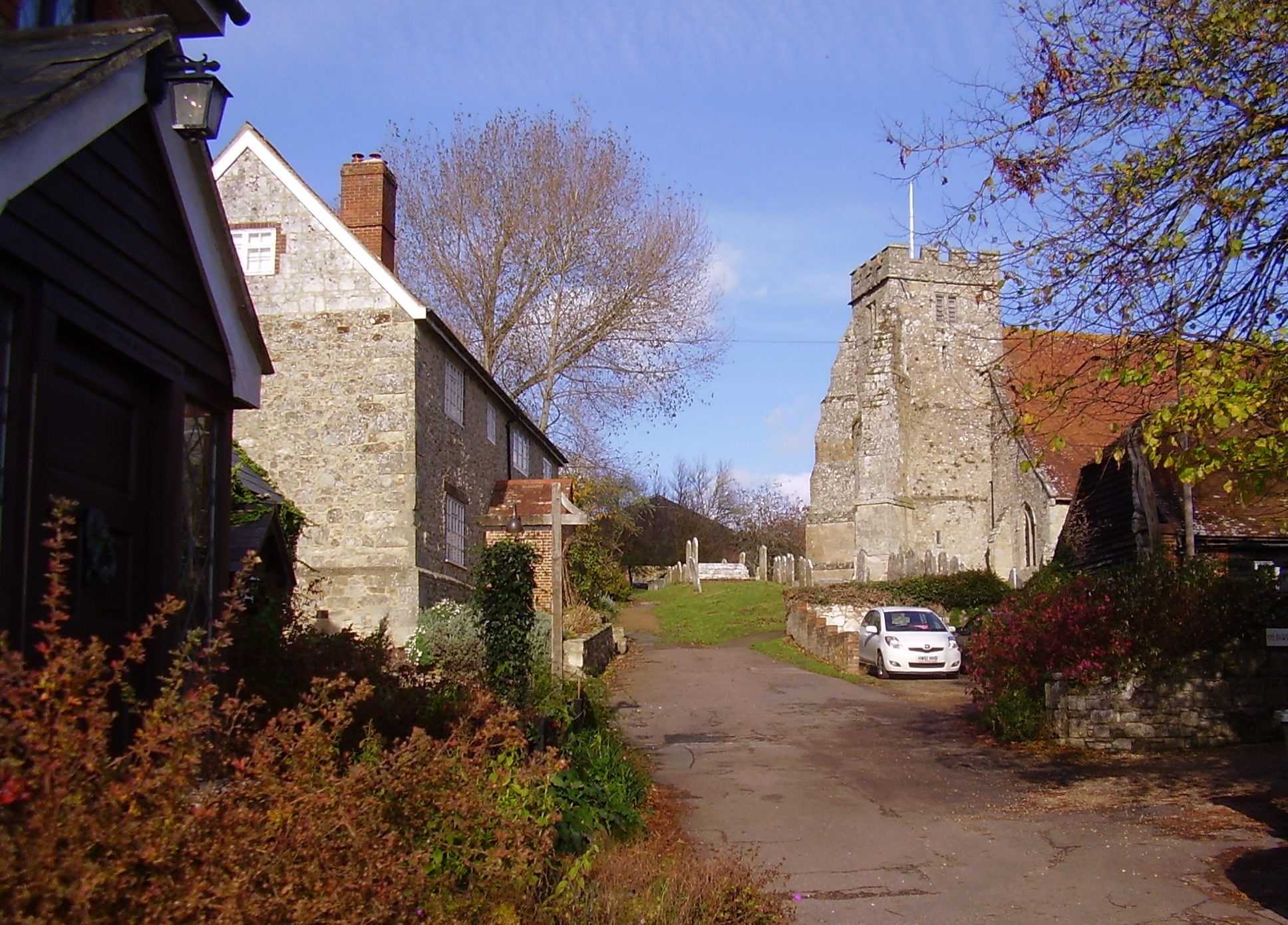
Edwards’ employment in Oxford was terminated in 1882 for reasons of economy. He then retired to Niton here on the Isle of Wight, where he had frequently spent his vacations.
Unfortunately, Edwards spent his final years on the Island in poverty. He was evicted from his house for non-payment of rent, after which he was taken in by the Revd John Harrison, a Baptist Minister.
In his retirement, Edwards’ behaviour became increasingly eccentric. In 1885, he got lost on an excursion and was only found after several days in a state of hypothermia in a roofless building close to the Pepperpot on St Catherine’s Down. He then developed pneumonia.
After Edwards’ death, he was buried in an unmarked grave at Niton churchyard. The story of his life and writings, successes and failures, can be read in ‘Edward Edwards’ the book by Thomas Greenwood.
His biographer paid his debts and erected a monument over his grave in 1902. Niton Library has been named in his honour: Edward Edwards Community Library.
Edward Edwards did not like to be photographed; therefore, we have no images of his appearance. However, he was described as above middle height, with white bushy hair below a bald pate, long whiskers and a florid face. The frock coat and silk hat he habitually wore were said to be very shabby.










A very interesting article,more of them please
Thanks Echo, a really interesting article. Amazing lives people have led and even more impressive when not being ‘born into’ money.
The graveyards of the Island must have many interesting bodies whose stories of their lives will never be known or told. Yet I imagine their lives and what they achieved would amaze and inspire us all if known.
Nice to have one almost forgotten soul remembered though.
I could be mistaken…..?
I think there is/was a museum dedicated to him on the second floor of Plashet Park library in Manor park/East ham in London.
I’m glad I’m not the only one who still loves a library!