


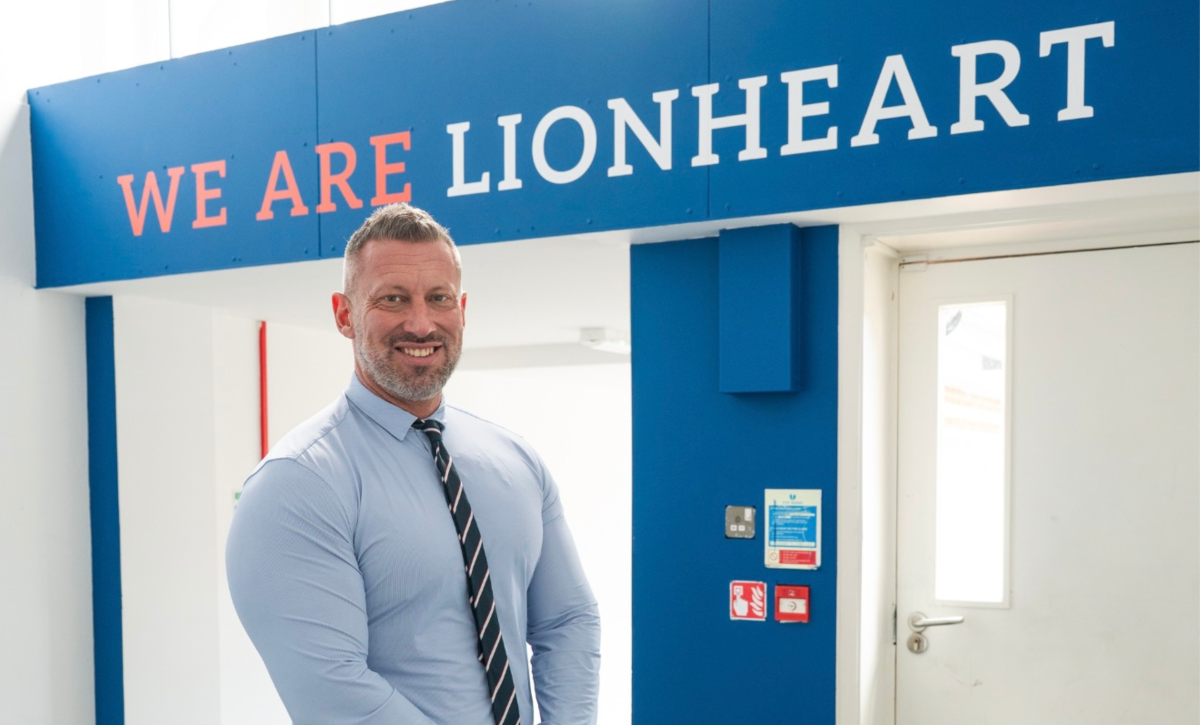








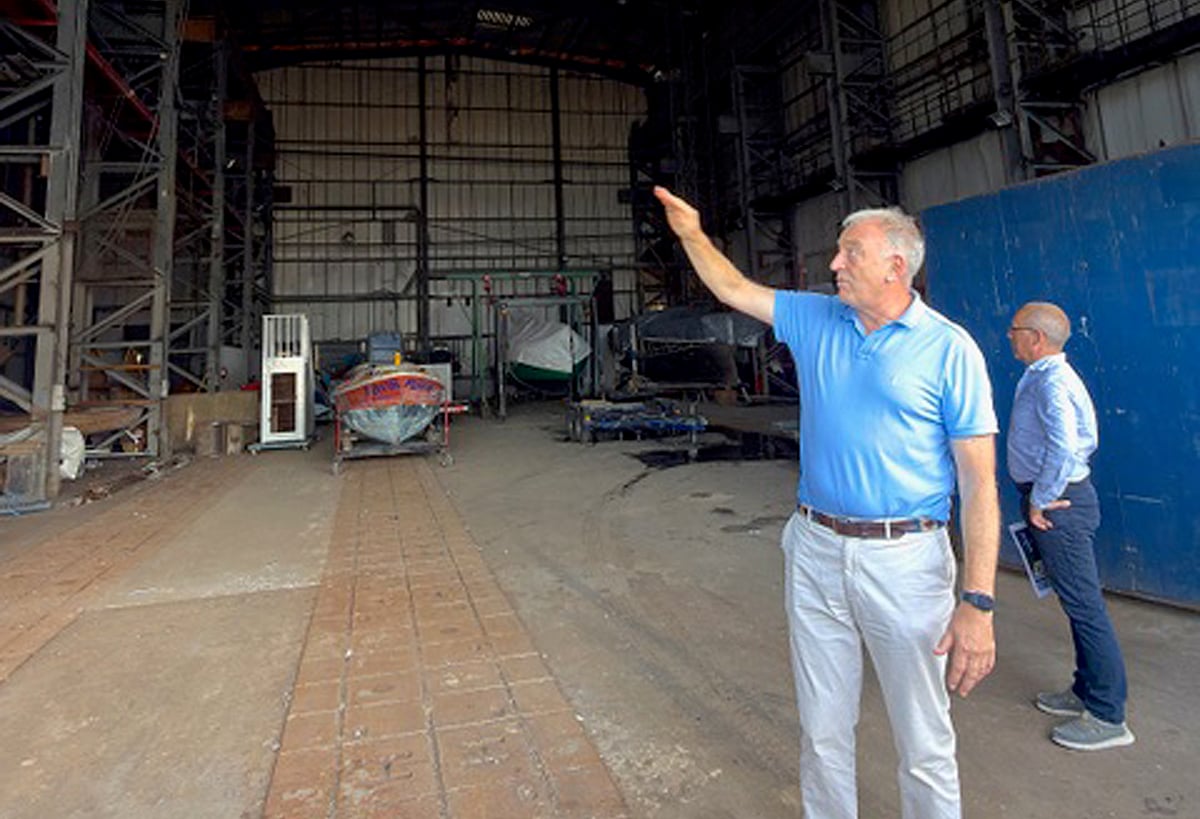




























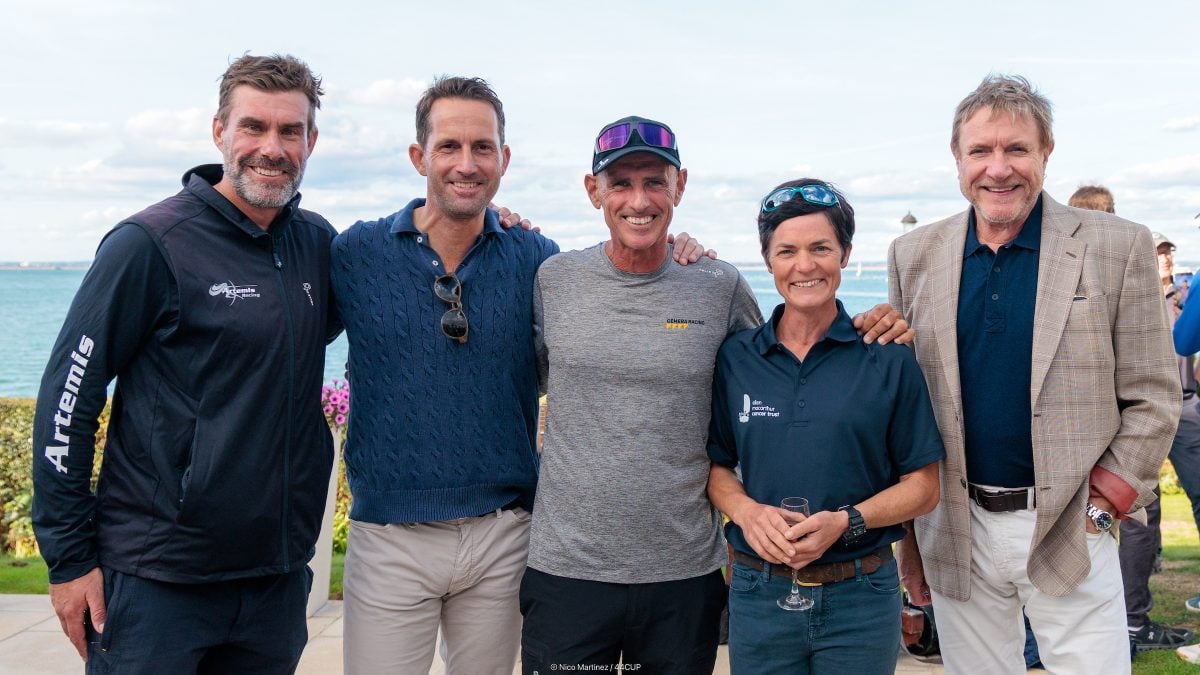








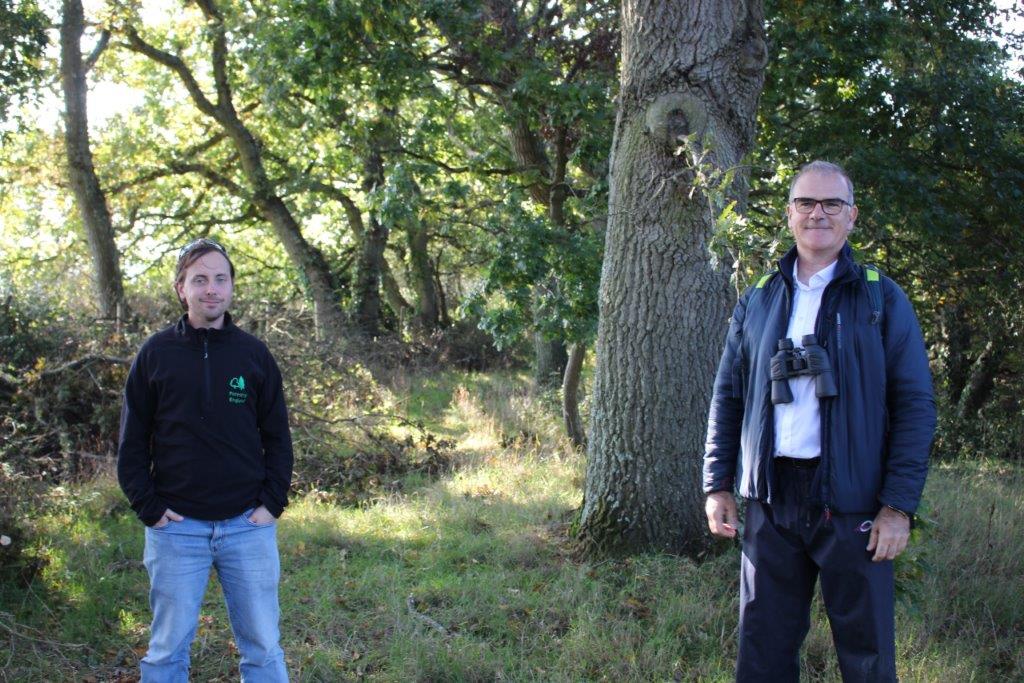

Wightlink’s Chief Executive Keith Greenfield was lucky enough to catch a glimpse of several rare sea eagles on the Isle of Wight during a recent guided walk with Forestry England’s white-tailed eagle project officer, Steve Egerton-Read.
Wightlink has been working with the team behind the wildlife project. It is part of a monitoring group representing a range of local and national organisations supporting the project run by Forestry England and the Roy Dennis Foundation. The company has also provided complimentary ferry travel to team members working on the re-introduction of the rare birds of prey to England.
During the day, Keith got an insight into the progress of the second group of eagles released this summer and how they have settled into their new surroundings. The ambitious project aims to re-establish a population of up to eight breeding pairs over the next 5 years.


The project was featured on Autumnwatch last night, presented by Chris Packham.

Steve Egerton-Read says:
“We are really grateful to Wightlink for their support and involvement with the project. I am glad we managed to see some of the birds on our travels and experience just how special they are in the skies above the Island.
“Although we are only two years into a five year project – and it will take time for the young eagles to become established – we are pleased with progress so far, we hope that from the initial translocated birds we might establish a population of six to eight breeding pairs in southern England. Hopefully, white-tailed eagles will become a familiar sight on the south coast in the not too distant future.”
Keith comments:

“I felt hugely privileged to see these magnificent creatures in this beautiful Island habitat, they are clearly thriving in their surroundings. We are delighted to play a part in supporting the team behind this important project and look forward to following the progress of the birds as the project develops.”
This year, 7 birds were released on the Isle of Wight, joining 4 birds from last year’s release. Sea eagles have been absent from the south coast for 240 years so their reintroduction is hugely significant.









Whilst truly admiring these huge birds, I do fear that our rare Squirrel population will end up being decimated by these birds.
I know for a fact that Buzzards use them as a food source, as have found a tail under tree, which is used by Buzzards to eat at Ashey.
So, with Newtown, Hampstead etc having large pine forests, the home of our red Squirrel population, being the place where most of the huge Sea Eagles most reside and feed, one wonders if the Winter, when a red Squirrel is easy to spot for such Birds that our more secretive, yet equally as important creature will be the ones to ‘pay the price’ for the ‘larger, more showy, and dramatic new comer to our Island shores.
Would be a huge price to pay, if I am right, when other areas of the UK could have been used to introduce these birds, where Red Squirrels are rare or non existent already.
As we should have learnt by now, there is often a ‘huge’ price to pay for messing with what nature or time has altered, usually for a very good reason.
I thought the same whilst watching it. There are many areas where reds don’t exist anyway in the UK, so why here? Many forested areas have sea and harbours where these beautiful birds could live without causing such risk to an already threatened species.
Will be fine until the harbour mullet numbers decline, then ‘red meat’ on their menu I fear.
We have watched them from our home, they are so beautiful. Yet share your fears too, as our Squirrels feed in our garden, so are easy prey now.
Red squirrels are mostly as you say in forests and these eagles wingspans are far too big to swoop successfully in dense forest areas they tend to stick to more open ground so I feel our squirrel population may be ok.
Good point Smithy, hope you are correct, as we too often see, the introduction of non indigenous living creatures can cause untold damage. But you hopefully right where there huge size may prevent the Red meat being on their menu too often
I saw one at Newtown, massive, impressive birds, but will eat a lot. So numbers will need to be watched to avoid our existing native wildlife from becoming extinct or suffering huge destruction.
Let’s hope there is enough carrion and Mullet to feed these beauties.
Why not introduce a bird of prey that will eat seagulls
They taste horrid that’s why.