













































Sir Samuel Gurney-Dixon formally declared the Isle of Wight Technical College open in Newport on 10th March 1951 – 75 years ago today.
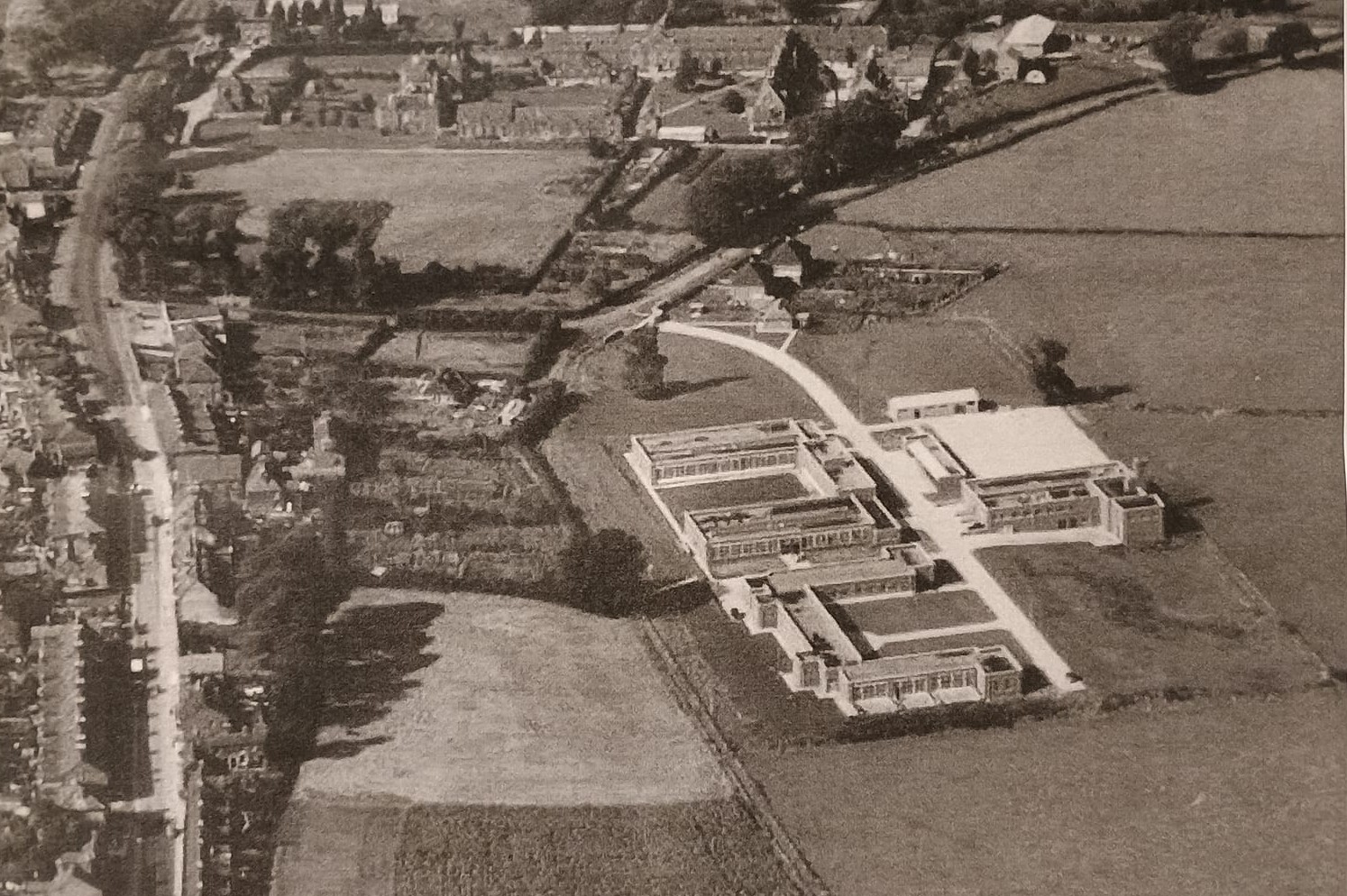
On a 20-acre stretch of former farmland, the Island staged a bold post-war statement. Costing around £200,000 – about £8 million in today’s money – the new Technical College was far more than an educational upgrade. It was a serious investment in skills, industry and long-term economic strength.
The college replaced the overcrowded Cowes Engineering School and the County Building School at East Cowes, bringing technical training together on a single, purpose-built campus. For the 1st time, modern workshops, laboratories and classrooms were concentrated in one location.


Demand was immediate. In its 1st year alone, around 400 day students enrolled, alongside 75 part-time evening students. Apprentices, school leavers and working adults shared benches and drawing boards – clear evidence of how urgently technical training was needed in the early 1950s.
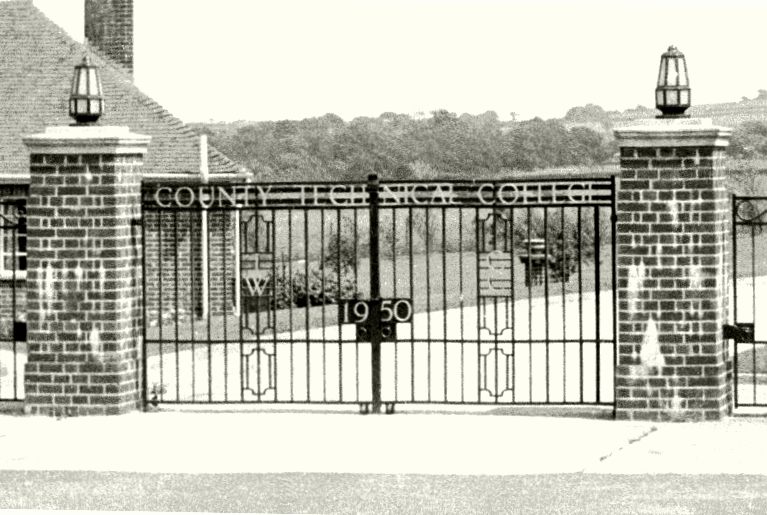
The 1st certificates reflected both local character and national ambition. Naval architecture, electrical engineering, marine mechanical engineering and aero mechanical engineering formed the backbone of provision – subjects closely aligned with the Island’s maritime and engineering heritage.
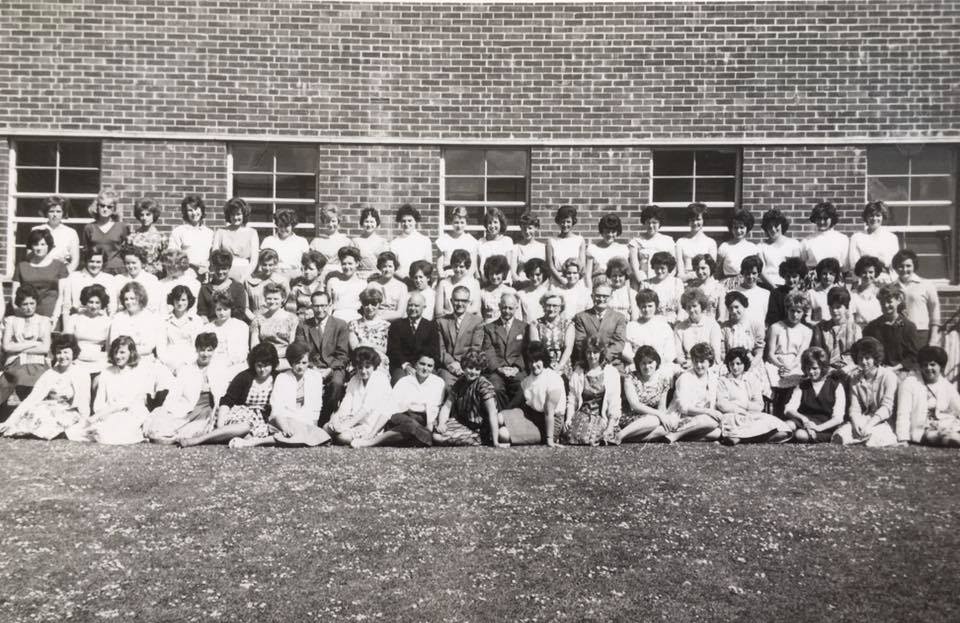
Practical trades were equally central. Carpentry, joinery, plumbing, gasfitting and woodworking machinery were established from the outset. Plans were already under way for wholesale and retail distribution, catering and agricultural engineering, alongside emerging fields such as electronics, telecommunications and public administration. Later expansions would include departments described at the time as “women’s subjects” – a reminder of both growth and the social language of the era.
At the ceremony, Sir Samuel – former chairman of the Hampshire County Education Committee – set the project against a stark national backdrop:
“Our exports were now forced to compete with those in other and increasingly industrialised countries, which called for highly trained craftsmen, skilled workers and technicians… Two desperately fought wars had brought home to us once more the urgent need for trained craftsmen and technicians. I can do nothing else but congratulate the Island on a project aimed at increasing their number.”
Article continues below this advertisement

It was not simply congratulation. It was a call to action. Britain’s prosperity depended on standards, training and competitiveness – and the Technical College was designed to supply them.
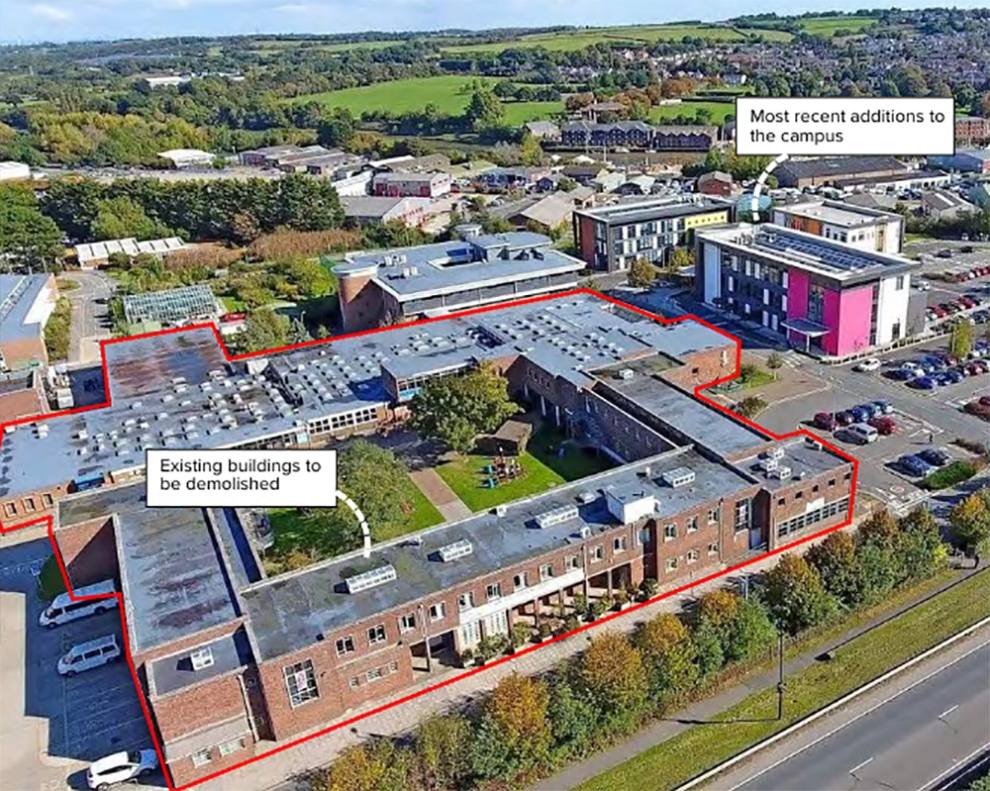
What began in 1951 as the Isle of Wight Technical College – now known as The Isle of Wight College – quickly became a cornerstone of Island life, shaping trades, businesses and careers for generations.
Did you study there in the 1950s, 60s or 70s – or remember its early workshops and lecturers? Share your memories and photographs in the comments below.