





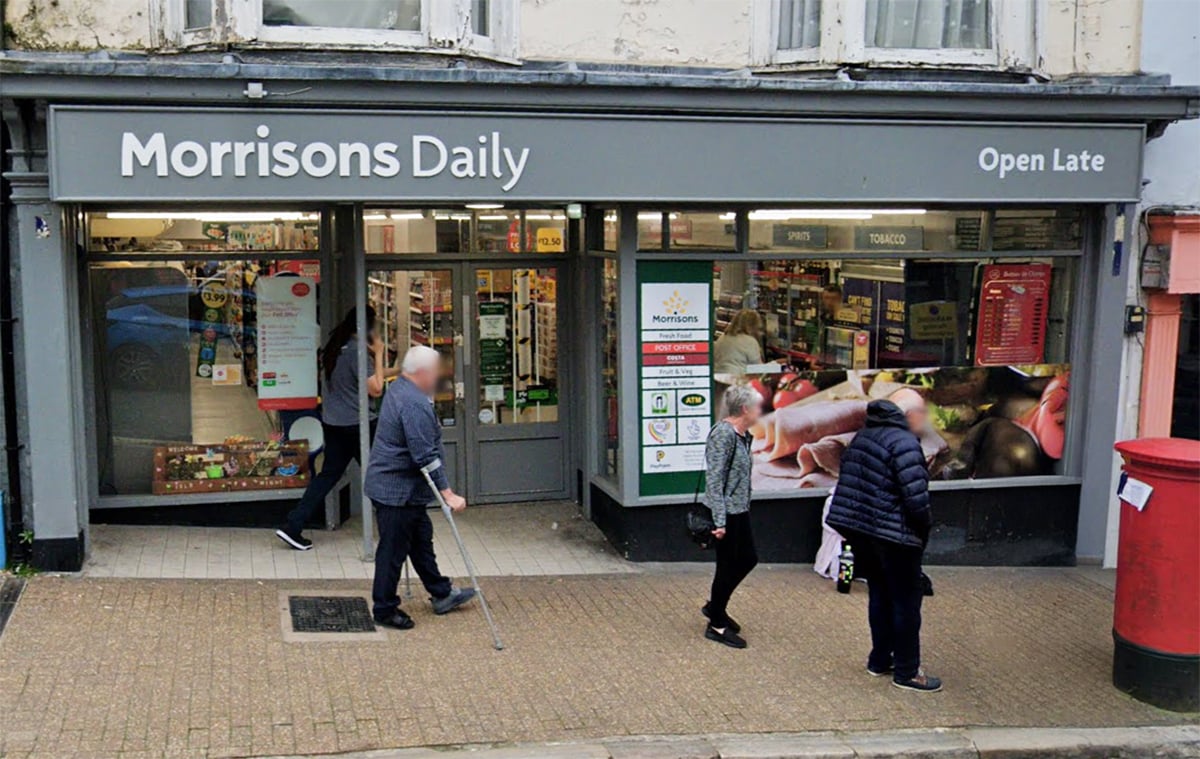

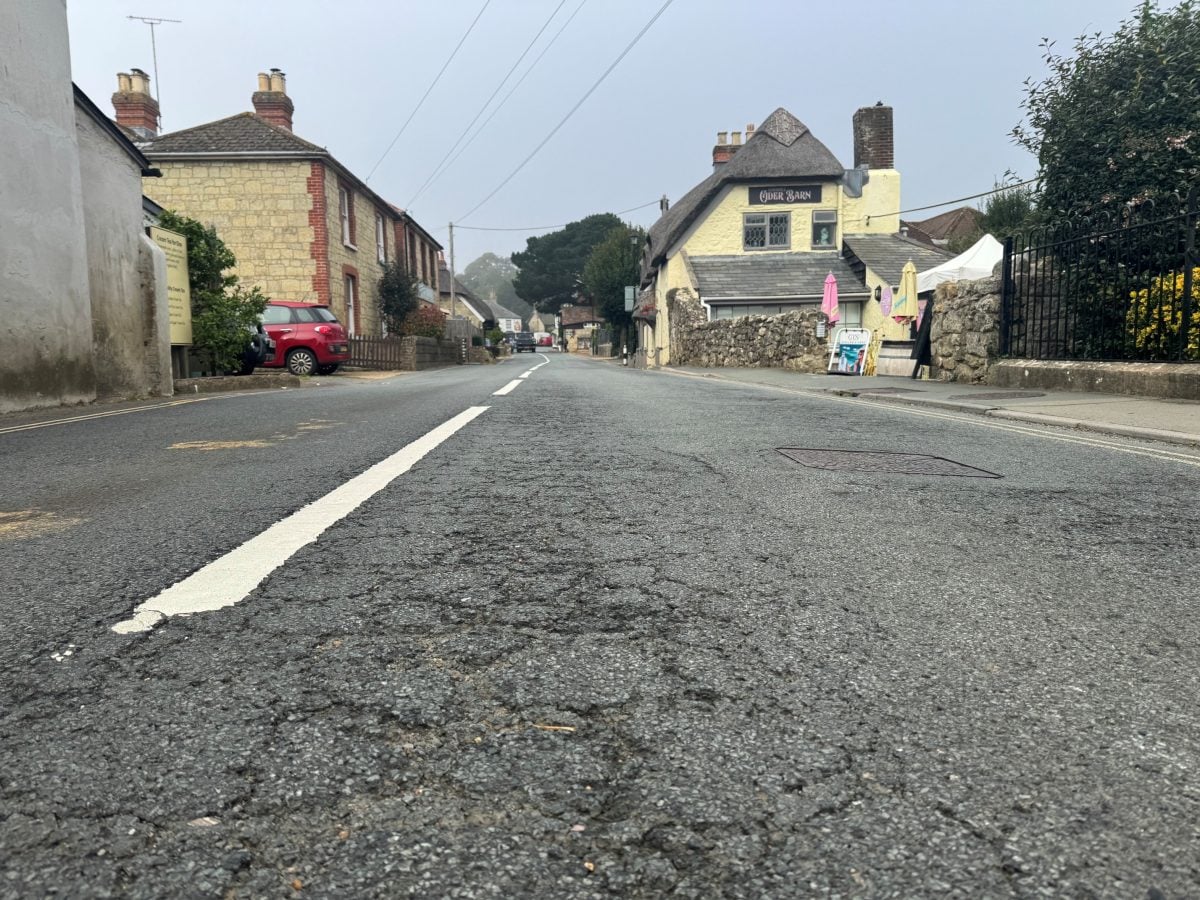
































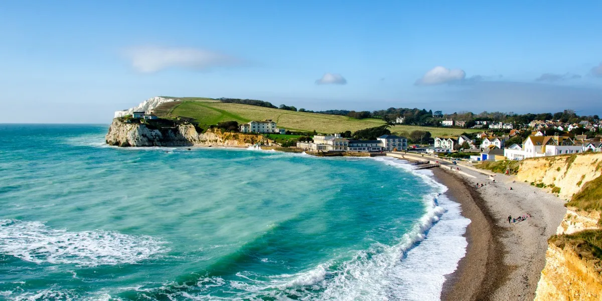

There’s a particular rhythm to life on the Isle of Wight that mainlanders rarely catch until they’ve spent a winter here, when mornings begin with the same handful of faces at the bakery in Cowes or the post office in Brighstone, and by lunchtime half the village seems to know who’s had a baby, who’s selling their boat and who finally got planning permission through. That intimacy is a gift, though it’s also a low-grade tax on solitude, and islanders have learned to pay it without resentment because the alternative, anonymity, feels worse.
What outsiders tend to miss is the second half of that equation, because behind the bunting, the village fêtes and the WhatsApp groups for every lane and lifeboat appeal there’s a quieter discipline at work: the deliberate protection of personal time. The regulator’s most recent figures point to four and a half hours of daily internet use per UK adult, and islanders are no exception, with the smartphone wedging itself into the gap between the school run and the dog walk just as ruthlessly here as in Manchester or Birmingham, even if the Wi-Fi falters the moment you turn off the main road.
What differs is what people do with that time, because a Tuesday evening on the Island can mean a swim at Compton, a pint at the Buddle in Niton, or simply pulling the curtains and not answering the door. Solitude here is plentiful and topographically guaranteed.


Plenty of islanders treat their downtime as a counterweight to how exposed they feel during the day, so the same woman who runs the village quiz every other Thursday disappears for hours into a paperback, a podcast or a long, looping cycle along the Red Squirrel Trail; the 200 miles of cycleways exist partly because there’s a real appetite for being alone in motion, and digital habits follow much the same pattern, being short, contained and deliberately ended.
Anyone who’s watched the evening shift in a village pub will recognise the choreography, with phones coming out between rounds and the choice of what’s on that screen saying a lot about how someone manages the rest of their week, whether it’s a news app, a fitness tracker or a casual game picked up and put down between sips.
That self-contained logic is what’s reshaped the wider entertainment industry too, with the home-leisure market increasingly built around portable, self-contained sessions you can fit between a dog walk and dinner. Audiobook apps, streaming series, casual mobile games and operators like jasmin slots have all leaned into that rhythm, designing for the half-hour gap rather than the whole evening, with faster load times on patchy rural broadband and a quieter, less demanding presence on the home screen than the social platforms they share space with.
There’s something quietly telling about how rural communities use these private digital spaces, since research into wellbeing in close-knit rural networks across the UK has consistently found that smaller places generate denser social ties but less frequent face-to-face contact than cities, which leaves more empty hours to fill. Filling them well, without sliding into the kind of doom-scrolling that hollows a person out by Sunday night, has become a small art form on the Island, where people talk openly about screen fasts and walking groups that ban WhatsApp for the duration of the route.
Is any of this sustainable as the Island ages and the broadband finally arrives? The over-65s already make up more than a quarter of the population in places like Ventnor and Shanklin, and the loneliness research keeps stacking up against them.

You hear the tension in conversations at the Garlic Festival or down on Newport Quay, where older residents describe the village as warmer than anywhere they’ve lived and then mention in the same breath that they hadn’t spoken to a soul for three days before a befriender turned up with a thermos, while younger islanders grumble about being trapped in everyone’s business and then spend Saturday night entirely alone with a film and a curry. Both groups are doing the same thing from opposite directions, calibrating how much community they can stand before retreating, and how much retreat they can stand before reaching back out.
Institutions have started to take that calibration seriously, and what local charities are quietly building together makes the case that connection here can’t be left to chance or to the postman: it has to be engineered, especially for those who can’t easily drive themselves to a social club. Men’s Sheds, memory cafés and equine sessions for people on the dementia pathway don’t sound revolutionary on paper, but together they stitch a safety net under the slower, more isolated end of Island life.
The younger end manages itself differently, through surf clubs at Compton, the Cowes Week crews who absorb teenagers wholesale every August and the festival economy that doubles the place each summer, all of which create scheduled, opt-in togetherness with a clear end time: you go, you commit, you leave, and your personal evening is still your own afterwards.
Some of it will erode, of course, as faster fibre, more incomers and the slow drift of the high streets into chain-store sameness chip at the texture year on year, but the Island has weathered bigger shifts than these, and the instinct to balance shoulder-to-shoulder living with solo hours looks, on present evidence, durable enough for now.