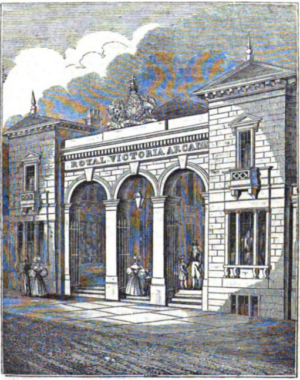










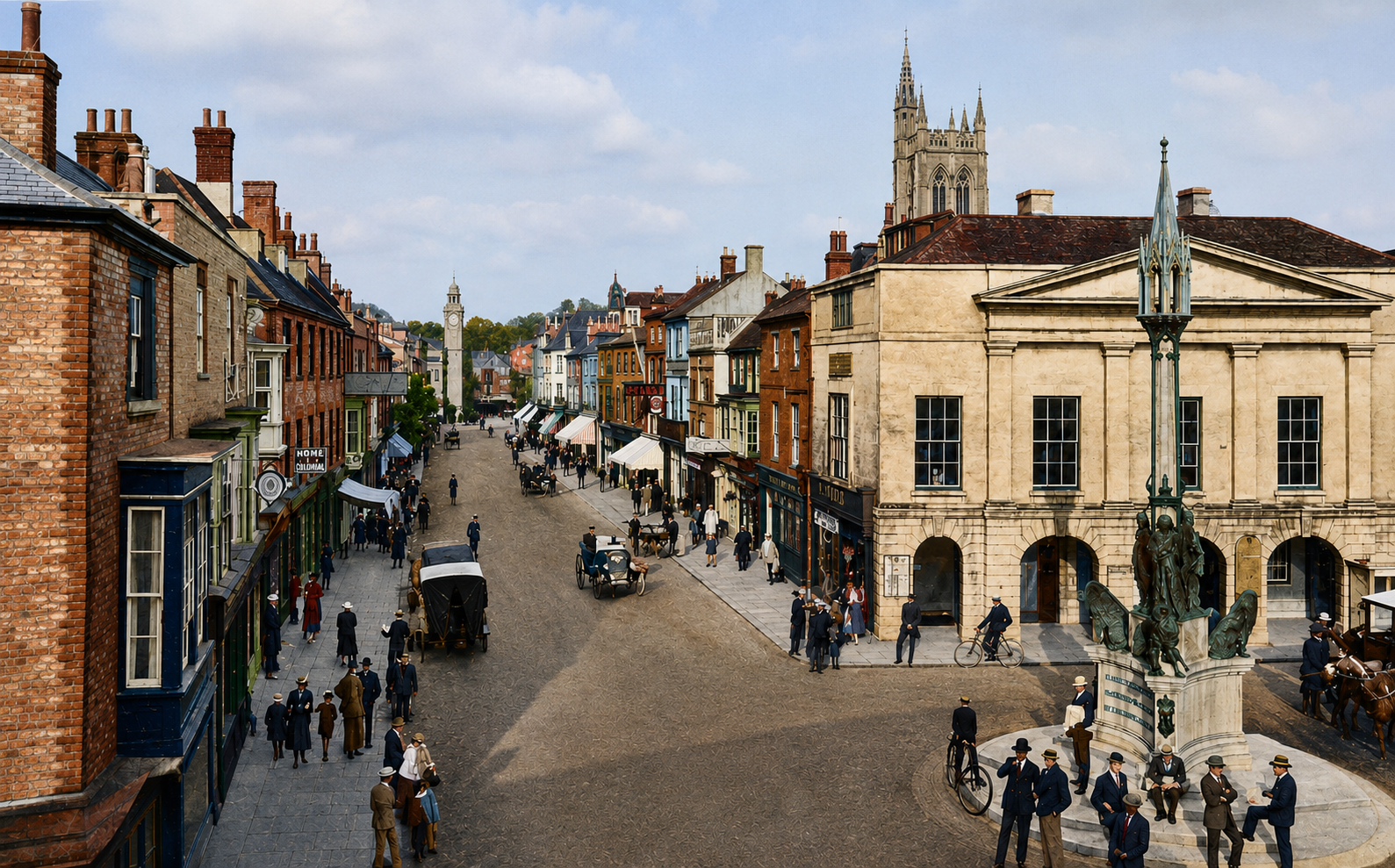

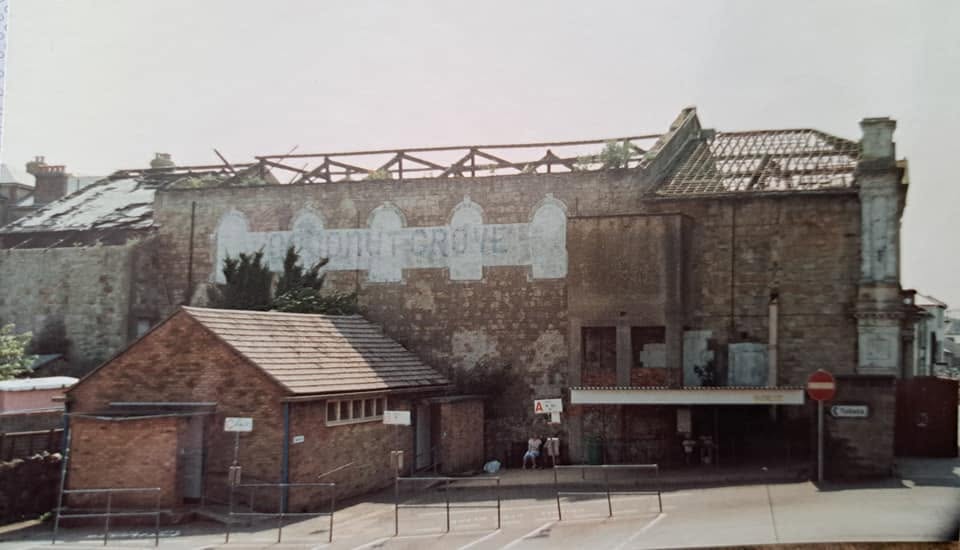

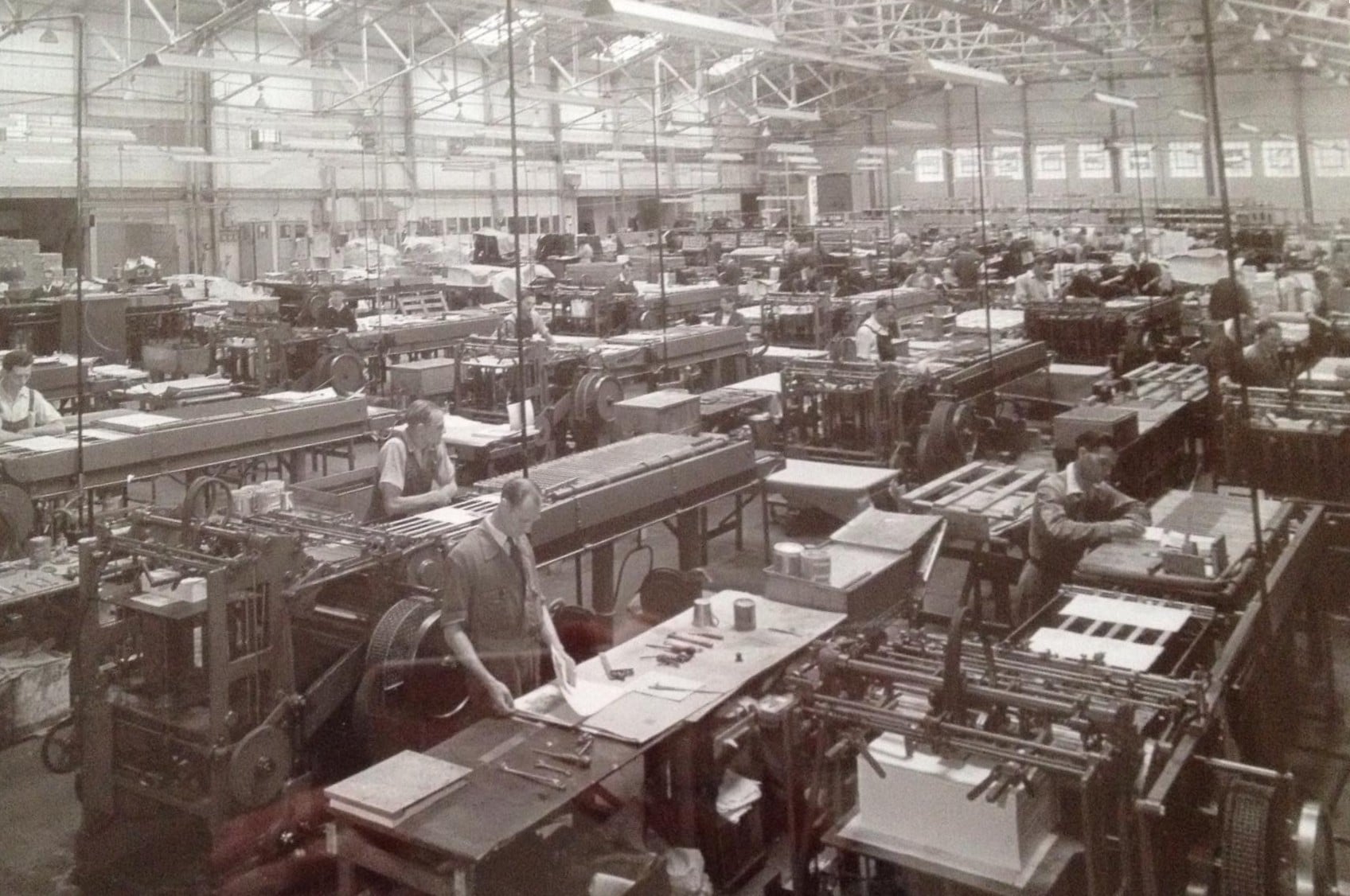

















































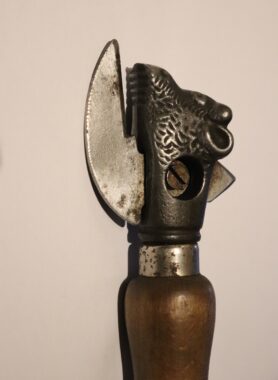
 What is believed to be the most commercially successful can opener of the 19th century was designed, made and patented by Ryde man Henry Knight in 1881. Henry was born in Worthing before moving to the Isle of Wight with his wife, Harriett, and their family around 1855. He was a former owner of Royal Victoria Arcade, which he bought for £3,000 in 1856 (£267,000 in today’s values). It is not always the ‘big’ inventions that cause the greatest changes in our lives. Canned food was around long before the tin opener. Tin cans were used by the Dutch Navy from at least the 1770s. In the United Kingdom, tin cans were patented by Peter Durand in 1810. The world’s 1st canning factory was set up in London in 1813. The early cans were robust containers, which could weigh more than the food they contained. They required ingenuity to open, using whatever tools were to hand. The tin cans carried the following instructions:
“Cut round top near the outer edge with a chisel and hammer.”
It took until the middle of the 19th century for lever-type can openers to appear. In the 1880s, automatic can-making machinery was introduced in Britain. Lighter materials created the opportunity for Henry Knight’s revolutionary tin opening device.