



























































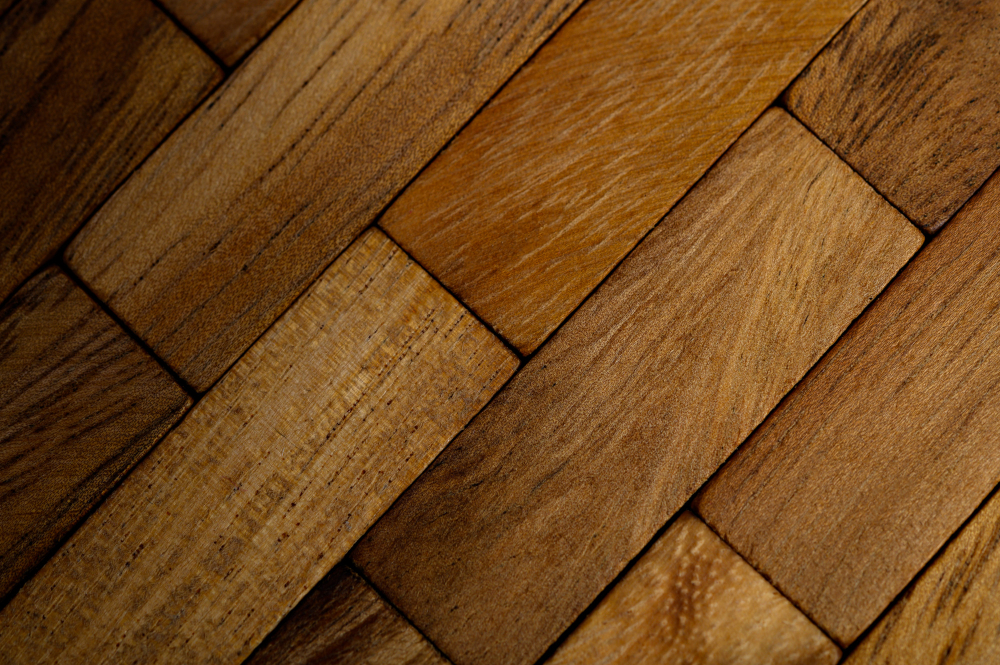

Parquet flooring has a way of transforming a room without trying too hard. The geometric patterns, the natural grain, the warmth underfoot, it all comes together in a floor that feels considered rather than chosen in a hurry. But before any of that beauty becomes a reality, you need to make the right call on wood species. The type of wood you select will determine how your floor looks, how it holds up over time, and how well it suits your lifestyle. This guide breaks down the best wood types for parquet flooring so you can make a confident, well-informed choice.
What Makes a Wood Species Ideal for Parquet Flooring?
Not every wood species is suited to life on the floor. Parquet demands a lot from a material; it needs to handle foot traffic, resist wear, hold its shape across temperature and humidity changes, and still look good after years of use.
The most important factor is hardness. Wood hardness is typically measured on the Janka scale, which tests how much force a wood species can resist before it dents. For parquet flooring, a higher Janka rating generally translates to better durability in high-traffic areas. Softwoods tend to scratch and dent too easily for this purpose, so hardwoods are the standard choice.


Beyond hardness, stability matters. A species that expands and contracts dramatically with seasonal moisture changes can cause gaps, warping, or squeaking over time. Stability is especially important in rooms with underfloor heating.
Finally, there is aesthetics. Grain pattern, colour tone, and the way a wood responds to stain or finish all influence how the final floor looks. That’s why Luxury Flooring’s selection of durable parquet flooring or some collections of parquet flooring from other trusted brands stand out, offering a variety of species that perform well across all three key factors: hardness, stability, and visual appeal.
Oak: The Gold Standard for Parquet Flooring
If you ask most flooring specialists to name the single best wood for parquet, oak is the answer you’ll hear most often. And for good reason.
European oak sits comfortably in the mid-to-high range on the Janka hardness scale, which means it resists everyday dents and scratches without being so hard that it becomes brittle. It is also one of the more dimensionally stable hardwoods available, which makes it a strong fit for homes with underfloor heating systems.
The grain structure of oak is part of its enduring appeal. The medullary rays, those fine, silvery flecks that appear in quarter-sawn oak, give it a visual character that simply does not get old. Oak also takes stain exceptionally well. Whether you prefer a natural, pale tone or a deep, smoked finish, oak adapts.

From a practical standpoint, oak parquet floors are straightforward to sand and refinish. That means minor surface damage, over time, does not spell the end of the floor. You can restore it rather than replace it, which makes oak a sound long-term investment.
For most homes, oak remains the first species to consider.
Walnut: The Premium Choice for Luxury Interiors
Walnut occupies a different space from oak. Where oak is versatile and broadly applicable, walnut is specific; it has a depth and richness that suits interiors where luxury is the deliberate intention.
The colour of walnut ranges from a warm mid-brown to a darker chocolate tone, often with subtle purple or grey undertones running through the grain. In a parquet layout, those tonal variations become part of the pattern, and the result is a floor with real visual depth.
In terms of hardness, walnut is slightly softer than oak on the Janka scale. This is worth bearing in mind for high-traffic areas such as hallways or open-plan kitchens. But, in spaces where aesthetics take priority over heavy wear, a principal bedroom, a formal sitting room, a home study, walnut performs beautifully.
One consideration with walnut is its sensitivity to direct sunlight. Over time, UV exposure can lighten the colour significantly. In rooms with large south-facing windows, this is something to plan around with appropriate window treatments or UV-filtering finishes.
Despite these considerations, walnut remains one of the most visually striking choices you can make for a parquet floor.
Ash, Maple, and Other Hardwood Alternatives Worth Considering
Oak and walnut dominate the conversation around parquet, but they are not the only options worth your attention.
- Ash is a pale, light-toned hardwood with a strong, open grain. It scores well on the Janka scale, harder than oak in most cases, and its natural colour brings brightness to darker rooms. Ash also responds well to different stains, so it can mimic a range of looks while retaining its structural benefits.
- Maple is another excellent option, particularly for those who prefer a tight, fine grain over a more pronounced wood character. Hard maple is one of the denser domestic hardwoods available, and its smooth, even surface makes it a popular choice in commercial spaces as well. At home, it works well in contemporary and minimalist interiors.
- Beech deserves a mention too. It has a tight grain, a pale reddish-brown tone, and solid hardness. Beech is less stable than oak under humidity changes, but, so it tends to perform better in climate-controlled environments.
Each of these alternatives gives you a different aesthetic result. The right choice depends on your existing interior palette and the level of foot traffic your floor will see.
Exotic Wood Species for a Distinctive Parquet Floor
For a floor that stands apart from anything commonly seen, exotic hardwoods are worth exploring. These species typically come from tropical regions and offer hardness levels, colour tones, and grain patterns that you simply cannot find in European domestic timbers.
- Merbau, for example, is a rich reddish-brown hardwood from Southeast Asia with a naturally high oil content. This makes it resistant to moisture and movement, and its deep colour creates a bold, warm presence in a room.
- Wenge is a very dark, almost espresso-toned wood with a distinctive coarse grain. In a parquet setting, wenge creates a dramatic, high-contrast floor that suits modern, architectural interiors with confidence.
- Iroko offers a mid-brown tone with a slightly interlocked grain, and it holds up well in busy households. It is often compared in durability to teak, though it comes at a lower price point.
One important note with exotic species: always check that the timber you purchase holds credible sustainability certification. Responsibly sourced exotic hardwood supports responsible forestry practices and gives you confidence in your purchase.
How to Choose the Right Wood Type for Your Home
With several strong options in front of you, narrowing down the choice comes down to a few practical questions.
- Where is the floor going? High-traffic areas, hallways, kitchens, open-plan living spaces, call for harder, more durable species such as oak, ash, or maple. Lower-traffic rooms give you more freedom to explore softer or more aesthetically led choices like walnut.
- Do you have underfloor heating? Not all wood species respond well to heat. Oak and some engineered formats handle it better than most. Always confirm compatibility with your installer before committing to a species.
- What is your interior style? Light, contemporary spaces tend to suit ash, maple, or pale oak. Warmer, traditional interiors often work well with mid-brown oak or walnut. Darker, more dramatic interiors benefit from wenge or smoked finishes.
- What is your budget? Domestic hardwoods like oak are generally more accessible in price. Walnut and exotic species sit at a higher price point, though the visual return can justify the investment in the right space.
Take your time with this decision. The floor is one of the most permanent features in a room, and the species you select will shape the character of the space for years to come.
Conclusion
The best wood for parquet flooring is the one that fits your home, your habits, and your aesthetic goals. Oak gives you reliability and versatility. Walnut delivers luxury. Ash and maple offer alternatives for specific styles, and exotic species bring a level of character that is genuinely difficult to replicate.
Understand what each species offers before you decide, and you will end up with a parquet floor that earns its place in your home for a long time to come.