
















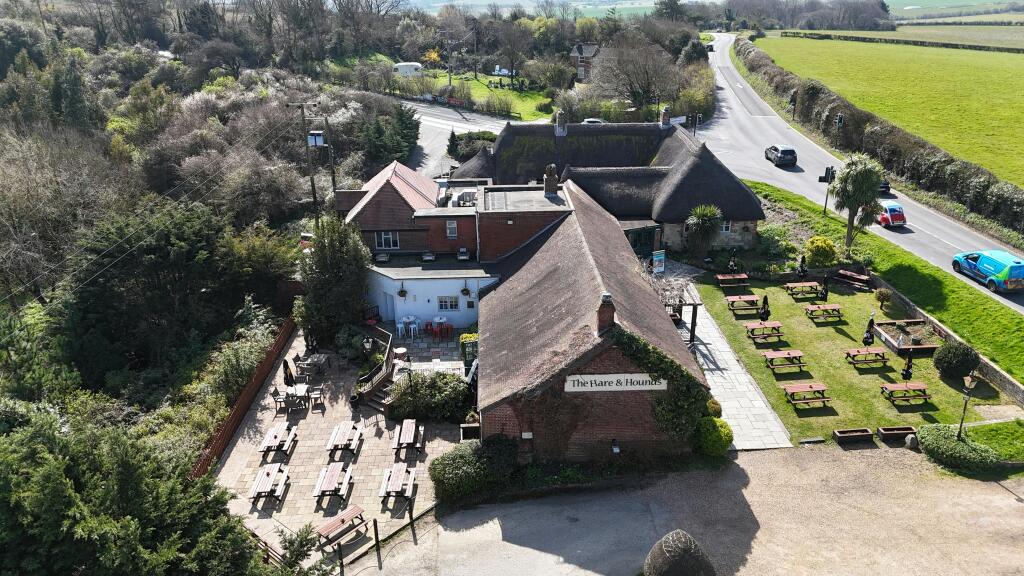













The village of Carisbrooke – which now has just 2 pubs – once had as many as 8.
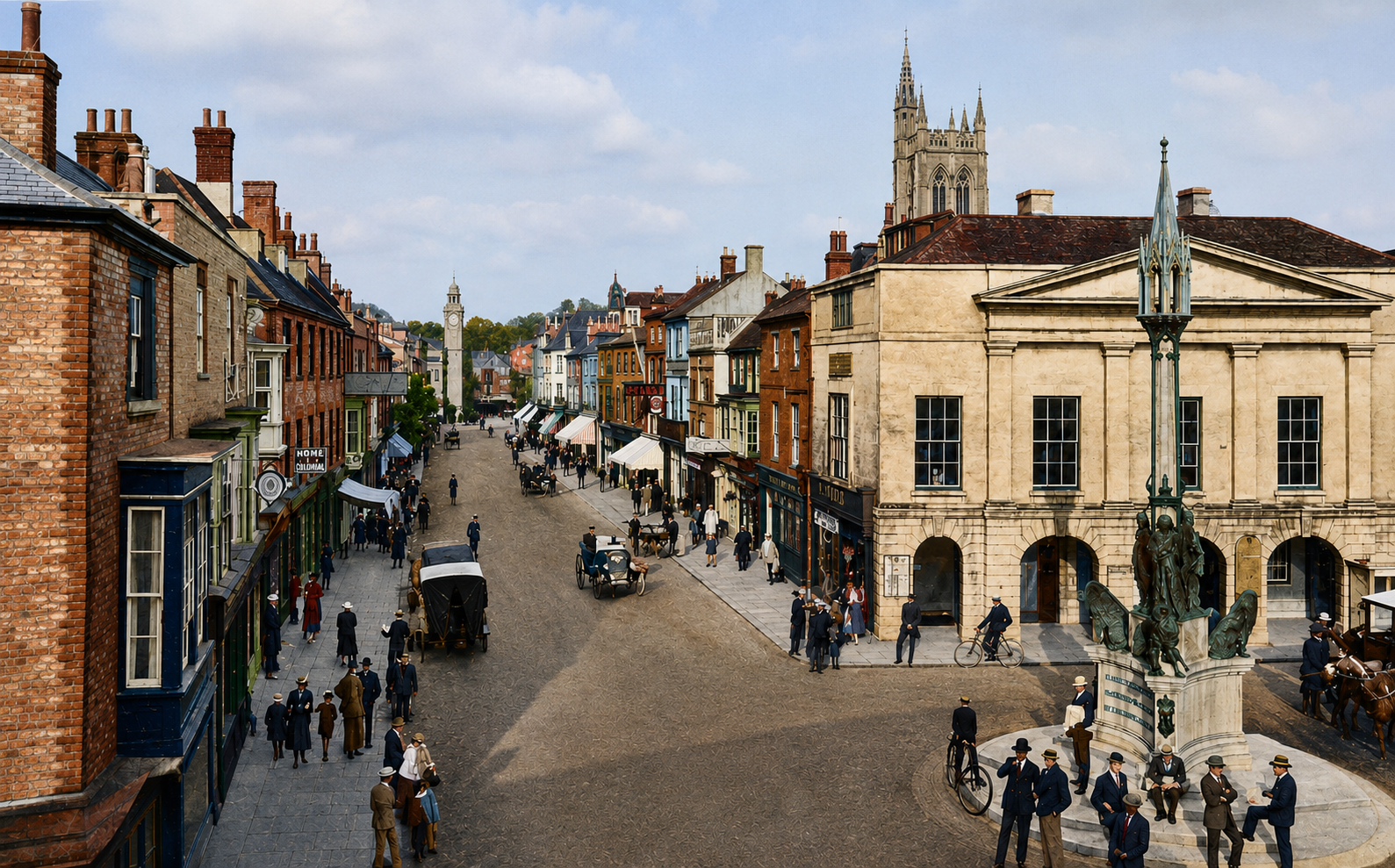
At one time, Carisbrooke was the centre of the temperance movement for the Isle of Wight with many Temperance fetes and parades being held at Carisbrooke Castle. For example, in 1886, over 2,000 abstainers gathered at Quay Street in Newport to march along the High Street and then along Castle Road to the castle itself in Carisbrooke.
Temperance Fetes at Carisbrooke Castle appear to have been a regular occurrence in the late 19th century. A further fete held in 1897 saw the Newport Branch of British Women’s Temperance Association holding a sale of their work in aid of the Dunkhurst Homes for Inebriate Women.


However, in the village in the shadow of the castle, the various inns, taverns and hotels of Carisbrooke continued to do a roaring trade selling alcohol to tourists and locals alike.
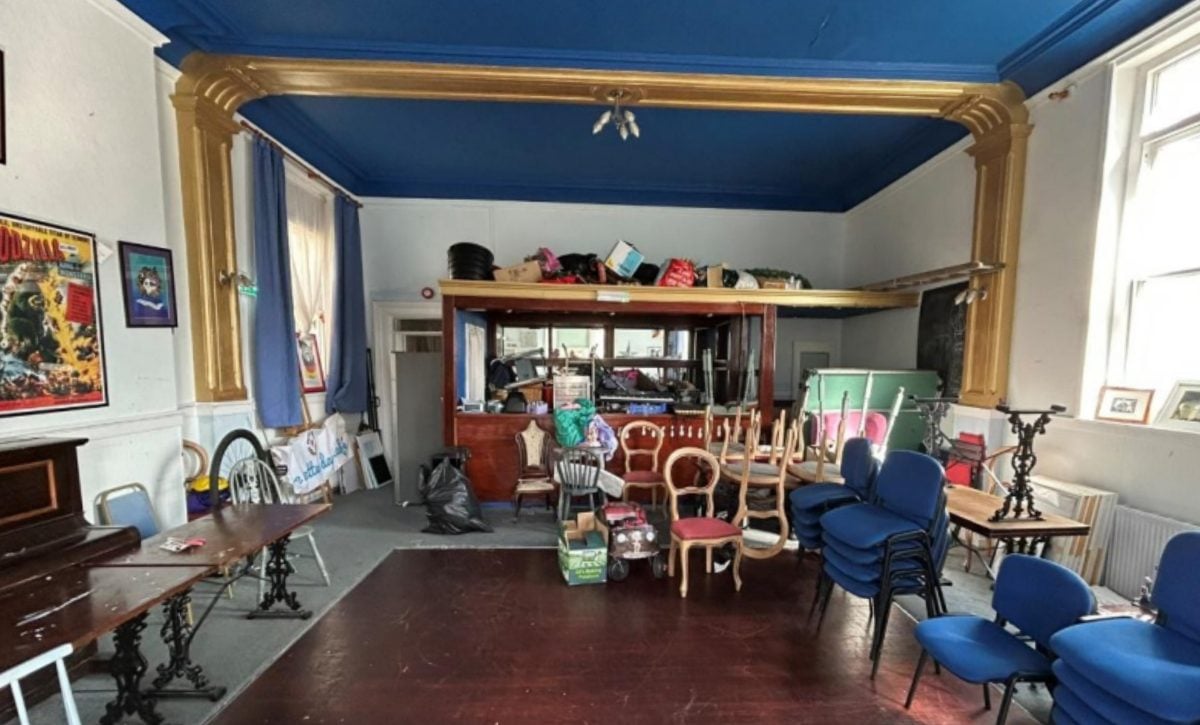
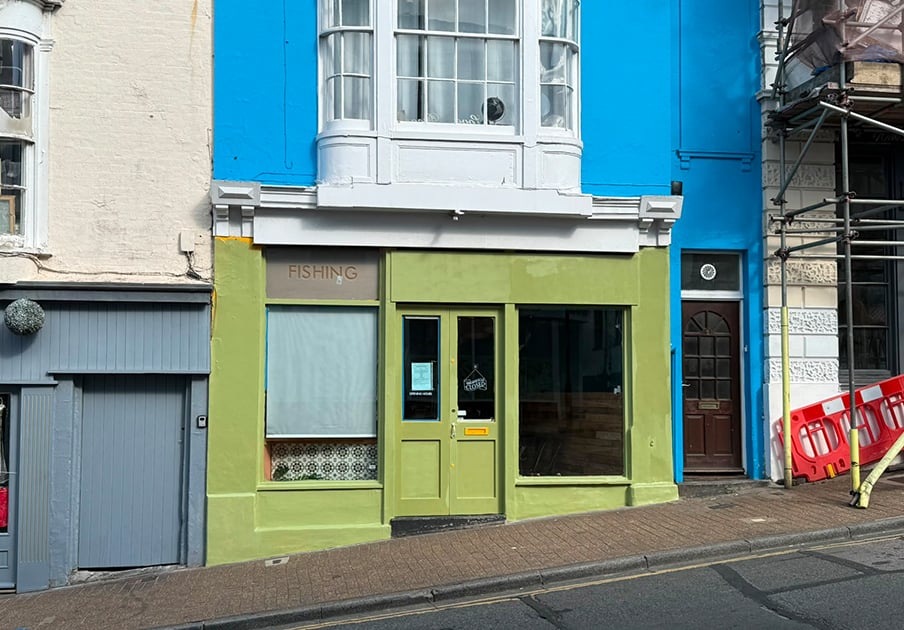
Below is a list of the 6 former and 2 current hostelries of Carisbrooke …
The Three Blackbirds
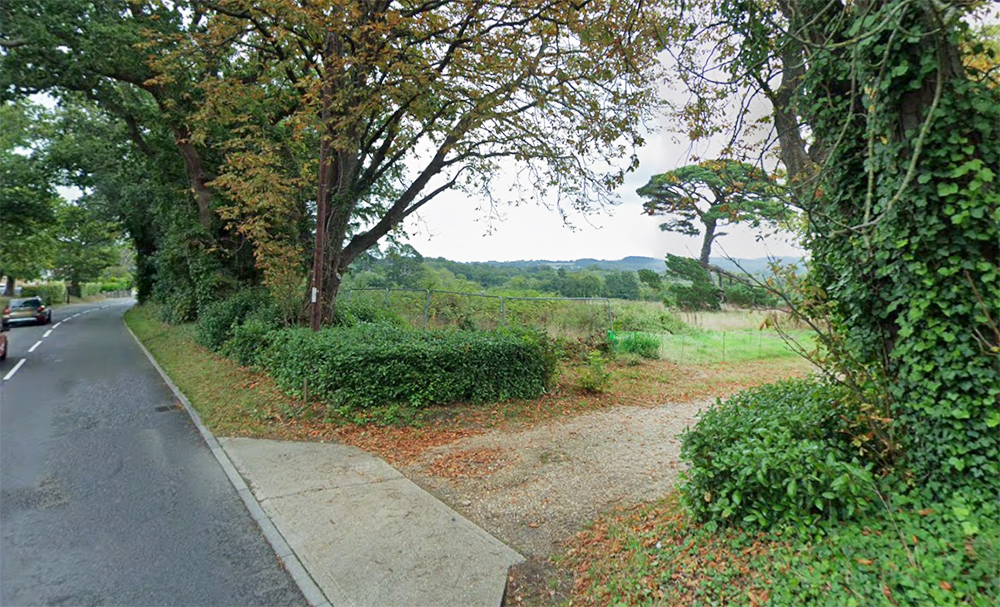
Long since disappeared, The Three Blackbirds was Carisbrooke’s oldest pub, dating from at least 1767. It was also the 1st to close. It would have been the 1st pub to come into view if walking from Newport. It was located on the main road at the junction with Cedar Hill

The Eight Bells
The next pub along Carisbrooke High Street is the Eight Bells that is happily still open for custom. It is said to have been named after the 8 bells of St Mary’s Church.
The Eight Bells has been plying its trade since at least 1839. It’s main claim to fame is hosting the Australian Test team for lunch in 1896 (the team had just paid a visit to Carisbrooke Castle).

The Castle Hotel
Continuing along from the Eight Bells, the Castle Hotel comes up next on the High Street on the other side of the road.

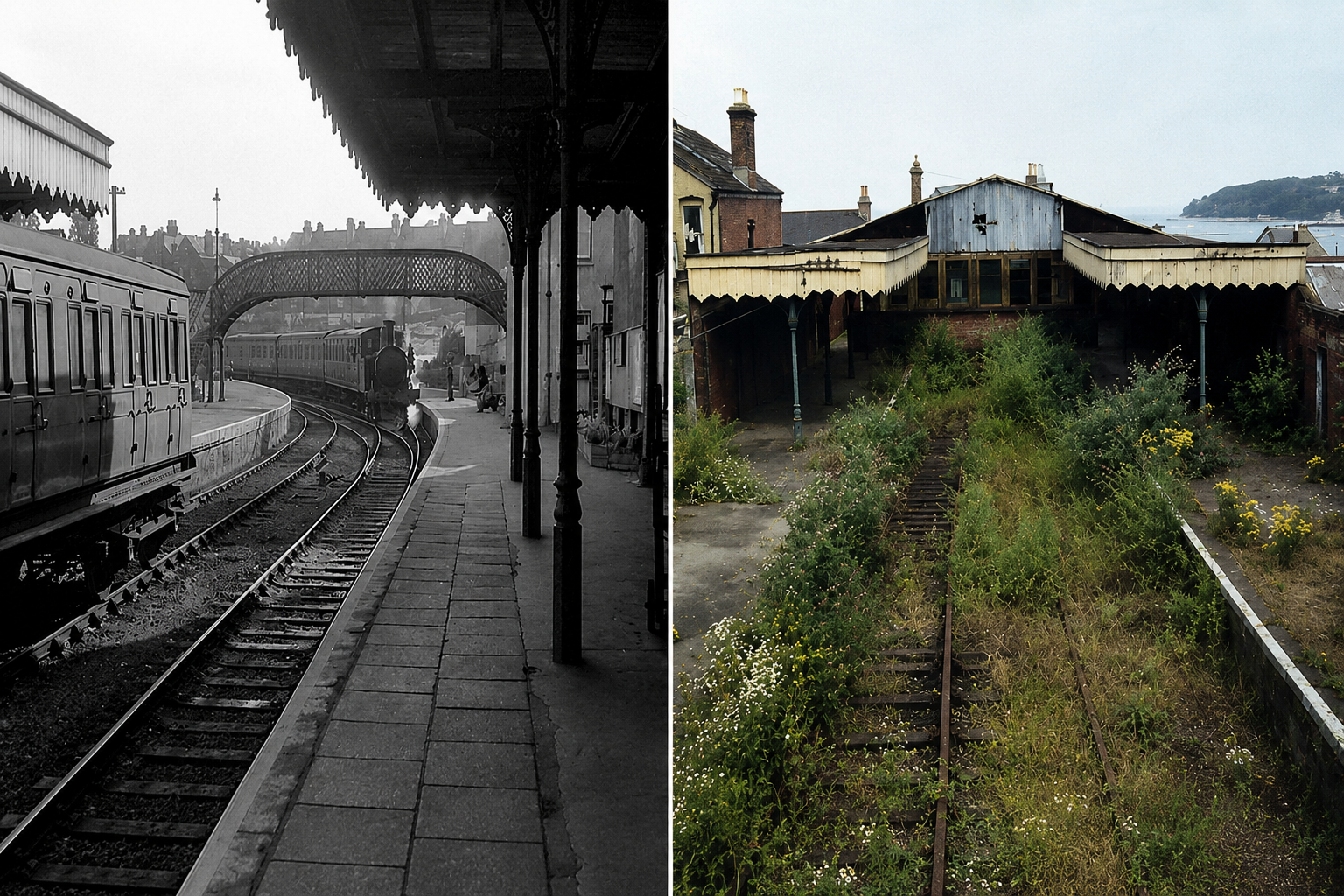
The Castle Hotel – which opened in 1878 – is now a Co-op convenience store. With the coming of the railway to Carisbrooke in 1889, the Castle Hotel did a roaring trade as tourists walked from the station through the village up to the castle.
Sadly, the Castle Hotel closed in 1969.
Red Lion Hotel
The Red Lion Hotel – next door to the Castle Hotel – predated its competitor by 40 years or more, having been listed as early as 1839.
The Red Lion closed in 1928, no doubt due to the competition from the Castle Hotel.
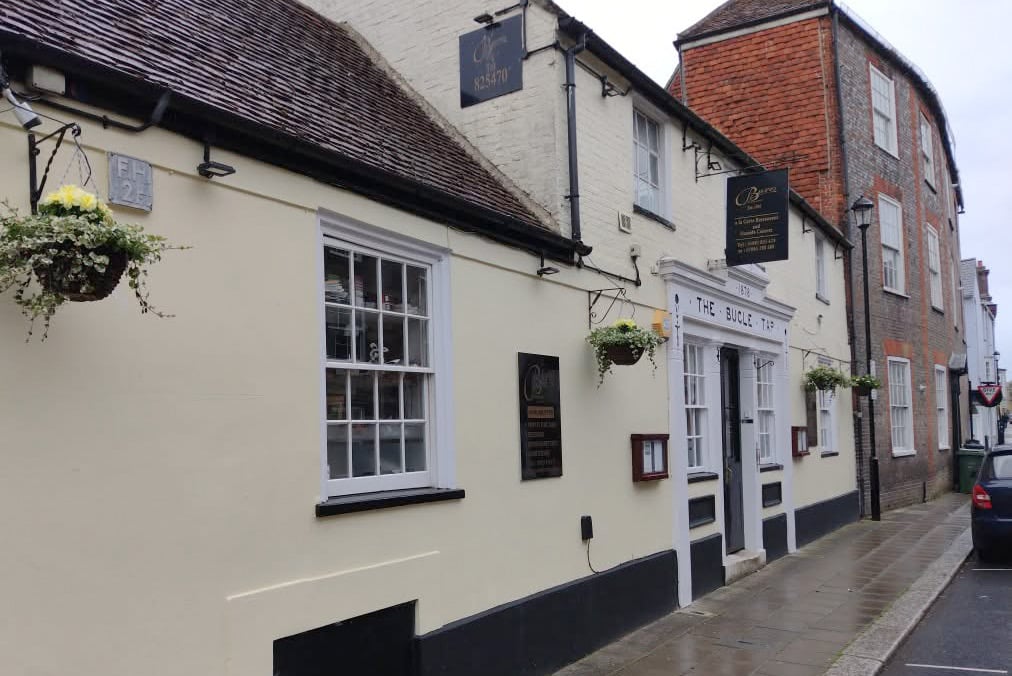
The Bugle Inn
The former Bugle Inn is not easy to spot although the building still stands. It is just to the left of Castle Street on the left-hand side of the road if walking from Newport.
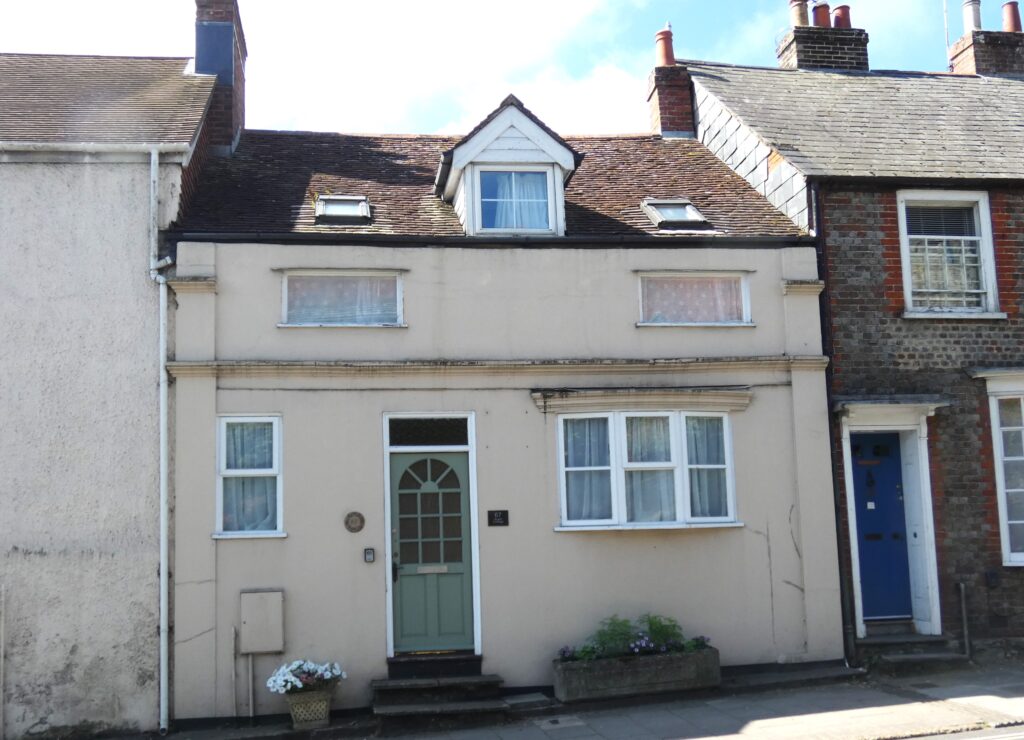
The pub was in existence from at least 1859 and closed in 1927. Its name is thought to derive from the sound of the horn used to signify the impending arrival of a coach and horses.
The Cutter’s Arms
This long-disused pub – whose building still stands – can be found at the top of Carisbrooke Hill with its back to the church.
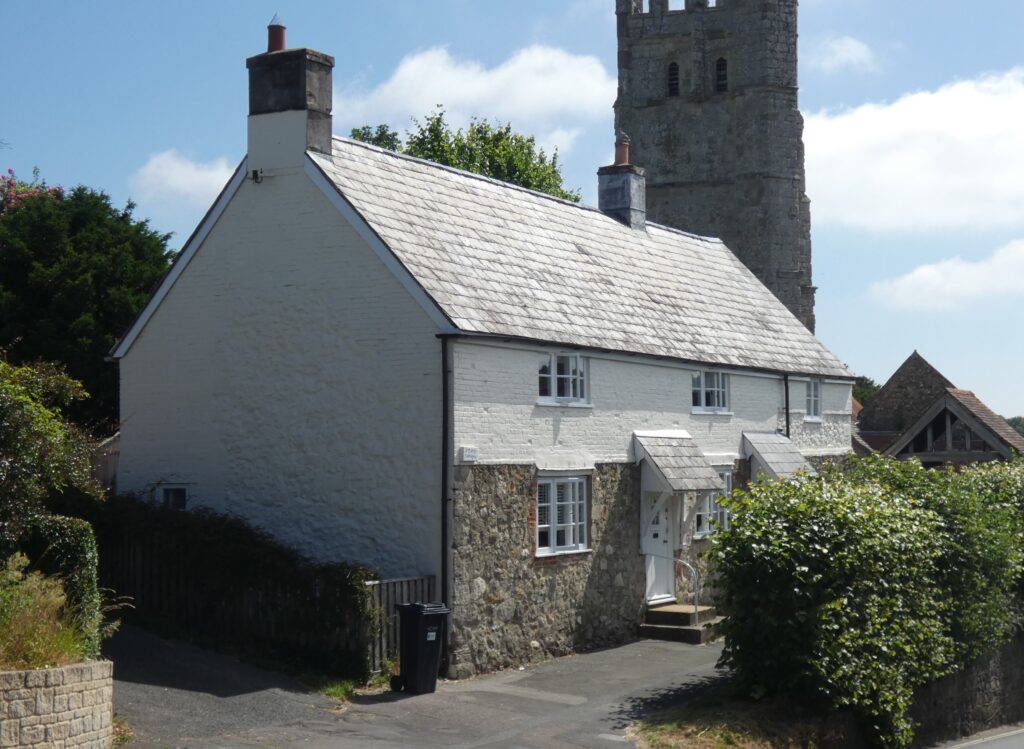
The pub was first called the cruel-sounding Gelder’s Arms before changing its name to the less eye-watering Cutter’s Arms. It closed in 1927.
The Old George
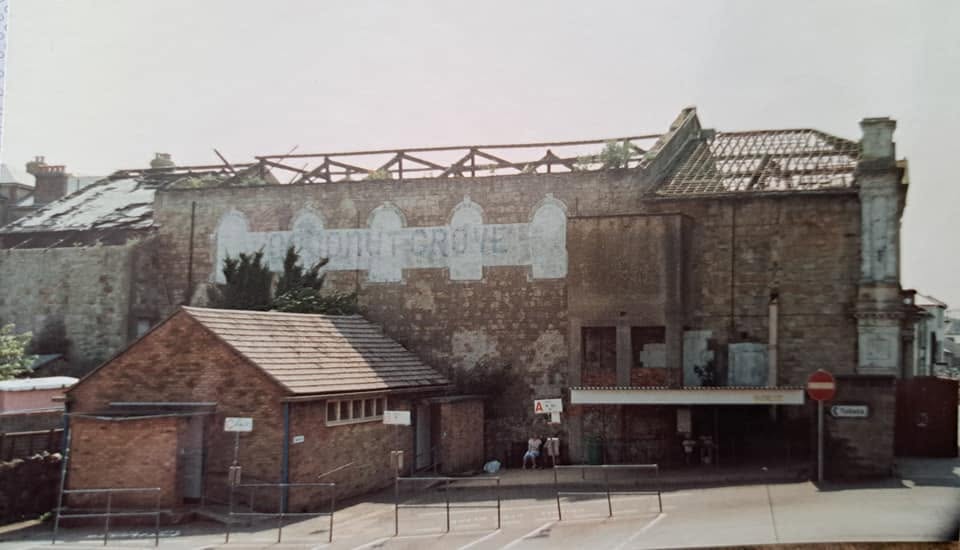
The Old George – of which there is no photographic record – was located behind the current Waverley and most likely closed when the Waverley was built. It’s name is believed to have derived from King George III – who died in 1820 – and therefore was most likely opened in the very early 19th century.
The Waverley
The Waverley – that happily is still doing a flourishing trade – was built on the site of a former pub called the Vine Branch which burnt down.
The name ‘Waverley’ has nothing to do with the eponymous paddle steamer. It is simply a variation of the name of the Wavell family, who once owned the pub.

In April 1914, the Waverley was used as a place of refuge for a group of 9 suffragettes, 4 of whom had attempted a public meeting at St James Square in Newport and were physically assaulted by a large crowd of male chauvinists. Several policemen were present, who succeeded in carrying the unfortunate women to the nearby Bugle Inn.
Even within the inn, the suffragettes were still unsafe, as the mob attempted to force the back doors. The ladies were bundled into a cab and conveyed to the Waverley, where, hopefully, no further attacks on them were made.
In the 6th and final edition of Pubs of the Isle of Wight, we shall examine a few of the many historic pubs of the seaside town of Ventnor…






Can’t wait for the next one more for the road
Love these snippets of island history. Thank you
A real delight to read and muse upon. Thanks author.
I have a very old indenture relating to I believe the old building which is, or was Valentinos on Carisbrooke high street. It is hand written on vellum and dated 1696
What about the Shute inn on clatterford shute
Not strictly speaking ‘Carisbrooke’.
Great articles. According to the late Brian Greening and Bill Shepherd, the Bugle included the building on the corner of Castle St, later a pottery amongst other things. I think the door in Castle St was the entrance to the cellars. You can see a photo in their book “one mile to the guildhall”. The steps in the photo of the corner building have gone and the door has been lowered, clearly seen today.
I was always led to understand that the 3 blackbirds was on the cedar hill side of the main road, where there is a small terrace of houses today. The painting is of Sanders’ (I think) cottage. This was moved back by some feet, when the road was widened, to allow the easy passing of 2 carts/carriages.