





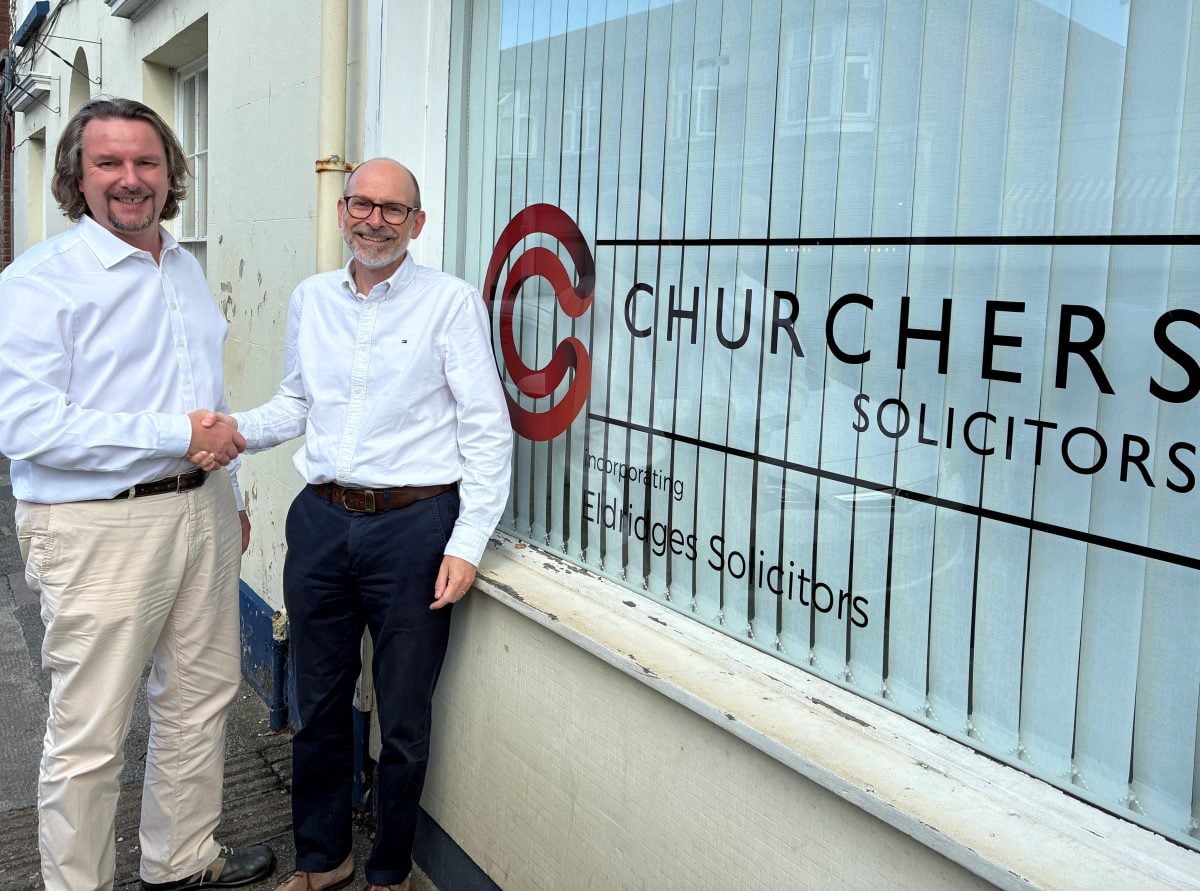
















































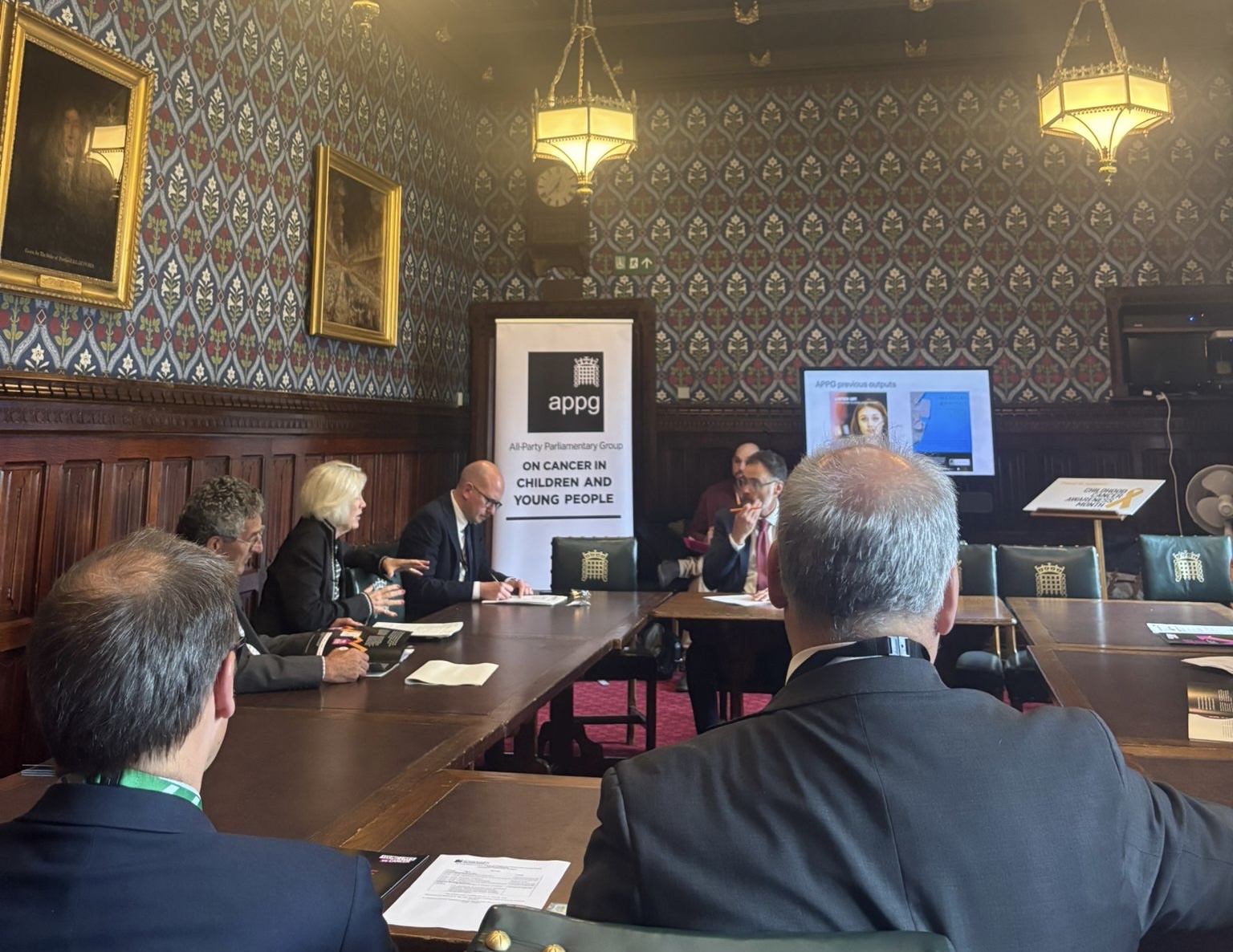

Richard Quigley MP has welcomed the government’s announcement of a £10million travel support fund for children and young people with cancer as part of the new National Cancer Plan.
As Chair of the APPG on Cancer in Children and Young People, and as the MP for an island constituency, Richard said he was “delighted” that the Plan includes dedicated, evidence-led actions specifically for children and young people (CYP), recognising that cancer in younger people is fundamentally different from cancer in adults.
Cancer in children and young people is less common, biologically distinct, often more aggressive, and requires highly specialised treatment care that is almost always delivered far from home. For families on the Isle of Wight, this typically means repeated ferry journeys and long travel times to reach mainland hospitals.

Families of young cancer patients currently face average travel costs of £250 a month, with 71% reporting financial struggle and one in ten young patients missing or delaying treatment because they cannot afford to travel. With specialist care unable to be delivered locally, Richard stressed that this new financial support is “essential to ensure children and young people can access lifesaving treatment.”
Crucially, the government’s commitment of £10 million matches the modelling carried out by Young Lives vs Cancer, which identified £10 million per year as the level required to meet families’ travel needs. Richard said he was “pleased that the government is listening to the evidence and committing to provide the level of support young people need.”
He added that the progress announced today reflects “years of collaboration across government, the NHS, charities and, most importantly, children, young people and their families.” He welcomed the publication of the National Cancer Plan but emphasised that this is “only the beginning,” stressing the importance of continued partnership to ensure the Plan delivers for all cancer patients especially the youngest.
Isle of Wight survivor welcomes the news
Young cancer survivor Victoria Ward, 25, from the Isle of Wight, who campaigned with Young Lives vs Cancer for a Young Cancer Patient Travel Fund, said she was “delighted” by the announcement.

Victoria said:
“It’s brilliant news. I really struggled to keep on top of the costs of getting to and from hospital, so it’s great to know that other young people will get support to face these challenges like I did and can focus on getting their treatment.”
Victoria helped deliver Young Lives vs Cancer’s petition to 10 Downing Street on 12th September 2023 calling for a travel fund. Diagnosed with lymphoma at 21, she received treatment at Southampton General Hospital and travelled from the Isle of Wight by ferry, often paying £80 to over £200 for a return ticket at peak times.
She added:
“If I had chemo at 08:00, a taxi from the ferry could be £12–15 just to get up the road. Parking alone was £20–23 each visit. People say ‘it’s only £20’, but that £20 is my week’s food.”
Victoria also had to stop working during treatment, making the financial pressures even harder and ultimately forcing her to give up her flat.
“It was a case of either I keep my own safe space or I die,” she said. “My flat was my achievement after previously being homeless. Giving it up was devastating, but I had no choice.”
Richard Quigley MP said:
“Everyone on the Island knows the added burden and cost of ferry travel and for a young person trying to access cancer treatment, this is magnified. While I acknowledge that ferry companies have tried to make special considerations for those seeking NHS treatment on the mainland, this new centralised support will make a real and lasting difference and I’m so proud of everyone who has campaigned tirelessly so this could be realised.”
Rachel Kirby-Rider, Chief Executive at Young Lives vs Cancer said:
“This is the news children and young people with cancer, and their families, have been waiting for. This commitment to travel costs support in the National Cancer Plan is an historic win in making sure no child, young person or family is left struggling simply to reach their treatment. We’ve campaigned for almost a decade for a Travel Fund – so today is a huge win for the families we support, as their voices and experiences have been heard.
“We’re pleased to see the National Cancer Plan will provide dedicated support that children and young people need, achieved by true sector collaboration. Thank you to Richard for his leadership of the APPG on Cancer in Children and Young People, and his steadfast support for children and young people with cancer and the need for a travel fund in parliament, to help make this happen. We look forward to continuing to work with the APPG to ensure the Cancer Plan and travel fund are a success.”









Diagnosed with lymphoma at 21, she received treatment at Southampton General Hospital and travelled from the Isle of Wight by ferry, often paying £80 to over £200 for a return ticket at peak times.
..
went by car then, rather than as a foot passenger
countless people travel to QA hospital in portsmouth for treatment – they get on the hover for about £12 day return patient fare and then free daisy bus to the hospital and back.
she could have used the free daisy bus from red funnel to southampton hospital and back and travelled as a foot passenger on red funnel.
have you actually tried travelling as a foot passenger, just after you’ve had chemo ??
you still have to walk to the car park from the hospital, meaning the daisy bus would still be fine. You cannot sit in the car on the ferry, so you still have to go to the passenger deck and if your car is in the car park in cowes, then being a foot passenger is just as hard as being a passenger in a car – just cheaper.
countless people return from chemo everyday as foot passengers on the cat/hovers
That is very true.
The only good thing about travelling to mainland
hospitals, better survival rates.
Worth every penny spent looking after ones self.
It’s about time all medical services were provided for on the
Island.
Good Doctors and Nurses can be brought in from overseas
countries to fill the gaps.
When people are poorly they shouldn’t have to pay to travel
to an NHS hospital.
It is not a patients fault that all services they pay in for are
not provided.
This article stares children and young people, so does
Quigley expect 80+ year olds to have to pay, not all pensioners
are cash rich, yes many are, but they have paid into the
system all their lives.
Politicians have no idea, maybe one day they will get old!