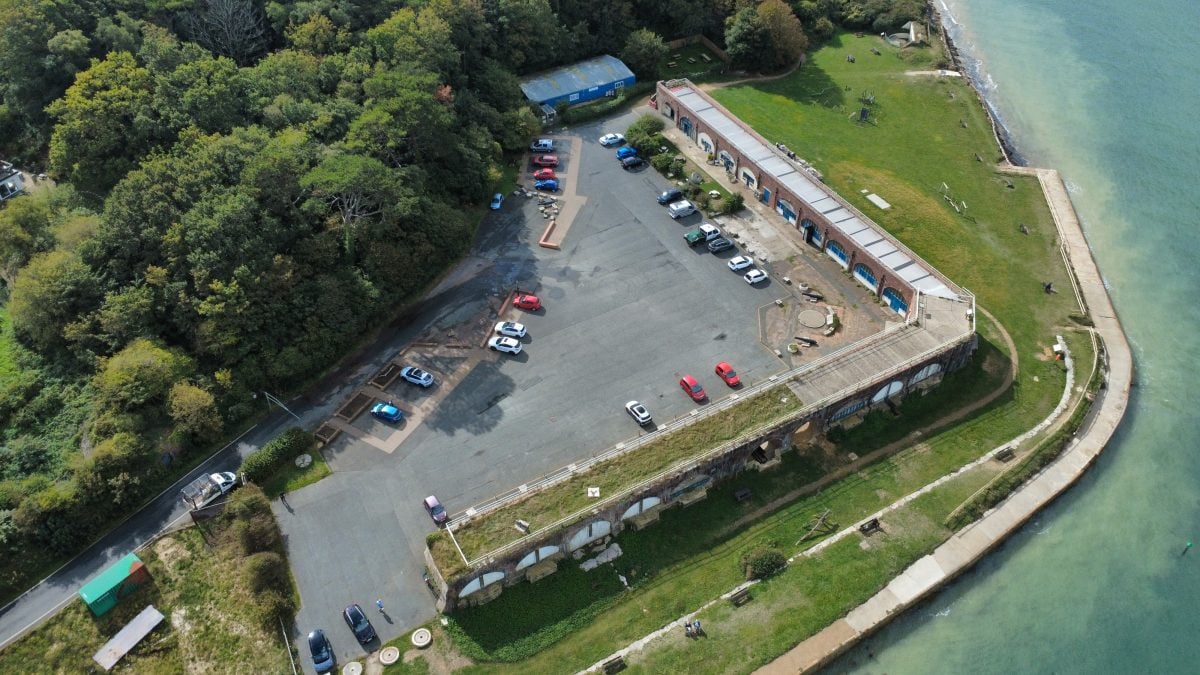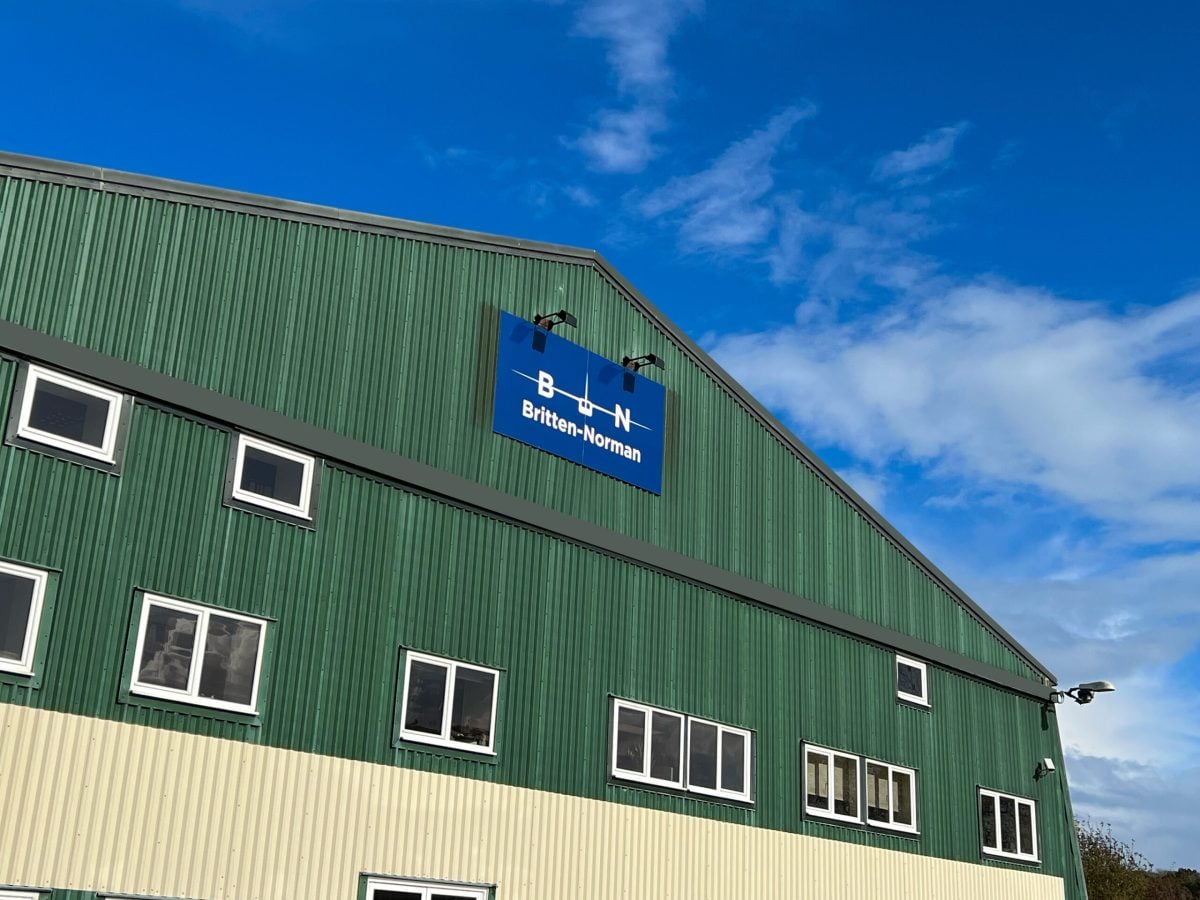














































Britten-Norman has confirmed that it has begun a consultation with its workforce over proposals which “may affect several roles” at its Bembridge headquarters.
Island Echo approached the company earlier this week after receiving information suggesting that redundancies are on the horizon at the historic aircraft manufacturer.
The firm says that it has begun a consultation with staff, but that no final decisions have been made.


Britten-Norman says it would ‘not be appropriate’ to disclose how many jobs are potentially at risk, but a clearer picture of what the future holds is expected by the end of October.
A spokesperson has said:
“Over the past two years, Britten-Norman has invested significantly in re-establishing Islander manufacturing in the UK. The recent completion of the first Islander built in the UK marks the achievement of that key objective.
“As we move into the next phase, it is right that we review how the business is structured, so that it is set up to deliver for our customers.”
The company has confirmed that a number of contractors brought in specifically to support the Islander build are now reaching the end of their time with the business.
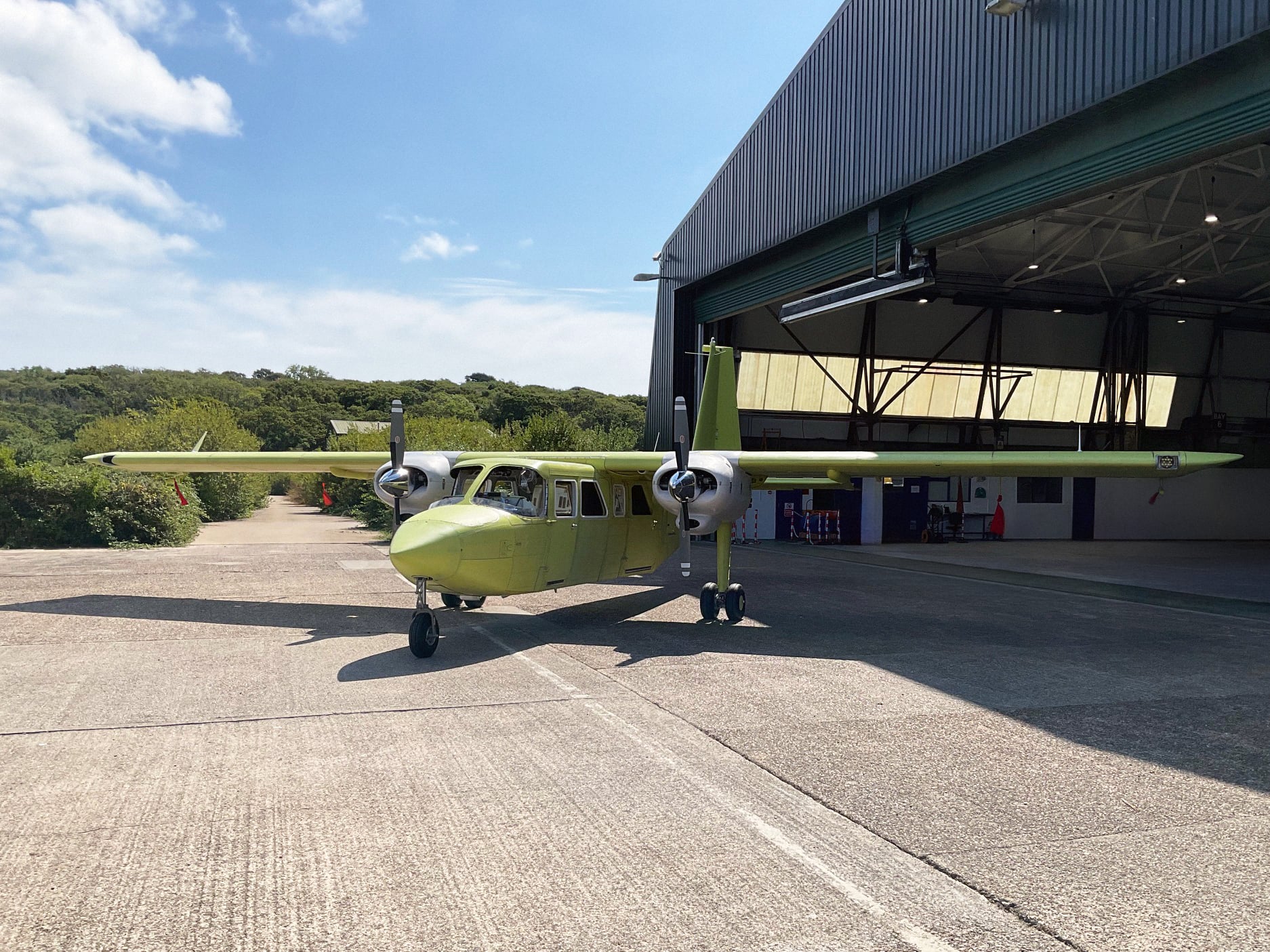
Last month, the first Islander to have its airframe assembled in the UK from detail component level completed its maiden flight from Bembridge Airport.
As previously reported by Island Echo, aircraft 2317 – G-FRZT, a BN2B-26 Islander destined for the Falkland Islands Government Air Service – took to the skies on 3rd September.
The aircraft had been rolled out at Bembridge on 30th July and became the first to be produced after Britten-Norman brought complete airframe assembly under its own control at its East Wight headquarters.
A second airframe is already progressing through the same production line.
Britten-Norman previously said they were working towards continuous production, with a strategic ambition of building 8 aircraft each year – so the reasons for potential redundancies is unclear.
Around 350 Islanders remain in service across more than 70 countries and 6 continents, with the worldwide fleet having accumulated around 20million flying hours.