















































Today marks Red Squirrel Appreciation Day in the UK (21st January), but what many people do not know is the grey squirrel is an invasive species and the arch enemy of our Island’s reds.
Red squirrels are native to the UK but are only found in small pockets across the country – the Isle of Wight being one such location.
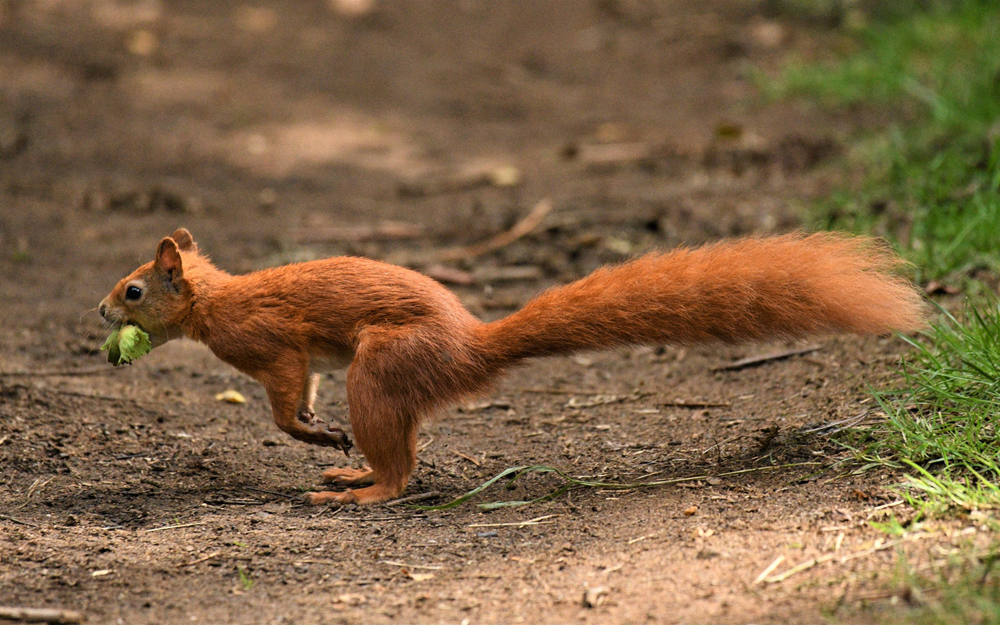
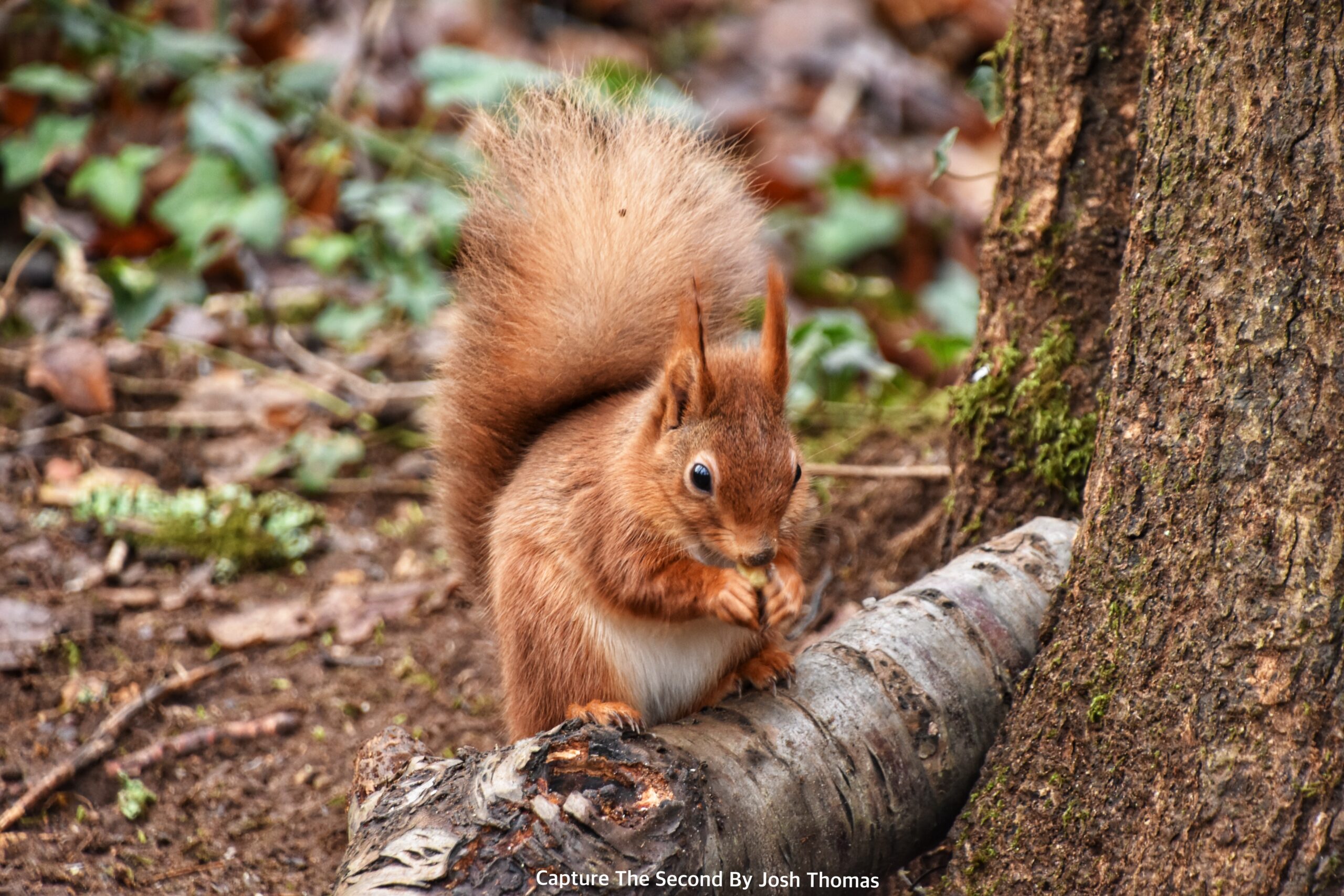
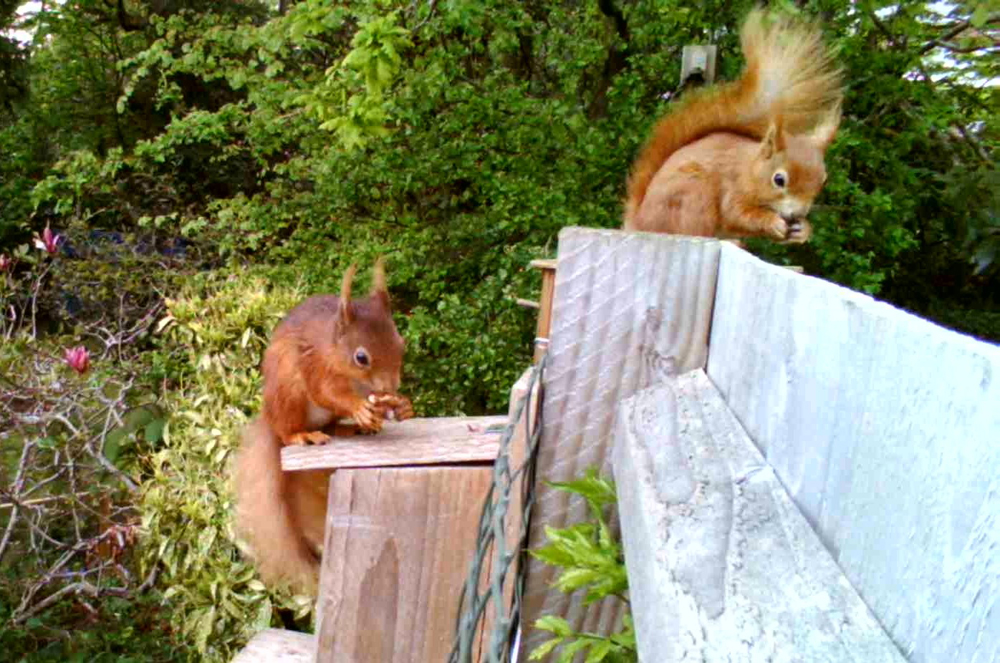
Around 3,500 red squirrels are thought to live on the Isle of Wight and are regularly photographed by the Island’s array of photographers including hobbyists Josh Thomas, Ann Locke and Ricky Ashanollah, whose photos are featured here.


The greys are from North America and were imported as a novelty species into UK parks and gardens from the 1870s. They are not reproductively compatible as a consequence, the red population in Britain has plummeted from millions to approximately 287,000.
Vanessa Fawcett of the Red Squirrel Survival Trust says:
“This dramatic decline is caused by a number of factors. Greys are larger and stronger and out compete red squirrels for food and habitat. Another serious problem is that some of them carry the deadly squirrel pox virus that does not harm them but is fatal to reds. A number of areas in the UK have had their small populations of reds decimated by such outbreaks.
“We believe the majority of people in England have never had the joy of watching our native red squirrel in the wild and know only the grey. This is something we want to change”.
Wight Squirrel Project is today launching a volunteer recruitment drive. The charity is wholly run by volunteers and would not exist without them. If you appreciate red squirrels and the work the project does, a list of opportunities will be available on the website at www.wightsquirrels.co.uk or available by emailing [email protected].

Project Manager, Helen Butler MBE, said:
“It is essential to recruit reliable volunteers to keep red squirrel conservation going. Volunteer opportunities are wide ranging and training workshops are planned once we have the right recruits. We are so lucky having red squirrels on the Isle of Wight and must ensure we keep them”.