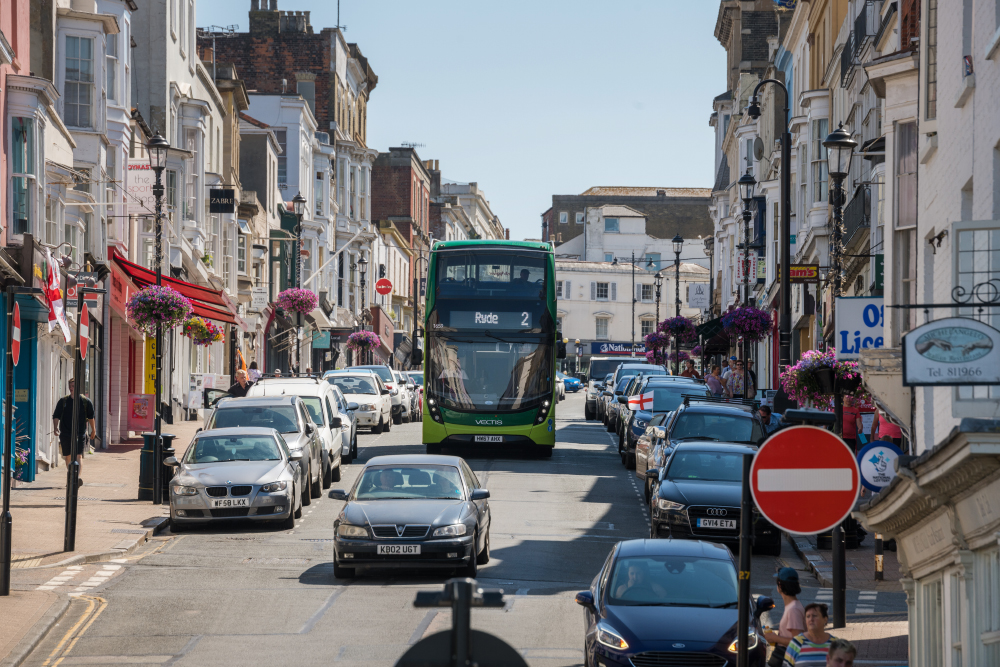











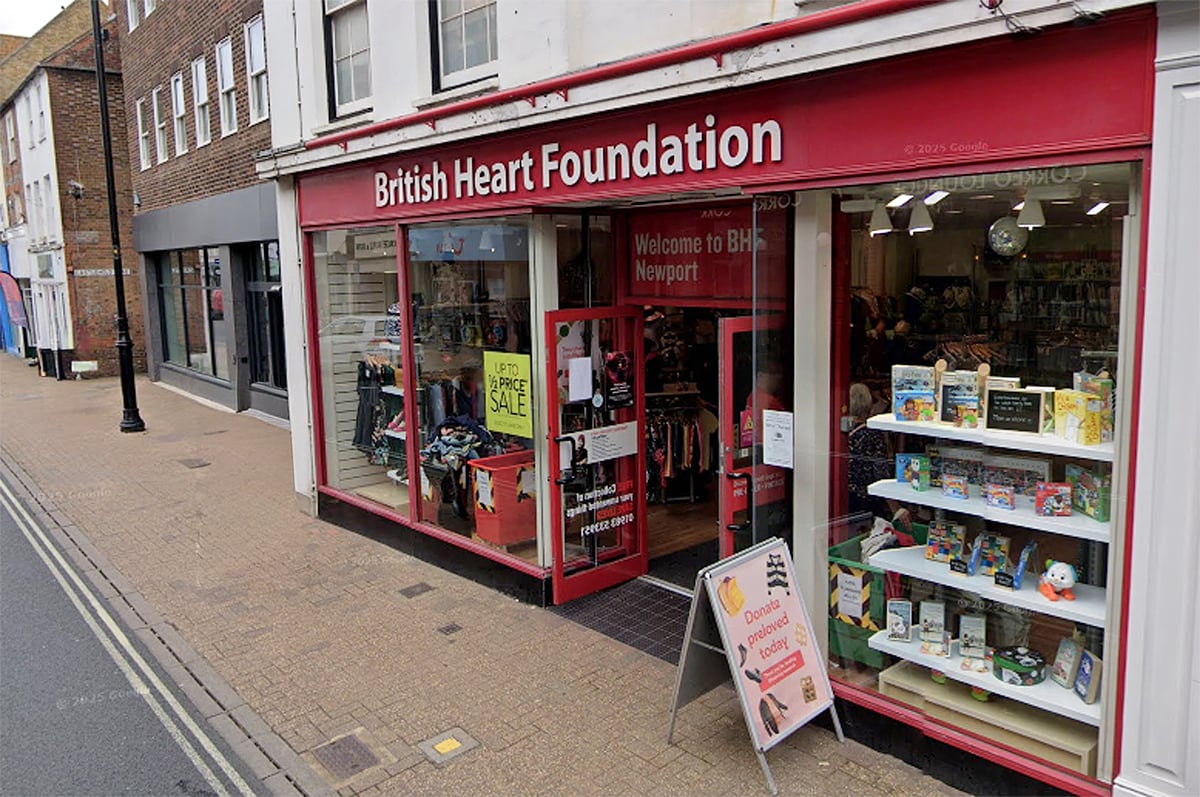


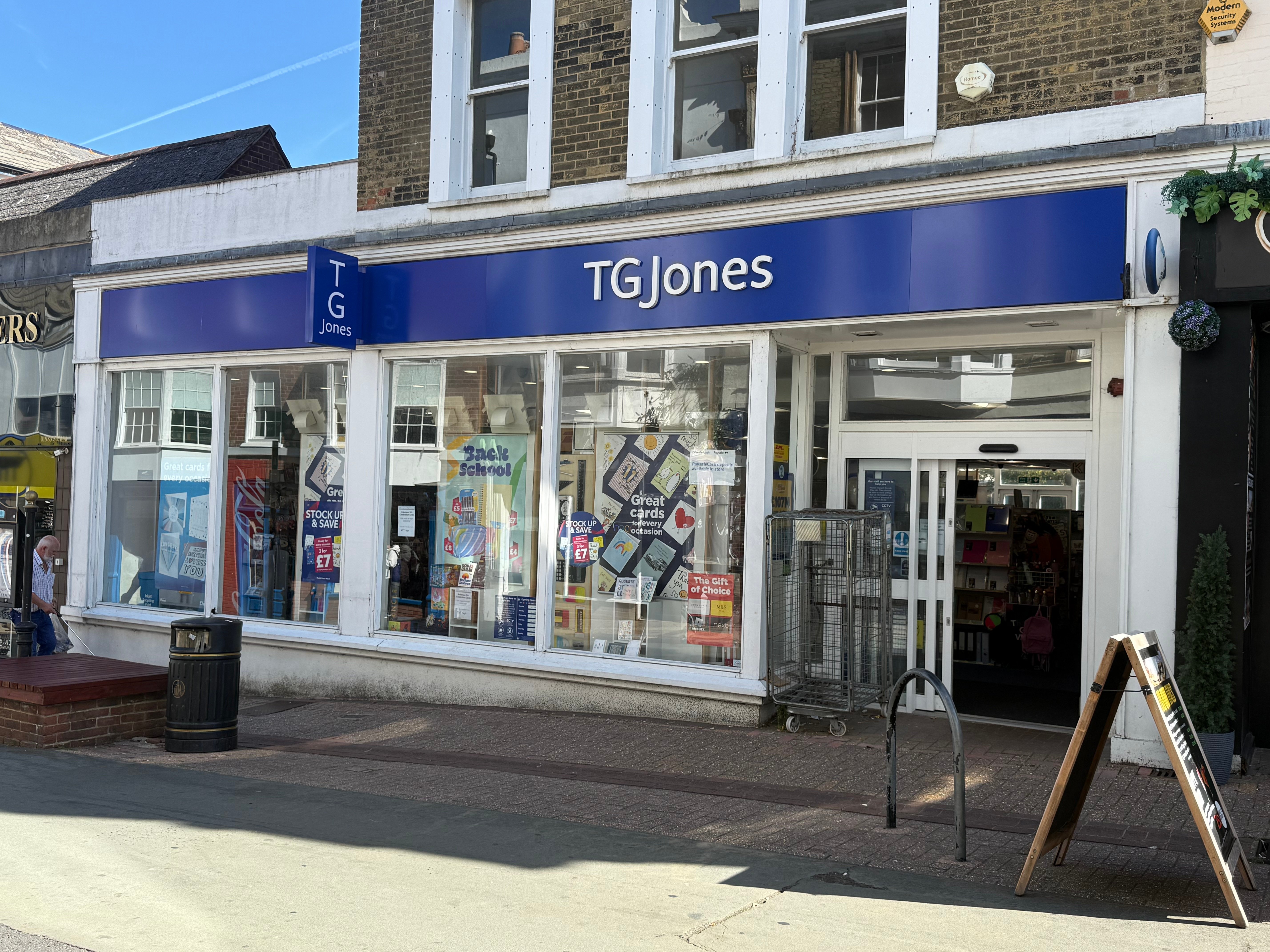

























Unit 105-106 Newport High Street used to be a Thorntons. Then it was a Warren James. Then, from April 2022, it was nothing – an empty shopfront between Poundland and Specsavers, shutters down, gathering dust. When a new business finally moved in during 2026, it made local news. One empty unit filling up was considered a story worth telling, and that alone says a great deal about where the island’s high streets are at. Nationally, 2025 and 2026 have been brutal. WH Smith has vanished from the high street entirely. River Island shut 33 stores. Poundland pulled back by over a hundred. Lloyds Banking Group is closing 95 branches. The Isle of Wight is not shielded from any of this. But unlike mainland towns, island shops face an additional layer of pressure that no government relief scheme fully accounts for.
The State of Play, Town by Town
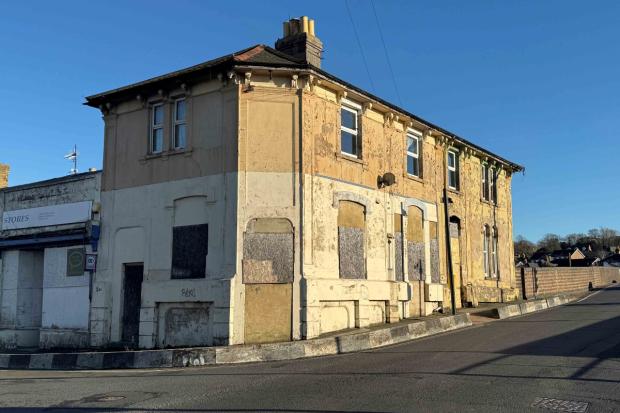
The sharpest picture of decline is in Sandown. In June 2025, the town council launched a formal dereliction survey to measure how bad things had become. The findings were stark: 82 per cent of Sandown residents live within 500 metres of a derelict site. The survey attracted a thousand responses in just eleven days, with residents describing how the decay makes them feel unsafe, how visitors are shocked by the sight of it, and how it creates what one respondent called “an air of depression” for those trying to live there. Footfall is dropping, businesses are closing, and derelict buildings are multiplying. For context, the Scottish government considers it a crisis when a third of the population lives within that distance of dereliction. Sandown’s figure is nearly two and a half times that threshold.
Newport’s problems are different but no less real. The council’s own 2020 Investment Plan described the town as having “too many retail units, a poor retail offer and too little high-quality employment.” The shop vacancy rate was at the national average of 11 per cent, but the plan warned that this figure disguised the underlying deterioration – anchor stores like BHS, HMV, and Dorothy Perkins had already gone, and what remained was thinning out. There is a heavy dependence on part-time, low-wage work, particularly in retail and the public sector, which the plan acknowledged results in a “lack of prosperity in the town centre.”


Ryde has its own version of the same story. Between 2013/14 and 2016/17, the town fell 82 places in the UK Shopping Venue rankings, dropping from 672nd to 754th out of 1,120. The Investment Plan described its public realm as “extremely poor” – badly patched tarmac, random street clutter, unsympathetic seating that served only to encourage anti-social behaviour. The median age in Ryde is now 51, and more than a quarter of its under-16s live in relatively low-income families, significantly above the national average.
The Island Tax on Every Shop
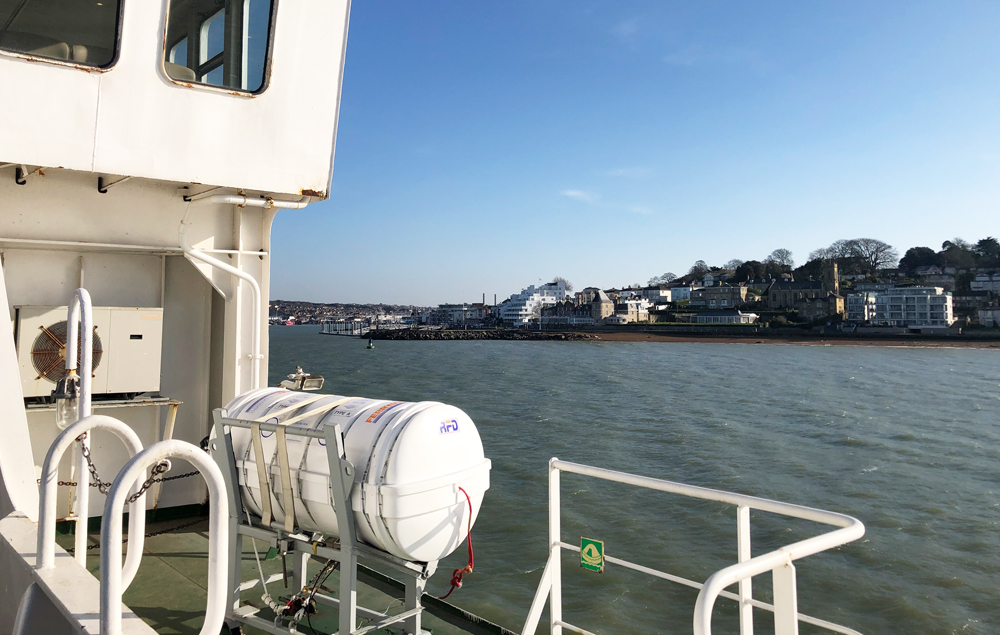
Every item sitting on a shelf in an island shop got there by ferry. The council’s Investment Plan acknowledged this directly, noting that the need to transport everything onto the island via ferry increases costs for businesses. That is a permanent surcharge on doing business here that no mainland competitor faces.
On top of that, from April 2025, the employer National Insurance rose from 13.8 per cent to 15 per cent, and the threshold at which employers start paying dropped sharply from £9,100 to £5,000. For a small island retailer employing a part-time worker on minimum wage for 20 hours a week, the monthly employer NIC bill nearly tripled, from roughly £32 to over £96. Over a year, that is an extra £768 per employee. Add in minimum wage increases and pension contributions, and the total rise in employer costs reaches approximately £1,595 per part-time worker per year. For a shop employing three or four people, that is the difference between staying open and closing the door.
Meanwhile, island customers have less money to spend. The median full-time salary here is £28,500, more than £10,000 below the national figure. Island shops face higher costs to stock their shelves, higher costs to employ their staff, and lower spending power walking through the door. Running a shop here is structurally harder than running the same shop in Portsmouth, and nothing in national policy accounts for that gap.
The Cycle That Eats a Town
Empty shops are not just a cosmetic problem. They are a symptom of a deeper cycle that feeds on itself. Low wages drive young people to the mainland. Out-migration accelerates the ageing of the population. The island’s median age is 51 compared to 40 nationally. An older population increases demand on services while narrowing the tax base. Underinvestment follows. Jobs become scarcer and pay less. The loop closes, and it tightens with each turn.
Changes in consumer behaviour add another layer to that cycle. A growing share of discretionary spending now goes to services that require no visit to a town centre, from streaming subscriptions and online shopping to online casino games. Local shops cannot compete simply by lowering prices, because the challenge is no longer only another retailer down the road. It is an entire digital economy designed to keep people spending from home.
Around 13 per cent of the island’s neighbourhoods fall within the top 20 per cent most deprived nationally, concentrated in Newport, East Cowes, Ryde, and Sandown. The island’s economy is heavily reliant on seasonal, part-time, and low-skilled work. Good jobs do appear – Vestas brought genuinely well-paid composite engineering roles to the island, but they exist at the mercy of grant cycles and policy decisions. When the funding moves, the jobs follow, and the communities left behind sink a little further. Understanding this cycle is essential to understanding why a high street does not simply recover because one new shop opens.
Signs of Life
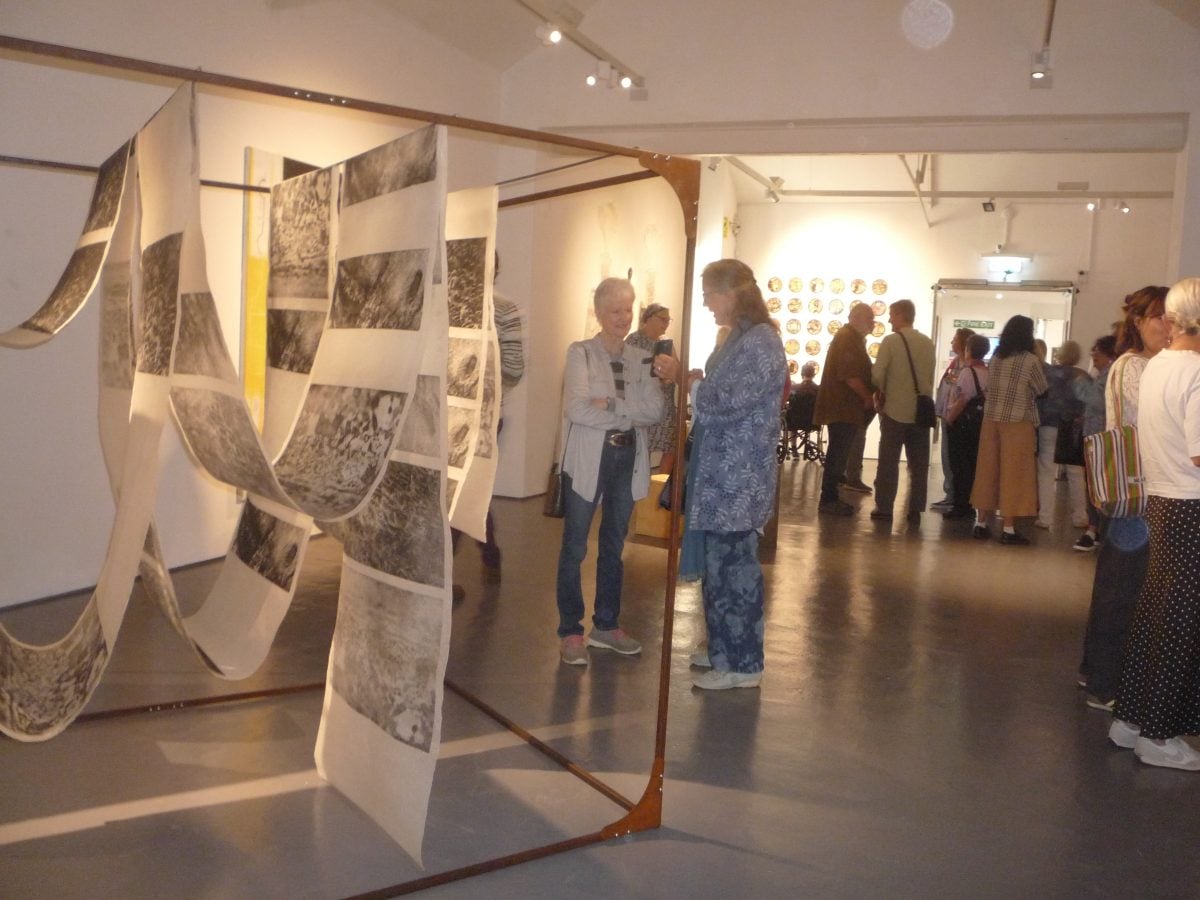
None of this means people have stopped trying. Ryde has been selected for the government’s Plan for Neighbourhoods programme, which is channelling £1.5 billion into 75 areas over the next decade through locally led boards. The former Packs department store in the town is being transformed into “Department,” a community arts and culture hub by creative organisation Shademakers. It was featured in a national Power to Change report as a model for how empty retail spaces can be repurposed to serve the communities around them rather than simply sit and rot.
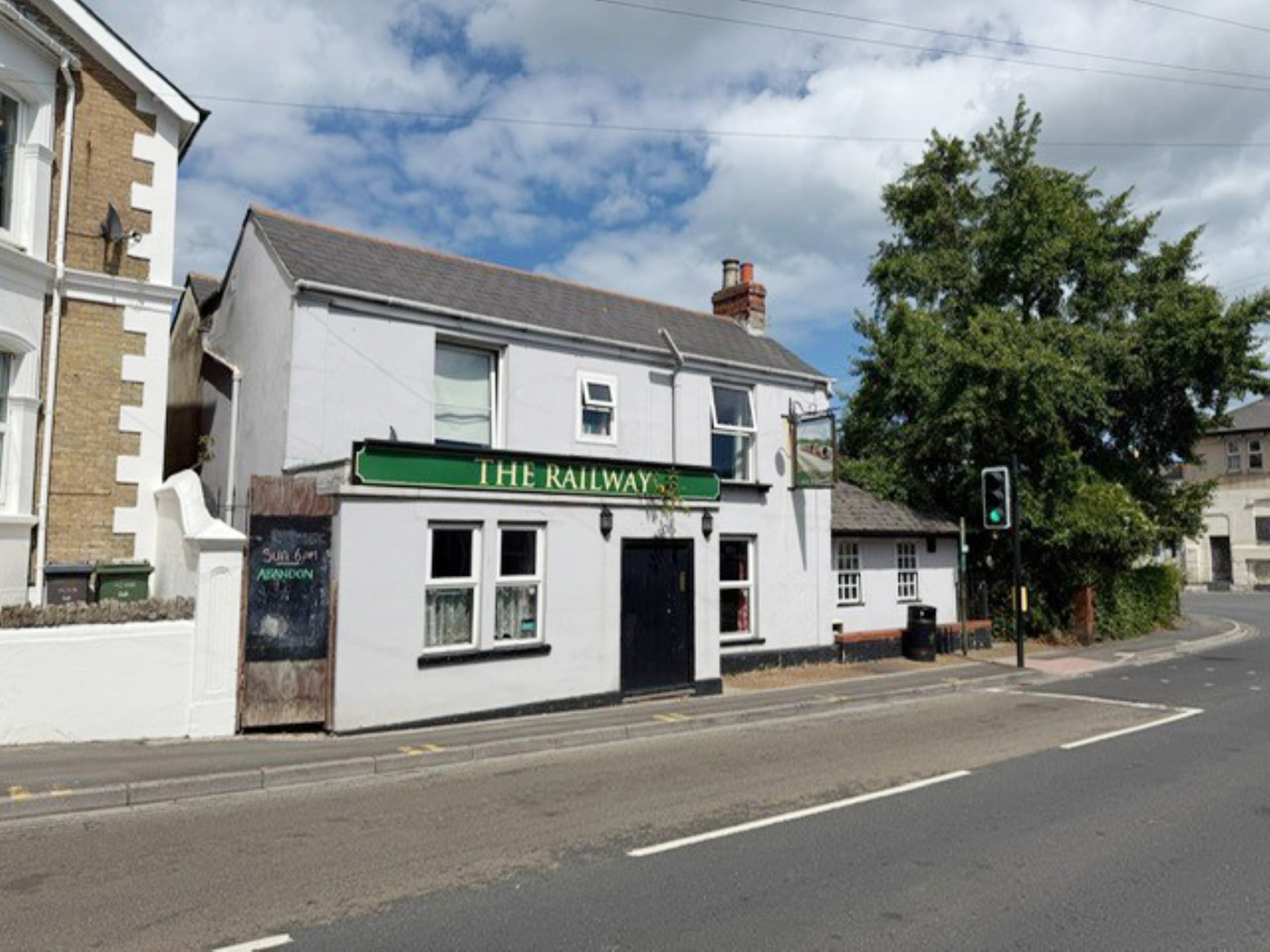
Sandown, meanwhile, has been named on the UK Town of Culture shortlist, beating hundreds of rival towns. It is a remarkable achievement for a place where 82 per cent of residents live near a derelict building, and it speaks to the determination of the people pushing for change. The Bay Area Place Plan, launched in January 2024 by Sandown, Shanklin, and Lake councils, sets out a 98-page vision for economic regeneration. A new pub has been proposed for a vacant unit on Sandown High Street. Over in Ryde, the former Balcony nightclub is being converted into a family leisure hub with interactive darts, mini golf, and karaoke pods, after the nightclub was deemed no longer viable. Ryde Town Council called it “a great boost to seafront activities.”
Projects like these also broaden the range of social activities available to residents, particularly in towns where affordable evening entertainment can be limited. Where gambling forms part of the wider leisure economy, responsible gambling measures remain important, but regeneration should also provide spaces where families and friends can meet, spend time together and support local businesses without gambling being the main attraction.
These are real initiatives, driven by real people who live here. They are not enough on their own to reverse decades of structural decline, and it would be dishonest to pretend otherwise. But they represent communities that have decided to fight rather than accept the slide.
The island’s high streets are not dead. But they are competing against forces – ferry costs, low wages, national tax policy, demographic decline, that no shop window display can overcome alone. What saves them, if anything does, will be the same thing that built them in the first place: people who refuse to give up on where they live.