






























































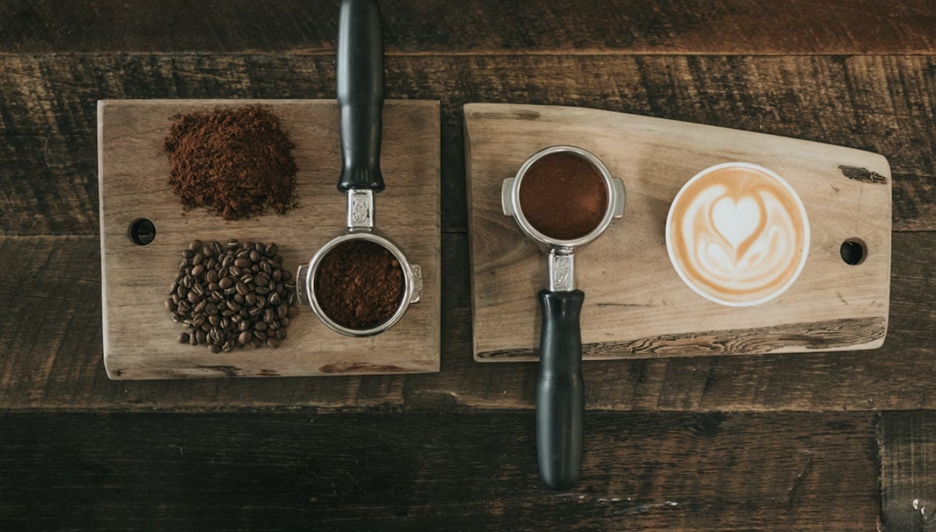

You may have heard coffee snobs scoffing at the very idea of pre-ground coffee, and singing the praises of freshly ground beans—which might have caused you to dismiss their arguments without so much as a second thought. Not so fast though: they might actually have a point! The difference between pre-ground and freshly ground isn’t a preference or a fad; it’s plain chemistry. Does this mean you should ditch that ground arabica you’ve purchased a week ago? Well… not exactly. Before making any rash judgements, let’s weigh up the pros and cons: is the argument against pre-ground coffee really that straightforward? Or is there a time and a place for everything, including a cup of pre-ground?
Ground Coffee: A Ticking Time Bomb?
Let’s talk science for a bit. The processes initiated the moment the beans are ground are well-known and accounted for. First, there’s oxidation. Think of an apple: as soon as it’s cut in half, it starts turning brown. That’s because its tender insides are now exposed to air—and coffee beans aren’t that different. Once you break down their protective structure, oxygen begins interacting with the flavour compounds inside, destroying more of them with each passing second. In fact, up to 60% of the aromas originally found in your coffee can succumb to oxygen in as little as 15 minutes! Even airtight packaging can only slow this process down: by the time you open your bag of pre-ground coffee, a significant portion of its initial flavours may have, quite literally, vanished into thin air already.



Next up is moisture. Most of those rich aromas you love so much are all down to coffee oils, which are water-soluble. That’s great news if you’re about to infuse your coffee grounds with water—not so great if the coffee’s been ground and interacting with moisture in the air for a while. The longer the coffee’s exposed, the more oils are destroyed, leading to a cuppa that’s much less flavourful overall.
And then there’s CO₂—a gas that plays a vital role in the taste of your coffee. The hard shell of a bean prevents CO₂ from seeping away too quickly; but as soon as it’s ground, most of the gas is released, leaving oxygen to take its place (and we already know that oxygen is bad news for coffee!).
So, is ground coffee a ticking time bomb?.. Well, that might be a bit of an overstatement. You could compare pre-ground coffee to a bubble that’s waiting to burst though. As soon as you break down the shell, the flavours are released—but if you muck about too long, you may very well lose them forever.
Why Is Pre-ground Coffee a Thing Then?
“If freshly ground beans are so superior, why is pre-ground coffee a thing then?..” Great question! The answer is, first and foremost, convenience. Having your coffee pre-ground is a great solution if, for example, you’re currently on the road (even the most passionate home baristas don’t lug their coffee machines around with them when they’re travelling, do they?). There’s a time and a place for everything when it comes to coffee, and something as vital as comfort is no exception.
Not all grinders are created equal, and that’s where pre-ground coffee has the upper hand too. To obtain a delicious cuppa, a consistent grind is key. It directly affects extraction: if some ground coffee particles are larger than others, the flavours aren’t extracted properly. Even seasoned connoisseurs agree that when it comes to choosing between pre-ground and inconsistently ground, the former’s the superior option—meaning there’s no shame in grabbing that bag with ground coffee in it!

Why Is a Coffee Grinder Still a Worthy Investment?
It’s settled then: ground coffee isn’t all bad at all. But why are freshly ground beans better? Experts agree that switching from pre-ground to whole bean is the biggest, and simplest, upgrade you can make. If you’re looking for more intense aromas and cleaner flavours, coffee grinders are the first thing you should browse through—coffee machines are great too, sure, but even they take a back seat here! You can brew yourself an outstanding cuppa with nothing but some freshly, consistently ground coffee and a French press; but if your coffee’s ground poorly, even the fanciest espresso machine won’t save it.

When it comes to coffee grinders, there’s plenty for everybody to choose from. Manual grinders may make you sweat at first, but they’re compact, affordable, and easy to get used to. Electric grinders are more consistent, and designed to make grinding effortless. And then there are coffee machines with grinders already built in… Whichever you go for, remember: a quality grinder doesn’t have to be expensive; all it has to be is consistent.
Turning the Daily Grind into a Daily Habit
If you decide to give freshly ground coffee beans a try, just focus on keeping it simple. Grinding beans doesn’t have to turn into a tedious task on your to-do list; it can be a pleasant daily habit, an easy and straightforward switch from scooping up a few spoonfuls to throwing some beans into your trusty grinder and enjoying the aroma for a while before you brew. After all, it’s all in the little things—and the little things called coffee beans can make a big difference as long as you treat them right.