










































































Isle of Wight residents are joining a ground-breaking clinical trial which could lead to a new screening programme for oesophageal cancer.
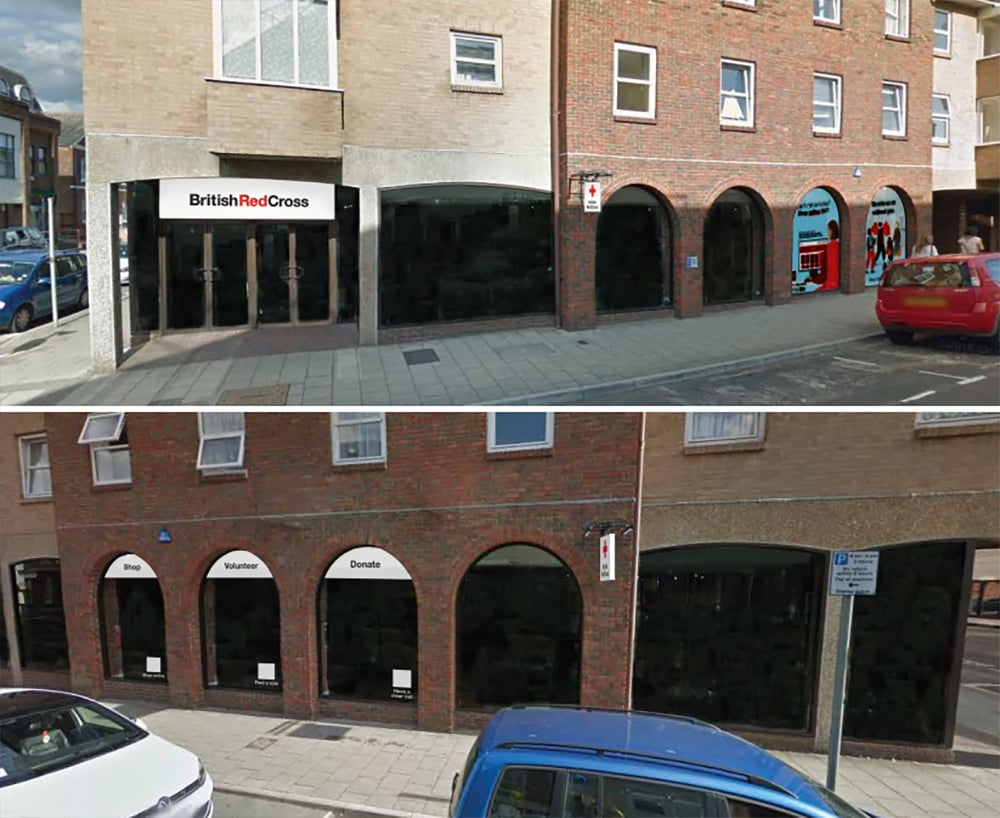
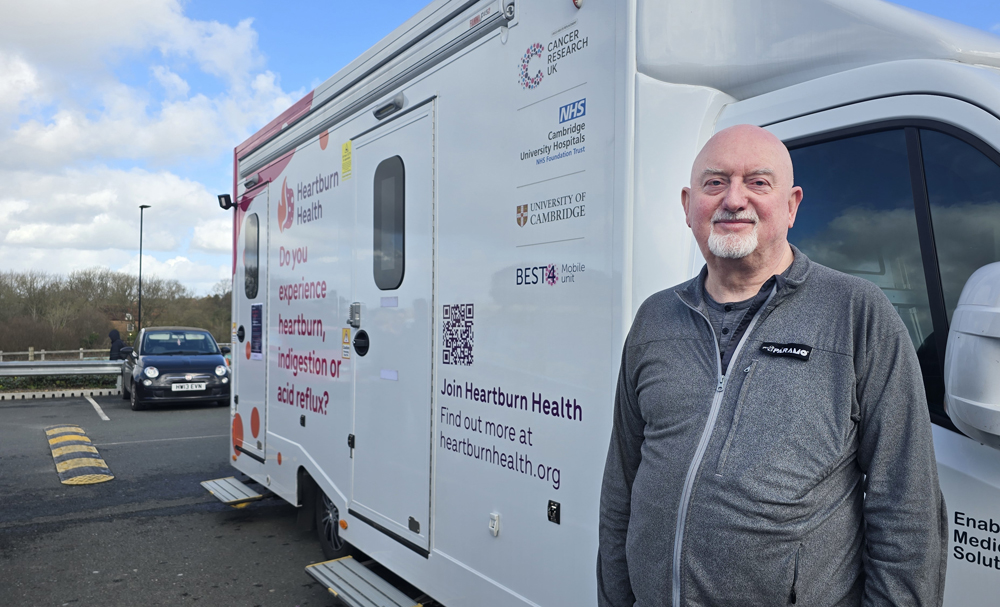
Patients have been visiting the BEST4 screening van at Newport’s Asda car park this week to find out if swallowing a ‘pill-on-a-thread’ could be used to screen people with heartburn for Barrett’s oesophagus – a condition that can lead to oesophageal cancer.
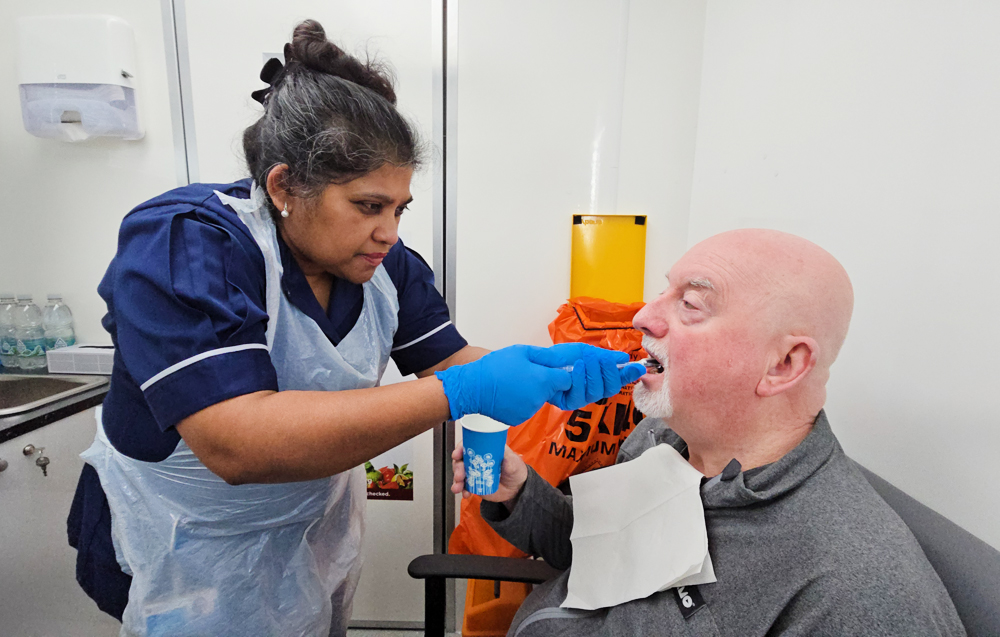
The capsule sponge starts off as a small, coated pill attached to a piece of thread. When a patient swallows the pill and it reaches the stomach, the coating dissolves and the sponge inside it expands to the size of a cherry tomato. The sponge collects cells from the oesophagus as it is gently pulled out from the stomach by a nurse or GP. The cells are then sent for testing for 2 proteins, which tell doctors if someone has Barrett’s oesophagus or oesophageal cancer.


Among those taking part is David Whistance, whose dad, Bertrand, passed away from oesophageal cancer.
David, an accountant from Freshwater, said:
“Like my dad, I’ve suffered heartburn and acid reflux for a long period of my life and have been taking medication to manage it since my twenties. I’ve often wondered if it could ever lead to cancer so I’m keen to take part in the trial to help researchers learn about the causes and mechanisms of oesophageal cancer and how to catch it early.
“When my dad was diagnosed, doctors discovered a six inch tumour on his oesophagus which had silently been growing for some time. He passed away a year after he was diagnosed.
“Having experienced unpleasant diagnostic procedures myself to test for other types of cancer, swallowing a pill on a thread seems like a pain-free way to help detect it and I was happy to take part in the trial.”
Article continues below this advertisement

The trial, backed by £6.4million of funding from Cancer Research UK and the National Institute for Health and Care Research (NIHR), will find out if the capsule sponge test can detect oesophageal cancers earlier, reduce the need for intensive treatments for, and prevent deaths from, the disease.
Following the initial rollout of the trial in Cambridgeshire in November 2024, mobile screening vans have arrived on the Isle of Wight. People aged 55 and over on the island received text messages from NHSresearch inviting them to join Heartburn Health, a revolutionary platform supporting clinical trials into cancers linked to heartburn. They were then randomly selected to participate in the BEST4 Screening trial.
Over the next 3 years, the trial aims to recruit 120,000 people who regularly take medication for heartburn. Heartburn is the most common symptom for Barrett’s oesophagus which is a precursor condition to oesophageal cancer, where cells in the food pipe start to grow abnormally.
Specialist Gastroenterologist at the Isle of Wight NHS Trust and principal investigator of the BEST4 Screening trial on the Isle of Wight, Dr Laima Alam, says:
“Oesophageal cancer is becoming more commonly recognised in the UK. Despite advances in treating the disease over recent years, only 1 in 5 people survive this cancer for 5 years or more.
“To turn the tide against this deadly cancer, we need to find those people who are at the greatest risk much earlier than we do now. This group includes people over the age of 55 with chronic heartburn. Current methods to diagnose Barrett’s oesophagus and oesophageal cancer are slow and require a hospital appointment for a camera test, which can be uncomfortable for patients.
“The capsule sponge test is much quicker, less expensive and can be delivered in the community. We hope that the BEST4 Screening trial will help us identify more people earlier and crucially reduce deaths from oesophageal cancer.”
The trial is open to men aged 55 to 79 and women aged 65 to 79 who have regular symptoms of heartburn, acid reflux, or indigestion, or who regularly use medication to manage these symptoms.
If you receive a text message from NHSresearch, you can click the link in the message to sign up. Otherwise, you can sign up through the Heartburn Health website at https://www.heartburnhealth.org/join-the-programme/.













Why stop at 79?