



























































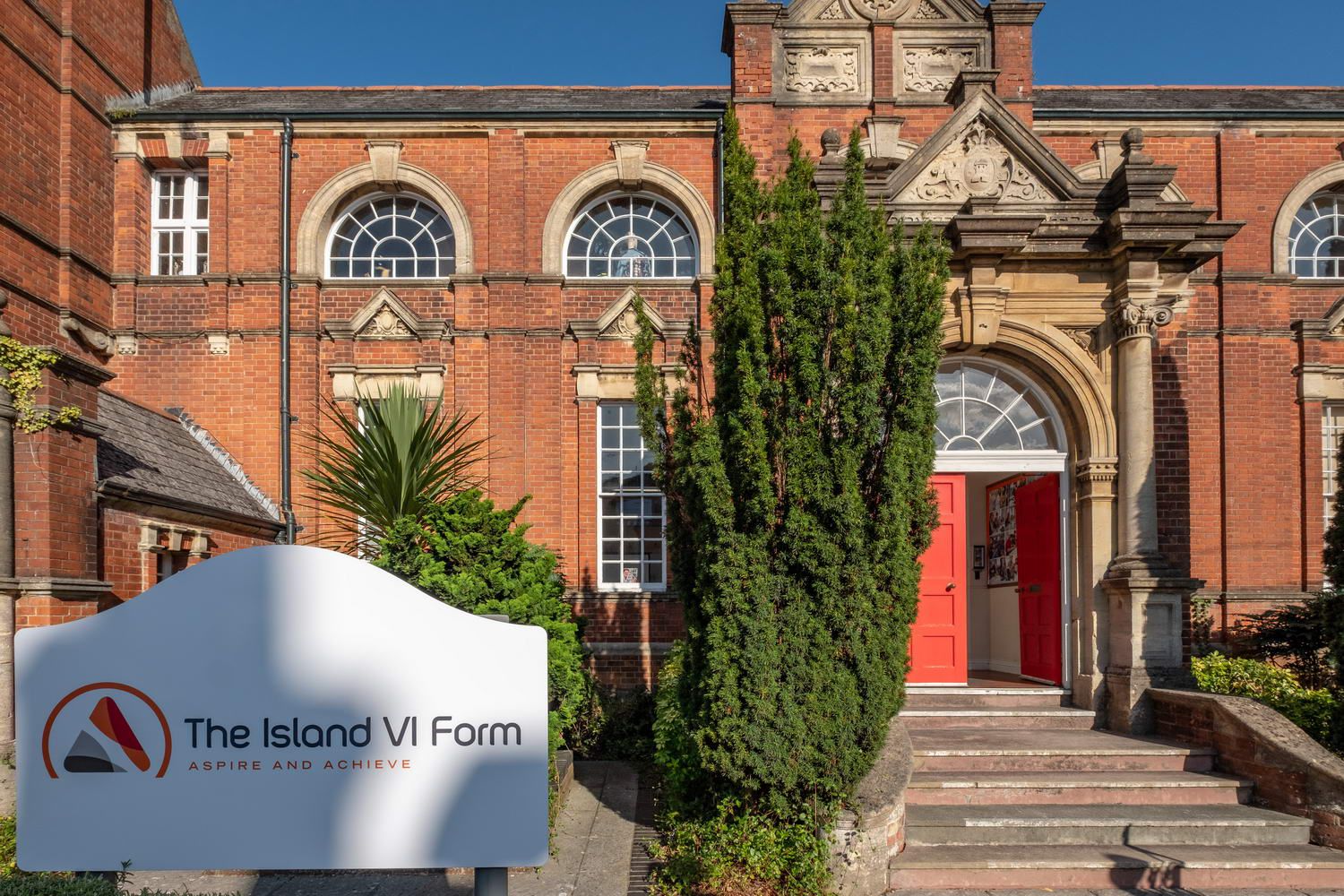
 The Isle of Wight Education Federation (IWEF) has announced it is consulting on merging its schools – Medina College, Carisbrooke College and The Island VI Form – with a Hampshire-based academy trust.
HISP MAT (Hampshire, Isle of Wight, Southampton and Portsmouth) consists of Thornden School in Chandler’s Ford and 2 Southampton-based primary schools: Portswood and Tanner’s Brook. There are also another 2 Secondary schools in Hampshire currently consulting about joining HISP MAT too.
During the past 12 months, Governors decided to explore ways to further secure the education offer that children have available to them through the Isle of Wight Education Federation schools. It was after careful consideration and analysis of many potential future pathways that HISP MAT was selected as the best route and fit.


IWEF says that HISP MAT provides the perfect balance of having a highly regarded region-wide school improvement network, providing high-quality staff development opportunities through their learning hubs, whilst supporting and encouraging the schools in their learning community to maintain their own curriculum and identity. HISP MAT’s vision and ethos is very closely aligned with that of the Federation.
It is unlikely the merger will happen much before November or December 2022, however, subject to agreements, the schools could start to work together before the legal work is completed. The schools will retain their individual names and uniforms.
Executive Headteacher of The Isle of Wight Education Federation, Matthew Parr-Burman, has said:
“We have come a very long way over the past four and a half years and are increasingly proud of the schools we have become and are developing into. We continue to focus on the delivery of education in the classroom and the wider experiences available can be even more dynamic and secure by joining with HISP MAT.
“The day to day operational leadership and staffing structures will remain unchanged. This new relationship creates exciting long term strategic stability in an increasingly challenging national education landscape”.
Article continues below this advertisement

Su Whelan, Chief Executive officer of HISP MAT has explained:
“I am really excited about the plans for IWEF to become part of HISP Multi Academy Trust. We share a similar outlook on education and believe that all children and young people deserve great opportunities within and from their schools.
“There are longstanding and trusted links between IWEF and HISP and as this partnership develops this will lead to great opportunities for staff, students and the communities that our schools work within”.
Cllr Cameron Palin, Vice-Chair of the Isle of Wight Green Party, has said:
“This news comes as a huge surprise to staff, students and the whole Isle of Wight community.
“Medina, Carisbrooke and The Island VI Form are all very popular schools, which are improving year upon year. They are some of the last schools left on the island that have not yet been academised, which has provided pupils and parents with an alternative to the corporate academy system.
“There are many questions about why the IWEF feel that this is a necessary move right now, and what the bigger consequences will be for the Federation and beyond. The loss of 3 large secondary school sites to the Isle of Wight Council will be considerable, and puts into question the future of local schools run by the local council.
“The Green Party are clear – the academisation of schools is an alarming move and must be resisted! A five week consultation period seems far too short for such an important decision to be made, something that will not only effect staff and pupils but the wider island community for generations to come.”

Peter Shreeve, Assistant District Secretary of the National Education Union, said:
“We understand all staff from the Carisbrooke, Medina and Nodehill site were informed and invited to a meeting on Monday 13 June. The NEU asked to be invited to listen to the meeting presentation as over the weekend it was felt the nature of the meeting was already causing anxiety amongst members. Permission to attend was not granted, although an offer has been made to meet at a later date, as yet unspecified.
“This is regrettable and a move away from past practice and experience, which has always involved an invitation to listen and comment on difficult developments, such as restructures and redundancy, before staff were informed. This type of transparency is always welcome and always ensures thorough debate and the best possible outcomes.
“Staff are obviously stunned at this announcement. They had no idea this was a potential move. They are even more surprised as they believe the Island Innovation Trust is popular with pupils and parents and oversubscribed.
“In the presentation, the employer tried to reassure staff by repeating “Nothing will change.” This failed to reassure many staff, especially those who have experience of other academies and have heard this mantra before.
“Another concern is the potential rapid timetable for change. How can all staff, all students and all parents fully and genuinely understand the implications within this time frame? This includes not just IIT itself, but the island education system as a whole.
“Looking at academisation as a whole and with an open mind, we find academisation does not improve schools in the way the recent white paper implies. It is costly in terms of time and money and incredibly divisive.
“Academisation is based on the damaging idea that increasing competition is the way to drive school improvement. Over the short consultation, it will be interesting to see responses, as all local parents, pupils and staff know: The Island experience fails to support this simplistic fallacy.”
Academy schools are state-funded schools with higher degrees of autonomy in governance, use of resources and curriculum. They receive funding directly from the DfE, as opposed to a local authority, and are run by an academy trust. They must follow the same rules on admissions, special educational needs and exclusions as other maintained schools and students sit the same exams.
The federation between Carisbrooke and Medina College, including the VI form, was formed under the Island Innovation Trust name in 2011 when the school structure of the Isle of Wight changed from 3-tier to 2-tier.
The consultation will run until 15:30 on Friday 15th July.










Cutting experienced staff is normally the first priority of an academy – as seen with both Ryde and Sandown, when they initially became academies. Clearly Sandown didn’t survive the transition to an academy and was just about saved!
Experienced or expensive? Ryde is a better school than it was 10 years ago. Better attendance, better grades, better buildings and more pupils.
In my day, a school is a school, calling it a fancy name should not and probably won’t make any difference…
In my day, going to an academy makes you a down bad simp with no maidens
Merging with Hampshire police and Fire brigade being such a rip roaring success why not pick on the education sector next”hands off Hampshire”our kids need their own schools not a mainframe nightmare
Could the state of secondary education on the island really get any worse than it already is now, I doubt it…
There are many questions about why the IWEF feel that this is a necessary move right now…
the most obvious question – who benefits financially?
answer – those individuals running the academies – they get to decide how they spend their money, from how much they pay teachers to how much they spend on classroom equipment.
take note of the “how much they pay teachers” part and then you will see clearly why this is such a great idea for the headmasters and teachers.
One big education factory, churning out little adults and putting profits first.