
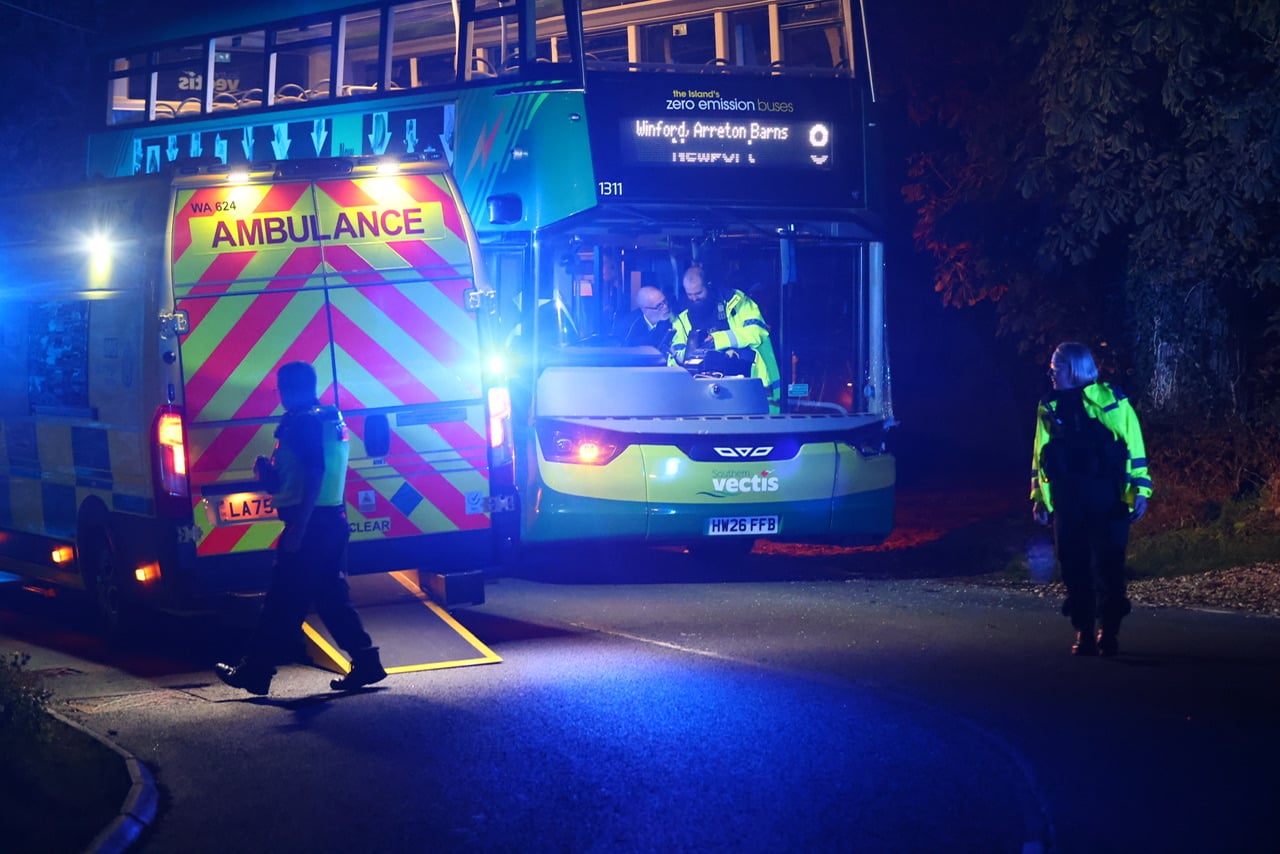







































 Private, mainland-based ambulances are now regularly being brought over to the Island to make up the shortfall of available ambulances here, Island Echo can reveal.
Over the past couple of weeks privately run services such as GB EMS and St John Ambulance have been responding to emergency calls on behalf of the Isle of Wight Ambulance Service. Whilst this is common practice amongst other NHS ambulance services in the country, the Isle of Wight Ambulance Service has previously not required the assistance of private firms and the Solent adds a natural barrier.
Ambulance resources are strategically deployed across the Island based on expected and past demand and taking account of any special circumstances. Depending on how busy the service expects to be, there will, at any particular time, be 4 to 6 emergency ambulances and 1 or 2 rapid response vehicles available.


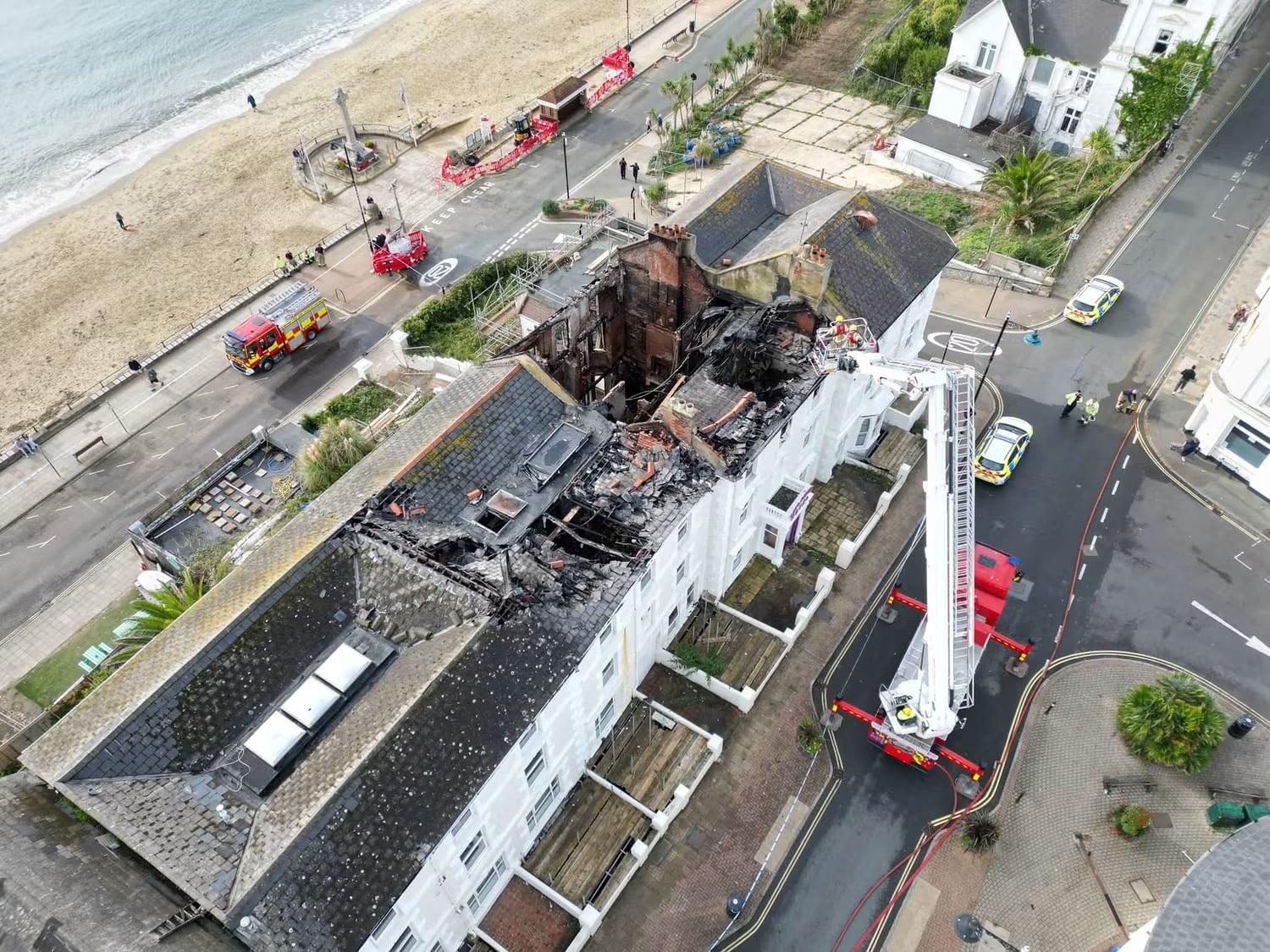
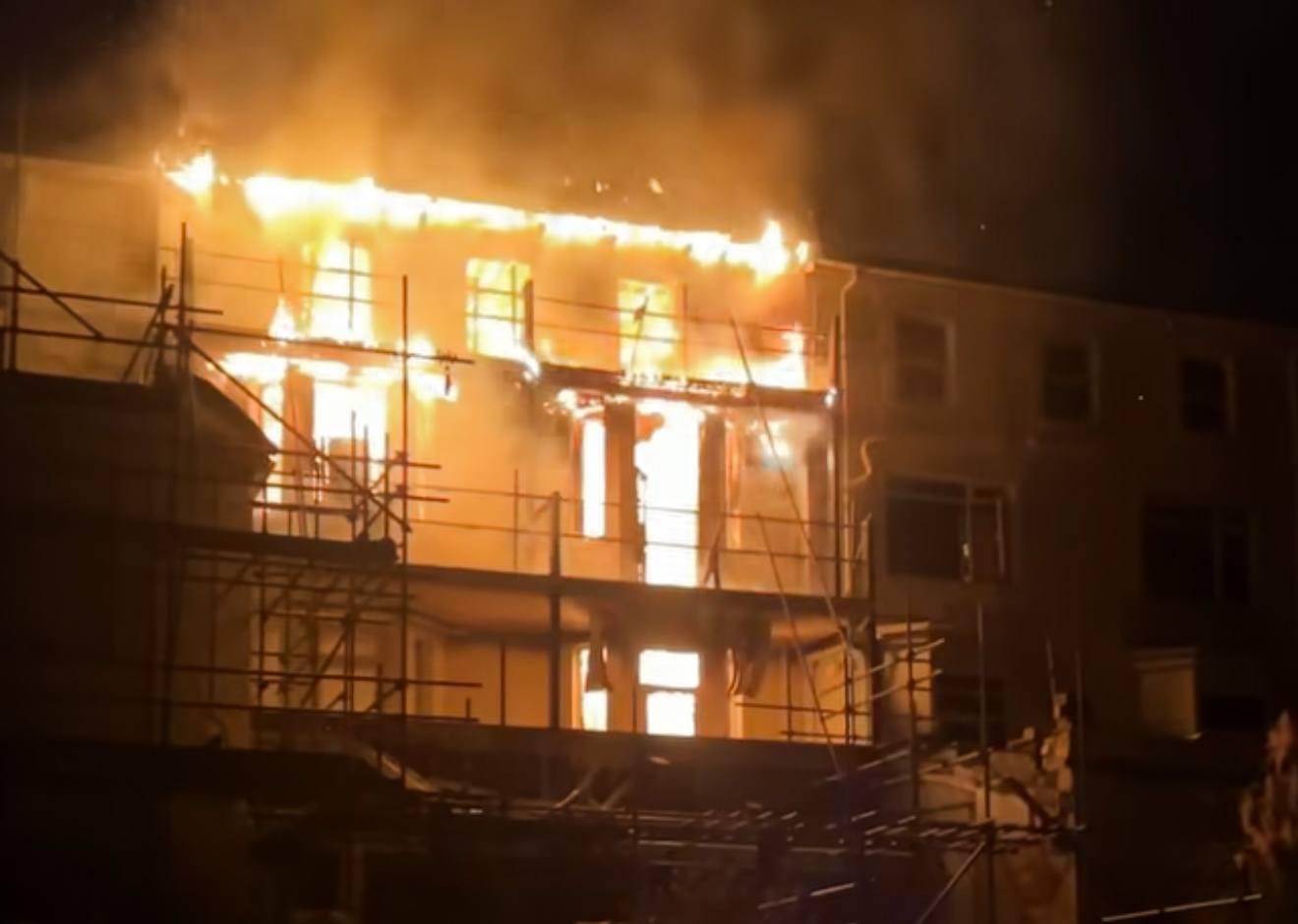
During the early hours of Saturday morning, a GB EMS ambulance attended the large fire in Shanklin alongside an ambulance officer and a rapid response paramedic. On separate occasions other private ambulance services have been seen across the Island, raising a question of the associated costs of this continued use of mainland resources and as to why the Island’s own ambulances cannot be crewed.
Island Echo has requested a breakdown of available resources on the night of the Shanklin fire and an explanation of the process of requesting mainland resources, but at the time of publishing the information had not been supplied.
A spokesperson for the Isle of Wight NHS Trust has said:
“The service works with a range of partners including the Police and Fire & Rescue Service and volunteers from organisations such as British Red Cross, St John Ambulance, RNLI, and independent lifeboats, IoW Search and Rescue and HM Coastguard.
“At times of pressure ambulance resources from the British Red Cross, St John Ambulance, mainland services (e.g. South Central Ambulance Service) and the private sector may be brought onto the Island to assist”.
Article continues below this advertisement

The spokesperson went on to say:
“It is important that everyone plays their part in using services appropriately and we have been encouraging Islanders to call the Island based NHS 111 advice line when there’s an urgent health care need but it’s not an emergency.
“So far this year – since April 2016 the NHS 111 service has taken over 64,000 calls of which 94% were answered within 60 seconds; over 37,000 have attended the Emergency Department and over 16,000 have attended the Urgent Care Service. There have been over 10,000 emergency admissions to St. Mary’s. There have also been over 15,000 emergency 999 calls for an emergency ambulance.
“According to nationally validated statistics published by the Association of Ambulance Chief Executives 50% of incidents on the Isle of Wight were attended by a health care professional on average within 4.23minutes (compared to 6 minutes nationally), 95% of incidents were attended within 17.23 minutes (compared to 19 minutes nationally) and 99% of incidents were reached within 23.4 minutes (compared to 34 minutes nationally)”.