

































































Consumer expectations around how they pay for goods and services have changed dramatically over the past few years. Across the UK, cash transactions have fallen significantly, and businesses that once relied on traditional payment methods are finding they need to adapt or risk losing customers. For Isle of Wight traders, this is both a challenge and an opportunity.
The island’s business community has long prided itself on personal service and community connection. But meeting customers where they are today increasingly means offering fast, flexible, and digital-first payment options, from contactless cards to mobile wallets and beyond.
How Digital Sectors Are Setting Standards
Some of the most instructive examples of flexible payment adoption come from entirely digital industries. Online sectors, including streaming platforms, subscription services, and digital marketplaces, have long built their user experiences around frictionless payment. One area that has particularly led the way is online gaming and casino platforms, which have pioneered multiple payment methods to build consumer trust and accessibility.


Resources like Gambling Insider show how this sector navigates evolving payment regulations and customer preferences. These sites offer digital payment flexibility, allowing users to deposit and withdraw using e-wallets, credit cards, and cryptocurrencies. This can drive consumer confidence further. The lesson for traditional retail is straightforward: offering choice reduces friction and builds loyalty.
Local Retailers Updating Payment Systems Now
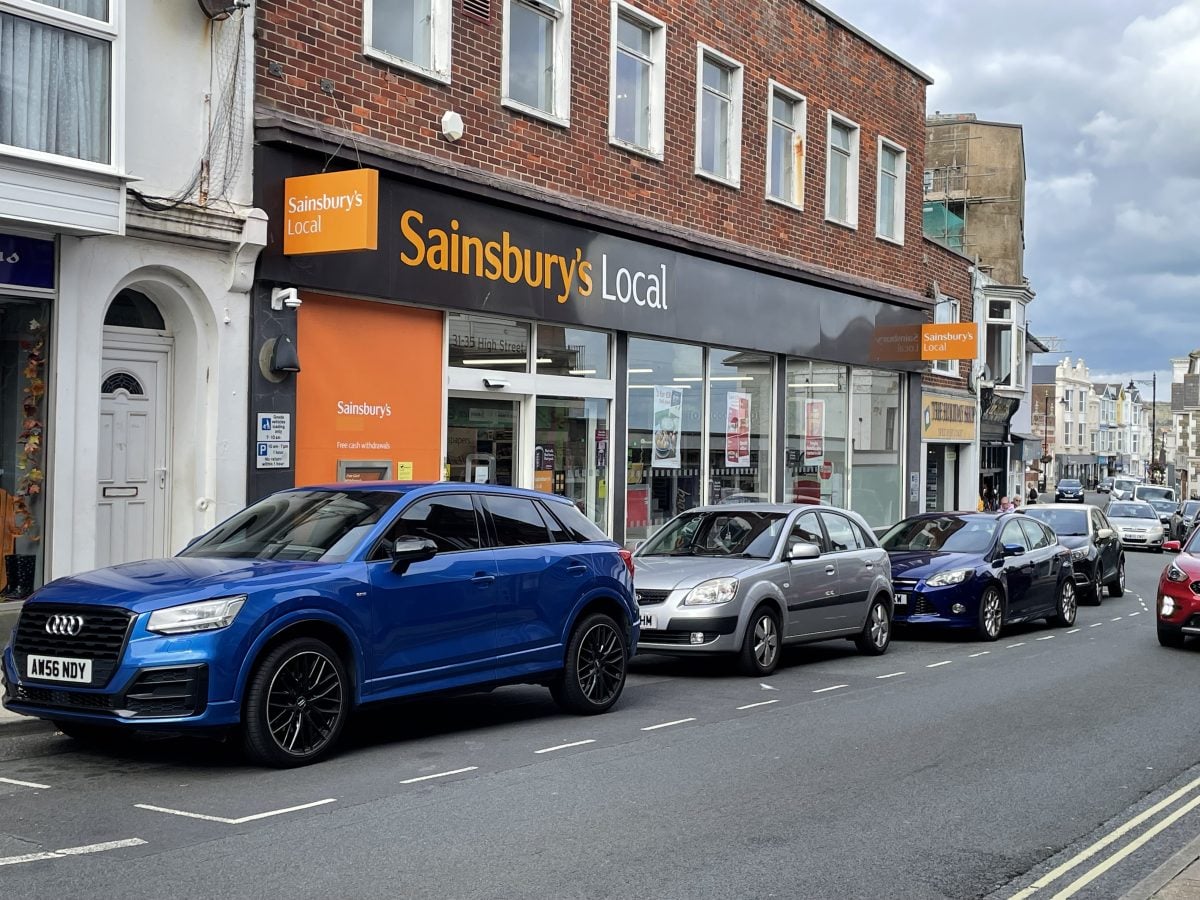
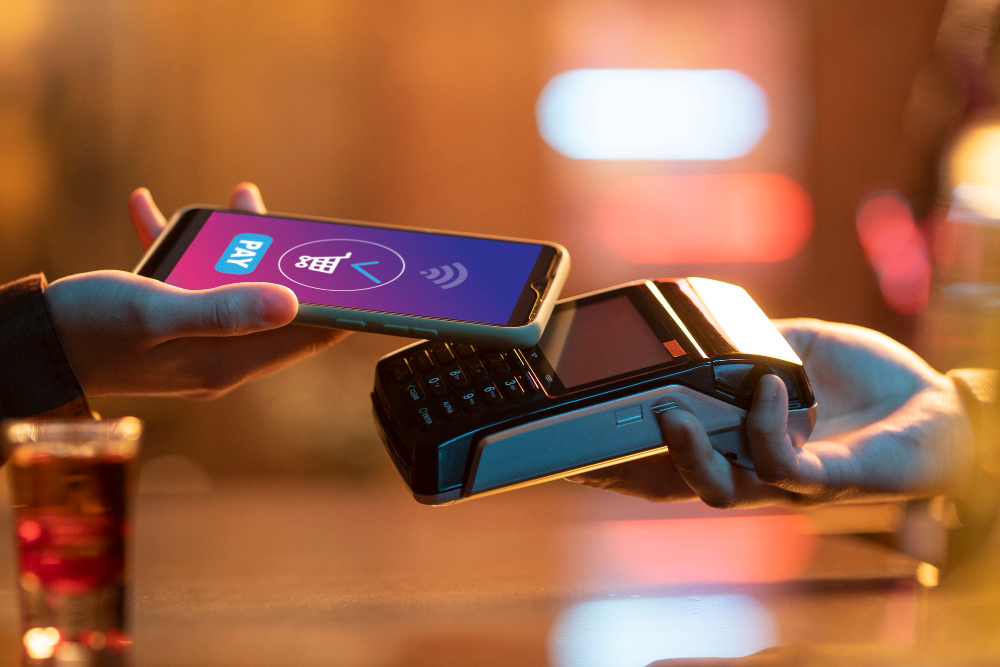
High streets and independent traders across the Isle of Wight are investing in updated point-of-sale technology. Smartphone-based card readers and tablet payment systems have made it far easier for small businesses to accept card payments without high upfront costs.
This accessibility matters. In 2024, contactless debit and credit card payment volumes across the UK totalled 18.9 billion, up from 18.3 billion the previous year, driven largely by increased acceptance among smaller businesses. For independent retailers on the island, keeping pace with that national trend is becoming less optional and more essential.
Why Customers Expect More Payment Choices
Today’s consumers, particularly Gen Z shoppers, expect easier payment experiences wherever they spend. Waiting for a card machine to connect or being told a business is “cash only” can be enough to lose a sale permanently. Convenience has become a baseline expectation, not a bonus feature.
Cash use is declining sharply across Britain, and the trajectory is clear. The UK payment gateway market is projected to grow from £6 billion in 2023 to over £11 billion by 2030, reflecting a broad structural change towards digital payment reliance among businesses of all sizes. Isle of Wight businesses ignoring this direction risk falling behind the mainland curve.

Isle of Wight Businesses Making the Shift
Encouragingly, there are signs that Isle of Wight businesses are already moving in the right direction. From hospitality venues in Cowes to independent shops in Ryde, many traders have upgraded their payment infrastructure in recent years. Digital transformation is no longer just a mainland priority.
Faster Payments technology is also gaining traction among business-to-business transactions on the island. During 2024, 50% of all payments made by UK businesses used Faster Payments, making it the dominant method for commercial transactions nationwide. As awareness grows, Isle of Wight enterprises are beginning to harness these tools to improve cash flow and operational efficiency. The businesses that embrace this shift now are the ones best positioned to serve the island’s residents and visitors well into the future.